
AI
Konversky: The Emerging Digital Strategy Reshaping Innovation and Business Growth


The digital economy has entered a phase where adaptability matters more than sheer scale. Businesses can no longer rely solely on traditional growth models or outdated operational systems to stay competitive. Markets shift rapidly, customer expectations evolve constantly, and technological disruption arrives faster than many organizations can respond. In this environment, concepts that emphasize flexibility, integration, and intelligent communication naturally attract attention. Konversky is becoming one of those emerging ideas influencing conversations around digital transformation and modern business strategy.
For startup founders, entrepreneurs, and tech professionals, konversky represents more than an abstract digital term. It reflects a broader movement toward connected ecosystems, streamlined operations, and scalable innovation. Companies are increasingly searching for systems that simplify complexity while supporting rapid growth in highly competitive online markets.
The rise of concepts like konversky highlights an important truth about modern business. Technology alone is no longer enough. Organizations must create experiences, workflows, and infrastructures capable of evolving continuously alongside changing customer behavior and market conditions.
Understanding the growing relevance of konversky provides valuable insight into the future of digital business and innovation.
The Digital Shift Behind Konversky
Over the last decade, digital transformation has changed nearly every aspect of how businesses operate. Companies now rely on cloud infrastructure, automation tools, remote collaboration systems, analytics platforms, and AI-driven processes to maintain competitiveness.
While these technologies have created enormous opportunities, they have also introduced significant operational complexity. Many businesses now manage dozens of disconnected platforms simultaneously. Communication becomes fragmented, workflows slow down, and customer experiences lose consistency.
Konversky reflects the increasing demand for more unified digital ecosystems. Businesses are beginning to understand that operational clarity is just as important as technical capability.
In earlier stages of digital adoption, organizations focused primarily on acquiring new technologies. Today, the focus has shifted toward integration and usability. Companies want systems that work together seamlessly rather than isolated tools that require constant coordination.
This shift is influencing everything from software development to leadership strategy. Businesses are prioritizing platforms and operational models capable of adapting quickly without creating unnecessary friction.
Konversky symbolizes this transition toward smarter and more connected digital environments.
Why Startup Founders Are Paying Attention to Konversky
Startups operate in conditions where speed and efficiency can determine survival. Founders must launch products quickly, manage limited resources carefully, and respond to changing market conditions in real time.
Traditional business structures often struggle in this environment because they rely on slower decision-making processes and rigid operational systems. Modern startups require flexibility from the beginning.
Konversky resonates strongly with entrepreneurial culture because it aligns with the principles of agile innovation and lean scalability. Startup founders today prioritize adaptability over bureaucracy. They build businesses designed to evolve continuously rather than remain fixed within predefined structures.
This approach has become increasingly important in the digital economy. Consumer behavior changes rapidly, online competition intensifies constantly, and trends can reshape entire industries almost overnight.
Founders therefore focus on creating connected ecosystems where communication, analytics, and workflows function cohesively. The goal is not simply growth but sustainable and intelligent growth.
Konversky reflects this modern startup mindset by emphasizing operational integration, strategic adaptability, and streamlined collaboration.
The startup world has also become far more global. Businesses now launch with distributed teams, international customer bases, and cloud-native infrastructures from day one. Concepts centered on connectivity and flexibility naturally gain traction in such environments.
Konversky and the Rise of Intelligent Communication
Communication has become one of the most valuable assets in modern business. Companies today interact with customers across websites, messaging platforms, social media channels, and digital marketplaces simultaneously.
At the same time, internal communication has grown increasingly complex due to remote work and globally distributed teams. Businesses that fail to maintain clarity often experience delays, inefficiencies, and operational confusion.
Konversky reflects the growing importance of intelligent communication systems within digital ecosystems. Organizations are moving away from fragmented communication structures toward integrated environments where information flows smoothly across teams and platforms.
This transformation is about more than convenience. Communication efficiency directly affects productivity, customer experience, and strategic decision-making.
Consumers expect immediate responses and consistent interactions regardless of the channel they use. Employees need collaboration systems that reduce friction rather than create additional administrative burdens.
Businesses capable of building seamless communication ecosystems often gain stronger operational resilience and higher customer trust.
The following table highlights how modern organizations are evolving from fragmented communication structures toward integrated digital ecosystems inspired by concepts like konversky.
| Business Area | Traditional Systems | Konversky-Style Ecosystems |
|---|---|---|
| Communication | Disconnected channels | Unified collaboration platforms |
| Workflow Management | Manual coordination | Automated process integration |
| Customer Engagement | Inconsistent experiences | Personalized interactions |
| Data Accessibility | Delayed reporting | Real-time insights |
| Organizational Agility | Rigid structures | Flexible adaptive systems |
This movement toward connected communication is becoming one of the defining trends of modern digital business strategy.
Simplicity as a Competitive Advantage
One of the most surprising shifts in technology is the increasing value of simplicity. As digital systems become more advanced, users expect experiences that feel more intuitive and effortless.
Konversky aligns closely with this movement toward operational simplicity. Businesses are realizing that complexity often reduces efficiency rather than improving it.
Employees waste time navigating disconnected platforms. Customers become frustrated by confusing interfaces and inconsistent experiences. Leadership teams struggle when operational data is scattered across multiple systems.
The most successful digital companies today focus heavily on reducing friction. They create ecosystems where workflows feel seamless and interactions happen naturally.
This principle extends across industries. Whether businesses operate in software development, ecommerce, media, or cloud services, simplicity improves scalability and customer retention.
Importantly, simplicity does not mean limited functionality. In many cases, simplifying operations requires sophisticated infrastructure and strategic design.
Konversky reflects this balance between technological capability and user-centered efficiency. It suggests that modern innovation should prioritize clarity as much as technical advancement.
Konversky and the Evolution of Digital Leadership
Technology is changing not only systems but also leadership itself. Traditional management models built around rigid hierarchies are becoming less effective in fast-moving digital environments.
Modern organizations require leaders capable of navigating uncertainty, encouraging collaboration, and responding quickly to change. Konversky reflects this broader evolution in leadership philosophy.
Remote work has accelerated the need for adaptive communication systems and decentralized decision-making. Companies can no longer depend entirely on centralized office environments for coordination and productivity.
Instead, leadership now focuses heavily on creating ecosystems that support transparency, collaboration, and strategic alignment across distributed teams.
Businesses that embrace flexible operational models often respond more effectively to technological disruption and market volatility.
Konversky symbolizes this shift toward leadership strategies built around responsiveness rather than control. Successful organizations increasingly empower teams to innovate quickly while maintaining connected workflows and shared objectives.
The companies that thrive in the coming years will likely be those capable of balancing adaptability with operational clarity.
The Role of Data and Automation in Konversky
Data-driven decision-making has become central to modern business strategy. Companies rely on analytics to understand customer behavior, optimize operations, and identify emerging opportunities.
However, data alone is not enough. Businesses need systems capable of transforming information into actionable insights quickly and efficiently.
Konversky aligns with the growing emphasis on intelligent automation and connected analytics ecosystems. Artificial intelligence and machine learning are already reshaping how organizations manage workflows, customer engagement, and operational strategy.
Modern businesses increasingly integrate automation directly into core operations. Instead of relying on isolated tools, they create environments where communication, analytics, and workflows interact dynamically.
This level of integration improves agility significantly. Companies can respond faster to customer needs, market trends, and operational challenges.
Automation also reduces repetitive administrative work, allowing teams to focus more on innovation and strategic thinking.
Konversky reflects this transition toward digitally intelligent ecosystems capable of adapting continuously in real time.
The Future Outlook for Konversky
The future of business will likely revolve around connected ecosystems that combine automation, communication, and human-centered design into unified operational frameworks.
Konversky appears closely aligned with these long-term trends. As industries continue evolving, businesses will place even greater emphasis on scalability, flexibility, and integrated digital infrastructure.
Artificial intelligence will likely play an increasingly important role in shaping these ecosystems. Predictive analytics, adaptive workflows, and personalized customer experiences are becoming standard expectations rather than optional features.
At the same time, companies must remain focused on usability. Technology only creates value when it improves real-world experiences for employees and customers alike.
Businesses capable of balancing innovation with simplicity will likely lead the next generation of digital transformation.
Konversky reflects this broader understanding that sustainable growth depends on more than technical advancement alone. It requires connected thinking, operational clarity, and systems designed to evolve continuously alongside changing market conditions.
Conclusion
The emergence of konversky highlights a larger transformation taking place across the digital economy. Businesses are moving beyond fragmented systems and rigid operational structures toward integrated ecosystems built around adaptability, communication, and intelligent scalability.
For startups, entrepreneurs, and technology professionals, konversky represents a shift toward smarter digital strategy. It reflects the growing importance of creating connected infrastructures that simplify complexity while supporting continuous innovation.
As digital transformation accelerates across industries, organizations capable of combining flexibility, automation, and human-centered design will likely define the future of business growth. Konversky symbolizes this evolution, offering a compelling vision of how modern companies can thrive in an increasingly connected world.

In today’s design-driven world, flooring is no longer just a background feature. It influences comfort, productivity, aesthetics, and even sustainability. Among the many flooring solutions available, wollmatten have quietly become a preferred option for modern businesses, startups, and homeowners looking for a blend of durability, elegance, and functionality. While traditional carpets and synthetic mats still dominate many commercial spaces, the renewed interest in natural materials has pushed wollmatten into the spotlight.
From creative startup offices to minimalist apartments and high-traffic professional environments, wollmatten offer a practical yet refined flooring solution that aligns with modern expectations. Their appeal goes beyond visual design. They support healthier indoor environments, provide excellent insulation, and contribute to sustainable living practices. As businesses and consumers increasingly prioritize eco-conscious decisions, these mats are gaining recognition for all the right reasons.
Understanding Wollmatten in Modern Design
The term “wollmatten” refers to mats or floor coverings made primarily from wool. Wool has been used for centuries because of its durability, natural softness, and insulating properties. However, today’s wollmatten are not simply traditional wool rugs reintroduced into the market. Modern manufacturing techniques have transformed them into highly adaptable products suitable for residential, commercial, and corporate use.
What makes wollmatten particularly appealing is their ability to combine luxury with practicality. Unlike many synthetic alternatives, wool fibers naturally resist dirt and moisture. This means less maintenance over time and a longer product lifespan. In busy startup offices where employees move constantly between collaborative spaces, durability matters just as much as appearance.
At the same time, the tactile comfort of wool creates a more inviting atmosphere. Companies that invest heavily in workplace culture understand that physical environments influence employee wellbeing. A workspace that feels warm and comfortable often promotes creativity, focus, and engagement.
Why Startups and Entrepreneurs Are Choosing Wollmatten
Modern startups rarely follow the cold corporate design trends of the past. Open layouts, flexible workspaces, and employee-centric interiors have become standard. In this environment, flooring plays a surprisingly important role.
Wollmatten contribute to acoustic balance by absorbing sound more effectively than hard flooring materials. In open offices where video calls, brainstorming sessions, and collaborative work happen simultaneously, noise reduction is essential. A quieter environment supports concentration and reduces workplace fatigue.
Another reason entrepreneurs are embracing wollmatten is sustainability. Many startups build their brand identity around environmentally responsible practices. Wool is biodegradable, renewable, and naturally sourced, making it an attractive alternative to petroleum-based synthetic flooring materials.
The aesthetic versatility of wollmatten also appeals to modern businesses. They fit seamlessly into Scandinavian interiors, industrial office spaces, contemporary homes, and boutique commercial settings. Whether a company wants a minimalist atmosphere or a more luxurious look, wool-based mats adapt naturally to different design languages.
The Sustainability Advantage of Wollmatten
Sustainability is no longer a niche concern. Investors, consumers, and employees increasingly expect companies to demonstrate environmental responsibility. This shift has changed purchasing decisions across industries, including interior design and office furnishings.
Wool is one of the most sustainable natural fibers available. Sheep produce new fleece every year, making wool a renewable resource. Unlike synthetic materials that may take centuries to decompose, wool biodegrades naturally over time.
The environmental advantages of wollmatten extend beyond biodegradability. Wool production generally requires less energy compared to manufacturing petroleum-based synthetic flooring. Additionally, wool naturally regulates humidity and improves indoor air quality by trapping dust particles until they can be vacuumed away.
Here is a simple comparison of wool mats versus synthetic flooring options:
| Feature | Wollmatten | Synthetic Mats |
| Material Source | Natural wool fibers | Petroleum-based materials |
| Biodegradable | Yes | Usually no |
| Air Quality Benefits | Excellent | Limited |
| Noise Reduction | High | Moderate |
| Durability | Long-lasting | Varies |
| Moisture Resistance | Natural resistance | Chemical treatment required |
| Sustainability | Renewable resource | Non-renewable |
For companies aiming to meet environmental, social, and governance goals, investing in sustainable interior materials can reinforce broader brand values.
Wollmatten and Workplace Productivity
Workspace design has become a serious business strategy. Tech companies and startups spend millions optimizing office environments because physical spaces directly impact performance.
One overlooked factor is thermal comfort. Wool naturally regulates temperature, helping rooms feel warmer during colder months and more balanced during warmer seasons. This contributes to employee comfort without relying entirely on artificial climate control systems.
Comfortable flooring also affects physical wellbeing. Hard surfaces can contribute to fatigue during long working hours, especially in collaborative environments where employees frequently stand or move around. Wollmatten provide cushioning that improves comfort underfoot while maintaining a professional appearance.
Psychologically, natural textures create a calming atmosphere. Research in workplace design consistently shows that natural materials help reduce stress and support mental clarity. In high-pressure startup cultures, subtle environmental improvements can significantly influence morale and productivity.
Choosing the Right Wollmatten for Different Spaces
Not all wollmatten are designed for the same purpose. Choosing the right option depends on traffic levels, design goals, and maintenance expectations.
For startup offices and coworking spaces, dense woven wool mats are often ideal because they withstand heavy daily use. These mats maintain their shape over time and resist flattening better than many alternatives.
In residential settings, softer and thicker wool mats create warmth and comfort in living rooms or bedrooms. Home offices also benefit from wool flooring because of its sound absorption qualities, especially for remote professionals who spend hours on video calls.
Commercial hospitality spaces, such as boutique hotels or creative studios, often select custom-designed wollmatten to strengthen brand identity. The natural elegance of wool creates a premium atmosphere that guests immediately notice.
Color selection also matters. Neutral tones such as charcoal, beige, and soft gray remain popular because they complement modern interior styles while hiding dirt effectively. However, bold accent colors can add personality and visual contrast in creative workspaces.
Maintenance and Longevity
One of the biggest misconceptions about wool products is that they are difficult to maintain. In reality, wollmatten are surprisingly practical when properly cared for.
Wool fibers naturally repel dirt because of their microscopic structure. Dust and debris tend to remain near the surface rather than penetrating deeply into the material. Regular vacuuming is often enough to maintain appearance and cleanliness.
Another advantage is resilience. Wool fibers can bend thousands of times without breaking, allowing wollmatten to retain their shape even in high-traffic areas. Synthetic materials often flatten permanently after prolonged use, while wool tends to recover more naturally.
For businesses, this translates into long-term cost efficiency. Although wool mats may require a higher initial investment, their durability often reduces replacement frequency over time.
Professional cleaning every few years can further extend lifespan, especially in commercial environments. With proper maintenance, high-quality wollmatten can remain attractive for decades.
The Growing Popularity of Natural Materials
The rise of wollmatten reflects a broader shift in consumer preferences. People increasingly value authenticity, craftsmanship, and sustainability over mass-produced synthetic products.
This trend is particularly visible among younger entrepreneurs and digital professionals who prioritize intentional design choices. Modern consumers often see office spaces and homes as extensions of personal identity. As a result, materials that communicate environmental awareness and thoughtful design hold greater cultural value.
Social media and digital design platforms have also accelerated interest in natural interiors. Scandinavian-inspired aesthetics, biophilic design, and minimalist architecture frequently feature wool-based textures because they create warmth without visual clutter.
The popularity of remote work has further increased attention to interior quality. Professionals spending more time at home now invest in environments that support comfort, productivity, and mental well-being. Wollmatten align perfectly with these priorities.
How Wollmatten Supports Brand Identity
For businesses, interior design is not merely decorative. It communicates brand personality and values to employees, clients, and investors.
A thoughtfully designed office with natural materials sends a different message than a generic corporate space filled with synthetic surfaces. Wollmatten help create an environment that feels sophisticated, sustainable, and people-focused.
Creative agencies, wellness brands, technology startups, and environmentally conscious companies often use interior choices to reinforce their positioning. Even subtle design elements influence how visitors perceive professionalism and innovation.
Clients entering a workspace with carefully selected textures, comfortable acoustics, and warm natural materials immediately experience a sense of quality. In competitive industries, these impressions matter more than many companies realize.
Conclusion
Wollmatten are far more than simple floor coverings. They represent a modern approach to design that values sustainability, comfort, functionality, and aesthetics equally. As startups, entrepreneurs, and digital professionals continue redefining how workspaces and homes should feel, wool-based flooring solutions are becoming increasingly relevant.
Their ability to improve acoustics, support environmental goals, enhance comfort, and elevate interior design makes them an intelligent investment for both residential and commercial spaces. In an era where every design choice contributes to brand perception and personal well-being, Wollmatten offers a rare combination of practicality and sophistication.
Whether used in a creative office, a minimalist apartment, or a collaborative coworking hub, Wollmatten demonstrates how natural materials can meet the demands of modern living while creating spaces that feel genuinely human.
Meta Description (150 characters):
Discover how Wollmatten enhances modern spaces with sustainability, comfort, durability, and stylish functionality for homes and offices.

History often celebrates bold visionaries, entertainers, and entrepreneurs who change the world with larger-than-life personalities. Yet behind many of these public figures stands someone whose influence is quieter, steadier, and just as important. Charity Hallett was one of those people. While the world remembers P. T. Barnum as the legendary showman and founder of the Barnum & Bailey Circus, far fewer people know the story of the woman who supported him long before the fame arrived.
Charity Hallett lived during a time when women rarely received public recognition for their contributions, especially if those contributions happened inside the home. Still, her life offers valuable insight into resilience, loyalty, emotional intelligence, and the unseen labor that often fuels great success stories. In an era obsessed with visibility and personal branding, her story feels surprisingly relevant for modern entrepreneurs and startup founders who understand that sustainable success rarely happens alone.
Who Was Charity Hallett?
Charity Hallett was born in Bethel, Connecticut, in 1808. She grew up in a modest environment shaped by hard work, discipline, and traditional values. Before marrying Barnum, she worked as a seamstress, a profession that required patience, precision, and persistence. Those qualities would later define much of her personal life.
She married Phineas Taylor Barnum in 1829, years before he became one of the most recognizable names in entertainment history. At the time, Barnum was ambitious but financially unstable, constantly chasing opportunities and experimenting with unconventional business ideas. The marriage began not in luxury, but in uncertainty.
That context matters because many people associate successful entrepreneurs with instant confidence and inevitable victory. The reality is often much messier. Barnum faced debt, failed ventures, and criticism early in his career. Charity Hallett experienced all of it beside him.
Rather than existing as a passive historical figure, she represented stability during chaos. Her presence allowed Barnum to continue taking risks while maintaining a foundation at home.
The Entrepreneurial Reality Behind the Barnum Name
Today, startup culture glorifies founders who sacrifice everything to pursue bold visions. Long working hours, financial insecurity, public skepticism, and constant pressure are treated almost like badges of honor. In many ways, Barnum’s life mirrored that modern entrepreneurial cycle.
Before he became a global entertainment icon, Barnum struggled with failed businesses and inconsistent income streams. He experimented with publishing, retail, public exhibitions, and performance ventures. Some ideas succeeded temporarily, while others collapsed quickly.
During those uncertain years, Charity Hallett managed the realities of domestic life. She raised children, maintained the household, and created emotional consistency while her husband pursued increasingly risky ventures.
The contrast between public ambition and private sacrifice is important to understand.
| Aspect of Barnum’s Public Life | Charity Hallett’s Private Role |
| Constant business experimentation | Maintaining household stability |
| Public attention and controversy | Protecting family structure |
| Financial risk-taking | Managing practical realities |
| Expanding entertainment empire | Supporting emotional resilience |
| Travel and networking | Raising children and preserving routine |
This dynamic still exists today. Many founders build companies with the invisible support of spouses, partners, or family members whose contributions rarely appear in headlines or investor presentations.
Charity Hallett and the Emotional Cost of Ambition
One of the least discussed aspects of entrepreneurship is emotional strain. Public success stories often ignore the psychological pressure carried by families behind the scenes. Charity Hallett lived through that pressure continuously.
Barnum’s career was unpredictable by nature. His reputation depended on spectacle, controversy, and public fascination. He constantly pursued new ideas and opportunities, which meant instability followed the family throughout much of their marriage.
For Charity, that uncertainty became part of daily life.
She also experienced personal tragedy. The couple had four daughters, but one child died at a young age. Grief during the nineteenth century was deeply personal and often endured without modern emotional support systems. Despite these hardships, historical descriptions of Charity consistently portray her as calm, grounded, and devoted to her family.
That emotional steadiness likely mattered more than historians fully acknowledge.
Modern business leaders increasingly recognize emotional resilience as a critical component of long-term success. Founders cannot operate effectively without some form of psychological grounding. In Barnum’s case, Charity Hallett appears to have provided much of that foundation.
A Life Far From the Spotlight
Unlike many spouses connected to powerful public figures today, Charity Hallett avoided publicity almost entirely. She did not seek influence, interviews, or social visibility. She lived privately even as her husband became internationally famous.
That contrast reveals something fascinating about changing cultural values.
Modern society often measures importance through online presence, public recognition, and personal branding. Charity Hallett’s life reminds us that influence does not always require visibility. Some of the most meaningful contributions happen quietly through consistency, reliability, and support.
For entrepreneurs and startup teams, this lesson carries real relevance.
Not every valuable person inside a company is the loudest voice in the room. Some individuals create impact through operational discipline, emotional intelligence, strategic thinking, or cultural stability rather than public attention.
Charity Hallett embodied that quieter form of influence.
The Human Side of P. T. Barnum
- T. Barnum is often remembered as a master marketer, entertainer, and promoter. His genius for publicity helped shape modern advertising and entertainment industries. Yet focusing only on his professional achievements creates an incomplete picture.
Barnum’s personal life mattered because it influenced his ability to continue operating under intense pressure.
Ambitious founders frequently depend on trusted relationships to sustain momentum during difficult periods. Emotional trust allows risk-taking to become psychologically manageable. Without that support system, even talented entrepreneurs can burn out or collapse under pressure.
Charity Hallett offered Barnum something the public could not provide: stability without performance.
He did not need to sell an image at home. He did not need audiences, applause, or publicity. In many ways, that private environment likely helped preserve his ability to function publicly.
Modern startup culture increasingly acknowledges this dynamic. Investors and leadership coaches now discuss founder well-being, work-life balance, emotional sustainability, and relationship health as legitimate business concerns. Charity Hallett’s story reflects those same realities long before such conversations became mainstream.
Why Charity Hallett’s Story Still Matters Today
At first glance, Charity Hallett may seem like a purely historical figure connected to nineteenth-century American entertainment. But her story speaks directly to modern professional culture.
Today’s business world moves at extraordinary speed. Founders are encouraged to scale aggressively, stay constantly visible online, and build personal brands alongside companies. The pressure to appear successful can become overwhelming.
Against that backdrop, Charity Hallett represents something increasingly rare: grounded support without performance.
Her story reminds readers that sustainable success usually depends on relationships built on trust, patience, and emotional endurance. Those qualities are not flashy, but they are essential.
This perspective also challenges modern assumptions about achievement. Public recognition often focuses on the individual at the center of attention while ignoring the network of support surrounding them.
Behind nearly every successful entrepreneur exists an ecosystem of people contributing in different ways. Some offer strategic guidance. Others provide operational execution. Some contribute emotional stability and personal sacrifice.
Charity Hallett belonged to that final category.
Lessons for Modern Entrepreneurs and Leaders
There are several practical lessons modern professionals can take from Charity Hallett’s story.
First, emotional support is not separate from business success. It directly affects decision-making, resilience, and long-term sustainability. Founders who neglect personal relationships often struggle to maintain balance under pressure.
Second, visibility should not be confused with value. Some of the most important contributors inside companies or families operate quietly behind the scenes. Great leadership involves recognizing and respecting those contributions.
Third, ambition carries relational costs. Building something meaningful usually requires sacrifice, uncertainty, and emotional endurance not only from founders but from the people around them.
Finally, sustainable success requires stability somewhere. For Barnum, Charity Hallett appears to have been that stabilizing force.
These lessons feel especially important in today’s startup ecosystem, where burnout, stress, and founder isolation continue to rise across industries.
The Legacy of Charity Hallett
Charity Hallett died in 1873 after decades spent beside one of America’s most famous entrepreneurs and entertainers. Although her name remains less recognized than Barnum’s, her legacy deserves attention because it reflects a broader truth about history itself.
Many transformative public figures relied on private support systems that history rarely documents fully. Spouses, partners, caregivers, and families often absorb the emotional consequences of ambition while receiving little acknowledgment in return.
That does not make their contributions smaller. If anything, it makes them more remarkable.
Charity Hallett’s story is not about spectacle or fame. It is about endurance, quiet influence, and the human foundation behind public success. In a culture increasingly driven by constant visibility and self-promotion, her life offers a refreshing reminder that meaningful impact does not always announce itself loudly.
Sometimes the people who shape history most profoundly are the ones standing just outside the spotlight.
Conclusion
Charity Hallett may never achieve the same historical recognition as P. T. Barnum, but her story remains deeply important. She represents the countless individuals whose emotional labor, resilience, and stability help ambitious people pursue extraordinary goals.
For entrepreneurs, startup founders, and modern professionals, her life carries timeless relevance. Innovation and ambition are powerful forces, but they rarely succeed without trust, patience, and personal support behind the scenes.
In the end, Charity Hallett’s legacy is not defined by public fame. It is defined by the strength she provided during uncertainty, the stability she maintained through hardship, and the quiet influence she carried throughout one of history’s most fascinating entrepreneurial journeys.

The modern digital economy rewards businesses that can adapt quickly, scale intelligently, and create seamless experiences for customers and teams alike. Yet as technology becomes more advanced, many organizations face a surprising challenge: complexity. Companies now operate through interconnected software platforms, automation systems, remote teams, analytics dashboards, and cloud-based infrastructures that often create more friction than efficiency. In this environment, emerging concepts that prioritize operational clarity and intelligent integration naturally gain attention. Ecmiss is becoming one of those ideas shaping conversations around the future of digital business.
For startup founders, entrepreneurs, and technology professionals, ecmiss represents more than a unique digital term. It reflects a growing shift toward connected ecosystems that simplify workflows, improve communication, and support scalable growth without unnecessary operational burden.
Businesses today are no longer competing only on product quality or pricing. They compete on speed, adaptability, customer experience, and the ability to respond to market changes in real time. Ecmiss captures this transformation by emphasizing the importance of integrated digital thinking in a world increasingly defined by constant innovation.
Understanding why concepts like ecmiss are gaining relevance offers valuable insight into the future of business strategy and digital transformation.
The Digital Landscape That Gave Rise to Ecmiss
Over the past decade, digital infrastructure has evolved at extraordinary speed. Companies that once relied on traditional office environments and basic software systems now operate across cloud platforms, remote collaboration networks, automation tools, and global digital marketplaces.
This evolution has created incredible opportunities for innovation. A small startup can launch internationally, automate workflows, and analyze customer behavior using technologies that were once accessible only to large corporations.
However, rapid digital expansion has also introduced serious operational challenges. Many organizations now manage multiple disconnected systems that do not communicate effectively with one another. Teams switch constantly between applications, customer data becomes fragmented, and workflows lose efficiency.
Ecmiss reflects the growing demand for more unified operational ecosystems. Businesses are beginning to realize that adding more technology does not necessarily improve productivity. What matters most is how intelligently those systems interact.
This realization marks a major turning point in digital strategy. Organizations are shifting their focus from accumulation to integration. Instead of adopting endless new platforms, they are prioritizing systems that reduce friction and support connected operations.
The growing interest in ecmiss mirrors this broader transformation in business thinking.
Why Startup Founders Are Paying Attention to Ecmiss
Startups often embrace emerging digital philosophies faster than traditional companies because they operate under constant pressure to innovate efficiently. Founders must move quickly, manage limited resources carefully, and adapt to changing markets without losing operational focus.
Ecmiss resonates strongly within startup culture because it aligns with the principles of lean scalability and agile execution. Modern entrepreneurs are less interested in rigid business structures and more focused on building flexible ecosystems capable of evolving continuously.
The startup environment today is vastly different from what it was even ten years ago. Cloud infrastructure, AI-powered tools, and remote collaboration systems have democratized innovation. Small teams can now compete globally with remarkable speed.
Yet this technological accessibility has also increased complexity. Many startups struggle when growth outpaces operational organization. Communication becomes fragmented, workflows slow down, and decision-making becomes reactive rather than strategic.
Ecmiss represents a response to these challenges. It emphasizes the importance of operational clarity and integrated systems that support both speed and scalability.
The startups most likely to succeed in the coming years will not necessarily be those with the largest budgets. They will be the organizations capable of adapting intelligently while maintaining efficient and connected operations.
Ecmiss and the Shift Toward Intelligent Integration
One of the defining trends of the digital economy is the movement toward intelligent integration. Businesses increasingly want ecosystems where communication, analytics, automation, and customer engagement function together seamlessly.
Ecmiss reflects this transition away from fragmented digital operations. Traditional systems often require teams to manually coordinate information across separate platforms, creating delays and inefficiencies.
Integrated ecosystems solve these issues by connecting workflows directly to communication channels and real-time data systems. Businesses gain better visibility into operations while reducing repetitive administrative work.
Artificial intelligence is accelerating this transformation dramatically. AI-powered tools now help organizations automate tasks, analyze customer behavior, optimize workflows, and generate predictive insights faster than ever before.
The goal is not simply automation for convenience. Companies want systems capable of improving strategic agility while reducing operational complexity.
The table below highlights how integrated ecosystems inspired by concepts like ecmiss differ from traditional digital structures.
| Business Function | Traditional Digital Systems | Ecmiss-Style Integrated Ecosystems |
|---|---|---|
| Communication | Multiple disconnected platforms | Unified collaboration systems |
| Data Analytics | Delayed reporting processes | Real-time operational insights |
| Workflow Coordination | Manual task management | Automated synchronization |
| Customer Experience | Fragmented interactions | Seamless personalized journeys |
| Scalability | Operational bottlenecks | Flexible adaptive growth |
This shift toward connected intelligence is becoming central to modern business competitiveness.
The Human-Centered Philosophy Behind Ecmiss
Technology discussions often focus heavily on automation and infrastructure, but the human experience remains at the center of successful innovation. Businesses increasingly understand that technology only creates value when it improves usability and reduces friction.
Ecmiss aligns closely with the movement toward human-centered digital design. Consumers today expect intuitive platforms, personalized interactions, and seamless communication across every touchpoint.
This expectation extends beyond customer experience. Employees also require systems that simplify work rather than create confusion. Businesses operating with fragmented tools often experience productivity loss and communication breakdowns.
The most effective digital ecosystems are often those that feel almost invisible to users because they function naturally and efficiently.
Simplicity has become one of the most underestimated competitive advantages in technology. Companies that reduce complexity frequently outperform organizations that prioritize technical sophistication alone.
Ecmiss reflects this broader understanding that innovation should support human interaction rather than complicate it. Businesses capable of balancing advanced functionality with intuitive usability are more likely to build sustainable customer relationships and resilient operational cultures.
Ecmiss and the Evolution of Digital Leadership
The rise of digital ecosystems is also transforming leadership itself. Traditional management structures built around centralized control are becoming less effective in rapidly changing environments.
Modern organizations require leaders who can adapt quickly, encourage collaboration, and navigate uncertainty confidently. Ecmiss reflects this shift toward more flexible and connected leadership models.
Remote work has accelerated this transformation significantly. Teams now operate across different cities, countries, and time zones, making communication systems more important than physical office structures.
Successful digital leaders focus on creating environments where information flows efficiently and teams can collaborate without excessive bureaucracy. They prioritize transparency, adaptability, and operational clarity.
This management style supports innovation because it allows businesses to respond faster to emerging opportunities and challenges.
Organizations built around connected communication and agile decision-making are often more resilient during periods of market disruption.
Ecmiss symbolizes this broader movement toward leadership strategies centered on adaptability and intelligent coordination rather than rigid hierarchy.
Branding and the Cultural Appeal of Ecmiss
In the digital era, branding extends beyond logos or advertising campaigns. A brand now represents a company’s experience, philosophy, and relationship with its audience.
Ecmiss carries a distinctive identity that naturally sparks curiosity. Unique digital concepts often gain attention because they sound modern, adaptable, and aligned with technological innovation.
However, lasting relevance requires more than memorable terminology. Concepts succeed when they connect with real business challenges and emerging market priorities.
Ecmiss resonates because it reflects several trends shaping the modern economy: intelligent integration, operational simplicity, scalable infrastructure, and human-centered innovation.
Online communities also accelerate the spread of such ideas. Entrepreneurs, developers, marketers, and technology professionals now shape industry conversations collaboratively through digital platforms and innovation networks.
This interconnected culture allows emerging concepts to evolve organically while influencing broader discussions around business transformation.
The Future Outlook for Ecmiss
The future of digital business will likely revolve around ecosystems capable of continuous adaptation. Automation, predictive analytics, artificial intelligence, and integrated communication systems are already redefining operational strategy across industries.
Ecmiss appears closely connected to these long-term developments. Businesses increasingly seek systems that combine efficiency, scalability, and simplicity within unified digital environments.
At the same time, customer expectations will continue rising. Consumers want experiences that feel responsive, intuitive, and personalized across every interaction.
The organizations most likely to thrive in this environment will be those capable of balancing technological sophistication with operational clarity and usability.
Sustainability may also play a larger role in future digital strategies. Efficient systems reduce operational waste, improve workforce productivity, and support healthier organizational cultures.
Ecmiss reflects the growing realization that successful innovation requires balance. Businesses must combine advanced technology with human-centered thinking and adaptable operational structures.
Conclusion
The emergence of ecmiss highlights a larger transformation taking place across the digital economy. Businesses are moving away from fragmented systems and rigid operational models toward integrated ecosystems designed for adaptability, efficiency, and sustainable innovation.
For startup founders, entrepreneurs, and technology professionals, ecmiss represents a forward-thinking approach to digital growth built around connected intelligence and streamlined operations.
As industries continue evolving, organizations capable of simplifying complexity while maintaining flexibility will likely define the next era of business innovation. Ecmiss symbolizes this future, offering a compelling vision of how modern companies can thrive in an increasingly connected world.
-

 Blog3 months ago
HHKTHK: Decoding Digital Noise and Strategic Signals in Modern Tech
-

 Blog4 months ago
Lollitip: How Innovative Design is Transforming Consumer Experience
-
 Blog3 months ago
hellooworl: The Mindset Behind Building What the World Hasn’t Seen Yet
-

 Blog3 months ago
Simbramento: A New Strategic Model for Scalable Digital Growth
-

 Blog3 months ago
Calesshop: Redefining Digital Commerce for Modern Entrepreneurs
-

 Blog3 months ago
From Blog PlayBattleSquare: How Competitive Gaming Platforms Are Shaping the Future of Digital Communities
-

 Blog3 months ago
Xaicotum: The Emerging Digital Framework Redefining Startup Innovation
-
 Blog4 months ago
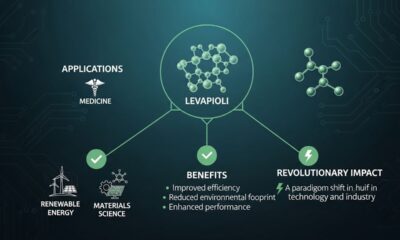
Levapioli: The Emerging Concept Reshaping Digital Efficiency and Decision-Mak