
Blog
Wollmatten: The Smart Flooring Choice for Modern Workspaces and Homes

In today’s design-driven world, flooring is no longer just a background feature. It influences comfort, productivity, aesthetics, and even sustainability. Among the many flooring solutions available, wollmatten have quietly become a preferred option for modern businesses, startups, and homeowners looking for a blend of durability, elegance, and functionality. While traditional carpets and synthetic mats still dominate many commercial spaces, the renewed interest in natural materials has pushed wollmatten into the spotlight.
From creative startup offices to minimalist apartments and high-traffic professional environments, wollmatten offer a practical yet refined flooring solution that aligns with modern expectations. Their appeal goes beyond visual design. They support healthier indoor environments, provide excellent insulation, and contribute to sustainable living practices. As businesses and consumers increasingly prioritize eco-conscious decisions, these mats are gaining recognition for all the right reasons.
Understanding Wollmatten in Modern Design
The term “wollmatten” refers to mats or floor coverings made primarily from wool. Wool has been used for centuries because of its durability, natural softness, and insulating properties. However, today’s wollmatten are not simply traditional wool rugs reintroduced into the market. Modern manufacturing techniques have transformed them into highly adaptable products suitable for residential, commercial, and corporate use.
What makes wollmatten particularly appealing is their ability to combine luxury with practicality. Unlike many synthetic alternatives, wool fibers naturally resist dirt and moisture. This means less maintenance over time and a longer product lifespan. In busy startup offices where employees move constantly between collaborative spaces, durability matters just as much as appearance.
At the same time, the tactile comfort of wool creates a more inviting atmosphere. Companies that invest heavily in workplace culture understand that physical environments influence employee wellbeing. A workspace that feels warm and comfortable often promotes creativity, focus, and engagement.
Why Startups and Entrepreneurs Are Choosing Wollmatten
Modern startups rarely follow the cold corporate design trends of the past. Open layouts, flexible workspaces, and employee-centric interiors have become standard. In this environment, flooring plays a surprisingly important role.
Wollmatten contribute to acoustic balance by absorbing sound more effectively than hard flooring materials. In open offices where video calls, brainstorming sessions, and collaborative work happen simultaneously, noise reduction is essential. A quieter environment supports concentration and reduces workplace fatigue.
Another reason entrepreneurs are embracing wollmatten is sustainability. Many startups build their brand identity around environmentally responsible practices. Wool is biodegradable, renewable, and naturally sourced, making it an attractive alternative to petroleum-based synthetic flooring materials.
The aesthetic versatility of wollmatten also appeals to modern businesses. They fit seamlessly into Scandinavian interiors, industrial office spaces, contemporary homes, and boutique commercial settings. Whether a company wants a minimalist atmosphere or a more luxurious look, wool-based mats adapt naturally to different design languages.
The Sustainability Advantage of Wollmatten
Sustainability is no longer a niche concern. Investors, consumers, and employees increasingly expect companies to demonstrate environmental responsibility. This shift has changed purchasing decisions across industries, including interior design and office furnishings.
Wool is one of the most sustainable natural fibers available. Sheep produce new fleece every year, making wool a renewable resource. Unlike synthetic materials that may take centuries to decompose, wool biodegrades naturally over time.
The environmental advantages of wollmatten extend beyond biodegradability. Wool production generally requires less energy compared to manufacturing petroleum-based synthetic flooring. Additionally, wool naturally regulates humidity and improves indoor air quality by trapping dust particles until they can be vacuumed away.
Here is a simple comparison of wool mats versus synthetic flooring options:
| Feature | Wollmatten | Synthetic Mats |
| Material Source | Natural wool fibers | Petroleum-based materials |
| Biodegradable | Yes | Usually no |
| Air Quality Benefits | Excellent | Limited |
| Noise Reduction | High | Moderate |
| Durability | Long-lasting | Varies |
| Moisture Resistance | Natural resistance | Chemical treatment required |
| Sustainability | Renewable resource | Non-renewable |
For companies aiming to meet environmental, social, and governance goals, investing in sustainable interior materials can reinforce broader brand values.
Wollmatten and Workplace Productivity
Workspace design has become a serious business strategy. Tech companies and startups spend millions optimizing office environments because physical spaces directly impact performance.
One overlooked factor is thermal comfort. Wool naturally regulates temperature, helping rooms feel warmer during colder months and more balanced during warmer seasons. This contributes to employee comfort without relying entirely on artificial climate control systems.
Comfortable flooring also affects physical wellbeing. Hard surfaces can contribute to fatigue during long working hours, especially in collaborative environments where employees frequently stand or move around. Wollmatten provide cushioning that improves comfort underfoot while maintaining a professional appearance.
Psychologically, natural textures create a calming atmosphere. Research in workplace design consistently shows that natural materials help reduce stress and support mental clarity. In high-pressure startup cultures, subtle environmental improvements can significantly influence morale and productivity.
Choosing the Right Wollmatten for Different Spaces
Not all wollmatten are designed for the same purpose. Choosing the right option depends on traffic levels, design goals, and maintenance expectations.
For startup offices and coworking spaces, dense woven wool mats are often ideal because they withstand heavy daily use. These mats maintain their shape over time and resist flattening better than many alternatives.
In residential settings, softer and thicker wool mats create warmth and comfort in living rooms or bedrooms. Home offices also benefit from wool flooring because of its sound absorption qualities, especially for remote professionals who spend hours on video calls.
Commercial hospitality spaces, such as boutique hotels or creative studios, often select custom-designed wollmatten to strengthen brand identity. The natural elegance of wool creates a premium atmosphere that guests immediately notice.
Color selection also matters. Neutral tones such as charcoal, beige, and soft gray remain popular because they complement modern interior styles while hiding dirt effectively. However, bold accent colors can add personality and visual contrast in creative workspaces.
Maintenance and Longevity
One of the biggest misconceptions about wool products is that they are difficult to maintain. In reality, wollmatten are surprisingly practical when properly cared for.
Wool fibers naturally repel dirt because of their microscopic structure. Dust and debris tend to remain near the surface rather than penetrating deeply into the material. Regular vacuuming is often enough to maintain appearance and cleanliness.
Another advantage is resilience. Wool fibers can bend thousands of times without breaking, allowing wollmatten to retain their shape even in high-traffic areas. Synthetic materials often flatten permanently after prolonged use, while wool tends to recover more naturally.
For businesses, this translates into long-term cost efficiency. Although wool mats may require a higher initial investment, their durability often reduces replacement frequency over time.
Professional cleaning every few years can further extend lifespan, especially in commercial environments. With proper maintenance, high-quality wollmatten can remain attractive for decades.
The Growing Popularity of Natural Materials
The rise of wollmatten reflects a broader shift in consumer preferences. People increasingly value authenticity, craftsmanship, and sustainability over mass-produced synthetic products.
This trend is particularly visible among younger entrepreneurs and digital professionals who prioritize intentional design choices. Modern consumers often see office spaces and homes as extensions of personal identity. As a result, materials that communicate environmental awareness and thoughtful design hold greater cultural value.
Social media and digital design platforms have also accelerated interest in natural interiors. Scandinavian-inspired aesthetics, biophilic design, and minimalist architecture frequently feature wool-based textures because they create warmth without visual clutter.
The popularity of remote work has further increased attention to interior quality. Professionals spending more time at home now invest in environments that support comfort, productivity, and mental well-being. Wollmatten align perfectly with these priorities.
How Wollmatten Supports Brand Identity
For businesses, interior design is not merely decorative. It communicates brand personality and values to employees, clients, and investors.
A thoughtfully designed office with natural materials sends a different message than a generic corporate space filled with synthetic surfaces. Wollmatten help create an environment that feels sophisticated, sustainable, and people-focused.
Creative agencies, wellness brands, technology startups, and environmentally conscious companies often use interior choices to reinforce their positioning. Even subtle design elements influence how visitors perceive professionalism and innovation.
Clients entering a workspace with carefully selected textures, comfortable acoustics, and warm natural materials immediately experience a sense of quality. In competitive industries, these impressions matter more than many companies realize.
Conclusion
Wollmatten are far more than simple floor coverings. They represent a modern approach to design that values sustainability, comfort, functionality, and aesthetics equally. As startups, entrepreneurs, and digital professionals continue redefining how workspaces and homes should feel, wool-based flooring solutions are becoming increasingly relevant.
Their ability to improve acoustics, support environmental goals, enhance comfort, and elevate interior design makes them an intelligent investment for both residential and commercial spaces. In an era where every design choice contributes to brand perception and personal well-being, Wollmatten offers a rare combination of practicality and sophistication.
Whether used in a creative office, a minimalist apartment, or a collaborative coworking hub, Wollmatten demonstrates how natural materials can meet the demands of modern living while creating spaces that feel genuinely human.
Meta Description (150 characters):
Discover how Wollmatten enhances modern spaces with sustainability, comfort, durability, and stylish functionality for homes and offices.
In today’s business environment, where startups scale overnight and digital brands dominate headlines, there is still immense value in entrepreneurs who build steadily through traditional industries. That is one reason the name “Jesus lechuga” continues to attract interest online. Public business records connect Jesus Lechuga with several companies in Spain’s fuel, retail, and commercial sectors, reflecting the kind of long-term entrepreneurial activity that often stays outside the spotlight but plays a meaningful role in regional economies.
While many modern business stories revolve around venture capital and disruptive apps, the trajectory associated with Jesus Lechuga offers a different perspective. It highlights the importance of operational consistency, family enterprise management, and the ability to adapt legacy businesses in changing economic conditions. For entrepreneurs and startup founders, there are valuable lessons hidden inside these quieter business journeys.
Understanding the Business Background of Jesus Lechuga
Publicly available commercial records show that Jesus Lechuga has been linked with multiple companies operating primarily in Murcia, Spain. These include fuel distribution businesses and commercial enterprises connected to automotive services and retail operations.
One of the notable entities connected to him is HIJOS DE JUAN LECHUGA SL, a company involved in fuel-related commercial activity. Records also show leadership roles in GRUPO EMPRESARIAL PETROGO SL and ESTACIONES DE SERVICIOS JUAN LECHUGA SA.
At first glance, these businesses may appear far removed from the technology startup world. However, entrepreneurs across every industry face many of the same challenges:
| Business Area | Common Entrepreneurial Challenge | Relevance Today |
| Fuel & Retail Operations | Managing operational costs | High inflation and energy volatility |
| Family-Owned Companies | Leadership transition | Succession planning for founders |
| Commercial Expansion | Scaling without losing stability | Sustainable growth strategies |
| Regional Enterprises | Competing with larger corporations | Localization and customer trust |
The value of studying business figures like Jesus Lechuga lies in understanding how long-term companies survive through economic shifts, changing regulations, and market competition.
Why Traditional Businesses Still Matter in the Digital Economy
Technology entrepreneurs sometimes underestimate the complexity of traditional industries. Yet sectors like fuel distribution, automotive services, logistics, and retail infrastructure remain foundational to modern economies.
The companies associated with Jesus Lechuga operate in industries that require operational discipline rather than media attention. Fuel services, for example, involve regulatory compliance, supply chain management, customer retention, and capital-intensive operations.
For startup founders, this is an important reminder: not every successful business is built around viral growth.
Many sustainable companies grow through:
- Strong regional relationships
- Operational reliability
- Long-term asset management
- Conservative financial planning
- Multi-generational trust
These principles are increasingly relevant in today’s uncertain economy. Investors and entrepreneurs alike are beginning to rediscover the value of resilient business models instead of growth-at-all-costs strategies.
The Role of Family Enterprises in Economic Stability
Another interesting aspect connected to Jesus Lechuga is the apparent family-oriented structure of the businesses involved. Public records show multiple Lechuga family members associated with management roles across several entities.
Family businesses often operate differently from venture-backed startups. Decisions are usually influenced by long-term continuity rather than quarterly metrics alone. This creates both strengths and challenges.
Advantages of Family-Led Companies
Family enterprises frequently benefit from:
- Deep institutional knowledge
- Long-term strategic thinking
- Strong internal trust
- Regional brand recognition
- Greater patience during downturns
These advantages can create remarkable resilience over time.
The Challenges of Multi-Generational Leadership
However, family businesses also face risks:
- Leadership conflicts
- Resistance to modernization
- Succession uncertainty
- Difficulty attracting outside talent
- Slow adaptation to digital transformation
Modern entrepreneurs can learn from both sides of this equation. Whether running a startup or inheriting a legacy company, leadership transitions remain one of the hardest business challenges to solve.
What Startup Founders Can Learn From Businesses Like These
The startup ecosystem often glorifies rapid disruption. But operational businesses teach a very different type of entrepreneurship — one rooted in consistency.
The public business footprint associated with Jesus Lechuga reflects several lessons founders should pay attention to.
Longevity Matters More Than Hype
A business surviving for decades demonstrates something important: sustainability.
While many startups fail within a few years, long-running companies prove they can manage:
- Economic downturns
- Market fluctuations
- Competitive pressure
- Regulatory changes
- Customer expectations over time
That kind of durability deserves respect.
Regional Markets Can Be Powerful
Not every company needs global visibility.
Regional businesses frequently outperform larger competitors because they understand local customer behavior better. They build trust through consistency rather than branding alone.
For digital founders, this is especially relevant in the age of hyper-targeted markets. Niche positioning often wins over broad positioning.
Operational Excellence Is Underrated
Tech founders sometimes prioritize product innovation while underestimating operations. Traditional businesses rarely survive without operational discipline.
Industries linked to Jesus Lechuga require:
- Inventory control
- Asset management
- Regulatory compliance
- Logistics coordination
- Customer service reliability
Those are not glamorous functions, but they are often the difference between profitability and failure.
The Digital Transformation Challenge
One of the biggest questions facing established regional businesses today is digital adaptation.
Companies that once relied entirely on physical operations now face pressure to modernize through:
- Online customer engagement
- Digital payment systems
- Data analytics
- Automation
- Brand visibility on search platforms
This challenge affects businesses across all industries, including fuel retail and automotive service sectors.
Entrepreneurs studying companies associated with Jesus Lechuga can see a broader business reality: transformation is no longer optional.
Businesses that fail to modernize risk losing relevance, especially as younger consumers expect seamless digital experiences.
At the same time, modernization must be balanced carefully. Long-standing businesses cannot always pivot aggressively without disrupting operational stability.
That balancing act defines much of modern entrepreneurship.
Reputation in the Information Age
An interesting aspect of modern business is how online visibility shapes perception.
Today, a business leader’s name can appear in corporate registries, search engines, social platforms, and public databases simultaneously. This creates both opportunity and complexity.
Search interest in “Jesus Lechuga” demonstrates how digital curiosity now extends far beyond celebrities or tech founders. Business professionals in regional industries can also become subjects of public attention through searchable corporate records and online mentions.
This reflects a larger shift in the information economy:
- Transparency is increasing
- Public records are easier to access
- Business histories are more searchable
- Brand identity extends beyond company websites
For entrepreneurs, reputation management has become essential regardless of company size.
The Broader Entrepreneurial Lesson
The story surrounding Jesus Lechuga is not about startup celebrity culture or social media influence. Instead, it represents something quieter but equally important: the enduring relevance of operational entrepreneurship.
Modern economies still depend heavily on businesses that manage infrastructure, transportation, fuel distribution, logistics, and regional commerce. These industries may not dominate headlines, but they provide economic continuity.
For startup founders, there is a temptation to believe innovation alone guarantees success. In reality, sustainable entrepreneurship usually combines innovation with discipline.
The most resilient companies often share common traits:
- Adaptability without chaos
- Growth without overextension
- Stability during uncertainty
- Strong customer trust
- Leadership continuity
These principles apply whether someone is launching a SaaS startup, running a logistics company, or managing a multi-generational retail business.
Why Entrepreneurial Diversity Matters
The business world benefits from diversity not only in people but also in business models.
Some entrepreneurs build billion-dollar software platforms. Others build regional enterprises that quietly employ workers, support local economies, and operate successfully for decades.
Both models matter.
Public records tied to Jesus Lechuga show participation in industries that require persistence more than publicity. That kind of entrepreneurship deserves more recognition in a culture often dominated by fast-growth narratives.
As economic uncertainty continues globally, investors and founders may increasingly appreciate businesses with tangible operational foundations rather than speculative momentum alone.
Conclusion
The growing online interest in Jesus Lechuga reflects more than simple curiosity about a business name. It highlights broader conversations about entrepreneurship, operational resilience, and the value of traditional industries in a rapidly changing economy.
The companies associated with Jesus Lechuga demonstrate how regional enterprises can maintain relevance through long-term leadership, family involvement, and steady operational management.
For startup founders and business professionals, the lessons are practical and timely. Sustainable success is not always built through disruption alone. Sometimes it comes from consistency, disciplined execution, and the ability to evolve carefully over time.
In an era obsessed with speed, there is still tremendous value in businesses that simply continue to work.
In today’s fast-moving digital economy, names become associated with more than individuals. They become connected to ideas, leadership styles, innovation, and influence. Cynthia Derderian is a name increasingly appearing in conversations around entrepreneurship, leadership, and the evolving role of technology-driven business strategy. While many startup founders focus heavily on scaling products and attracting investors, professionals associated with modern entrepreneurial thinking understand that long-term success also depends on adaptability, communication, and the ability to lead through uncertainty.
The rise of entrepreneurs and business leaders like Cynthia Derderian reflects a broader shift happening across industries. Founders are no longer judged only by quarterly growth metrics or fundraising announcements. They are also evaluated by how they navigate digital transformation, foster company culture, and create sustainable business ecosystems. This evolution has changed the way professionals think about leadership in startups and innovation-focused companies.
For entrepreneurs, investors, and digital professionals, the growing interest surrounding Cynthia Derderian highlights a larger discussion about what modern leadership actually looks like in an era dominated by technology, automation, and rapid market disruption.
The Evolution of Entrepreneurial Leadership
Entrepreneurship has changed dramatically over the last decade. In earlier startup eras, founders were often celebrated primarily for aggressive growth strategies and disruption-focused thinking. Today, however, leadership expectations have become more nuanced.
Modern business leaders are expected to balance innovation with responsibility. They must understand technology while remaining deeply connected to customer behavior and workforce dynamics. This is one reason why discussions around Cynthia Derderian resonate with startup audiences. The conversation represents a growing appreciation for leadership that combines strategic thinking with human-centered execution.
Technology startups especially face a unique challenge. Building a product is only one part of the equation. Founders must also manage remote teams, investor expectations, cybersecurity concerns, customer acquisition costs, and changing economic conditions. In this environment, leadership becomes less about authority and more about adaptability.
The most respected professionals in the entrepreneurial ecosystem are those who can evolve quickly without losing strategic clarity. That balance is becoming one of the defining traits associated with successful digital-era leadership.
Why Names Like Cynthia Derderian Matter in Digital Business Culture
In the online business world, visibility carries influence. Entrepreneurs today are not just company builders; they are public-facing thought leaders. Whether through podcasts, interviews, professional networks, or startup communities, professionals establish reputations that shape how audiences perceive expertise and authority.
The attention surrounding Cynthia Derderian demonstrates how audiences increasingly search for leaders who represent credibility, innovation, and practical insight rather than hype-driven entrepreneurship.
This trend is especially visible among younger founders entering competitive technology markets. They are looking for examples of leadership that feel sustainable and authentic. Startup culture has matured significantly, and many entrepreneurs are moving away from burnout-driven “always hustle” mentalities toward smarter operational strategies.
This transition has influenced hiring trends, funding decisions, and even company branding.
Key Traits Defining Modern Entrepreneurial Leadership
| Leadership Trait | Why It Matters in Startups |
| Adaptability | Markets change rapidly, requiring flexible decision-making |
| Communication Skills | Teams and investors depend on clarity and transparency |
| Digital Awareness | Leaders must understand evolving technology trends |
| Strategic Patience | Sustainable growth often outperforms reckless scaling |
| Emotional Intelligence | Company culture influences retention and productivity |
The relevance of Cynthia Derderian within entrepreneurial discussions aligns closely with these broader industry shifts.
Technology and the Human Side of Business
One of the biggest misconceptions about startups is that technology alone guarantees success. In reality, some of the most successful founders are experts at understanding people before they understand systems.
Technology may power the infrastructure of modern business, but relationships still drive growth. Customers want trust. Employees want purpose. Investors want confidence.
This is where leadership becomes critically important.
Entrepreneurs operating in highly competitive sectors often discover that technical expertise is not enough to sustain momentum. They must also become effective communicators, negotiators, and long-term strategists. The increasing recognition of professionals connected to entrepreneurial leadership conversations, including Cynthia Derderian, reflects how much the business world now values multidimensional leadership.
Companies that fail to prioritize the human side of innovation frequently struggle with internal instability. High employee turnover, poor communication, and weak organizational culture can derail even technically impressive startups.
Modern founders are learning that culture is no longer a secondary business concern. It is a growth strategy.
The Startup Ecosystem Is Becoming More Selective
The startup environment has become significantly more competitive over the past several years. Venture capital firms are now more cautious about where they allocate resources. Investors increasingly prioritize sustainable business models over growth-at-all-costs approaches.
This change has forced entrepreneurs to rethink how they build companies.
Instead of chasing inflated valuations, many founders are focusing on operational efficiency, customer retention, and long-term scalability. Professionals connected to modern entrepreneurial conversations, including Cynthia Derderian, represent this changing mindset where strategic discipline is valued alongside innovation.
Founders today must answer more difficult questions than previous startup generations:
- Can the business survive economic uncertainty?
- Is the product solving a real problem?
- Does leadership inspire long-term trust?
- Can the company scale without collapsing operationally?
These are not purely technical questions. They are leadership questions.
That reality explains why leadership identity has become such an important part of startup culture.
Digital Reputation and Entrepreneurial Influence
In the Internet era, reputation moves quickly. A founder’s credibility can influence partnerships, recruiting, customer confidence, and investment opportunities.
This is another reason why professional visibility matters more than ever.
Entrepreneurs no longer build influence exclusively through conferences or boardrooms. They establish authority through online presence, industry commentary, professional interviews, and thought leadership content. Audiences search for names like Cynthia Derderian because people increasingly associate leadership credibility with digital visibility.
However, visibility alone is not enough.
Modern audiences are highly skilled at identifying performative branding versus genuine expertise. Startup communities reward leaders who consistently provide value, demonstrate strategic clarity, and communicate authentically.
This shift has created a more mature entrepreneurial landscape where reputation is built through consistency rather than viral attention.
Lessons Entrepreneurs Can Learn
The broader interest in Cynthia Derderian also opens the door to practical lessons for founders and digital professionals navigating competitive industries.
One of the most important lessons is the value of strategic positioning. In crowded markets, differentiation matters. Companies and leaders who clearly communicate their value proposition often outperform competitors with stronger funding but weaker brand identity.
Another key lesson involves resilience.
The startup journey is rarely linear. Economic downturns, failed launches, staffing issues, and changing consumer behavior all create pressure. Entrepreneurs who survive long term are usually those who remain flexible while maintaining clear priorities.
Additionally, leadership transparency has become increasingly important. Employees and customers want leaders who communicate honestly, especially during uncertain periods. Trust has become a competitive advantage in business.
Many startup founders underestimate how much internal leadership quality affects external company performance. But culture problems almost always become operational problems eventually.
The Future of Leadership in the Tech Economy
The future of entrepreneurship will likely favor leaders who combine technical literacy with emotional intelligence and strategic communication.
Artificial intelligence, automation, and digital transformation are reshaping every major industry. While these technologies create opportunities, they also increase complexity. Businesses now operate in environments where consumer expectations evolve rapidly, and competition emerges globally almost overnight.
In this climate, leadership quality becomes a defining advantage.
Professionals connected to entrepreneurial conversations, including Cynthia Derderian, symbolize the growing demand for leaders who can balance innovation with stability. Startups no longer succeed solely because they move fast. They succeed because they move intelligently.
The next generation of founders will likely focus less on building attention and more on building resilience.
This means prioritizing sustainable growth, stronger company culture, better communication systems, and long-term customer trust.
It also means recognizing that leadership itself is becoming a strategic business asset.
Why Entrepreneurial Narratives Continue to Matter
People are naturally drawn to stories about leadership and innovation because they offer insight into how success is created under pressure. Entrepreneurs operate in environments filled with uncertainty, making their decisions, failures, and breakthroughs highly relevant to professionals across industries.
The growing attention around Cynthia Derderian reflects this broader fascination with entrepreneurial leadership and modern business evolution.
Startup ecosystems thrive on shared learning. Founders study the experiences of other professionals to identify patterns, avoid mistakes, and discover new approaches to growth. In many ways, entrepreneurial storytelling has become a form of education within the digital economy.
This is especially true in technology sectors where innovation cycles move quickly, and business models constantly evolve.
Leaders who can navigate this complexity while maintaining strategic clarity will continue shaping the future of entrepreneurship.
Conclusion
Cynthia Derderian represents more than a searchable name within entrepreneurial discussions. The growing interest surrounding the topic reflects a larger shift in how people define business leadership in the digital age.
Today’s founders are expected to do far more than launch products or secure funding. They must build trust, create adaptable organizations, understand technology trends, and communicate effectively in rapidly changing markets.
The modern startup ecosystem rewards leaders who combine innovation with discipline and visibility with authenticity. As entrepreneurship continues evolving, professionals who embody these qualities will remain increasingly relevant in business conversations worldwide.
For startup founders, entrepreneurs, and digital professionals, the broader lessons connected to Cynthia Derderian highlight an important reality: sustainable success in the tech economy is no longer built on speed alone. It is built on leadership that can evolve, connect, and endure.
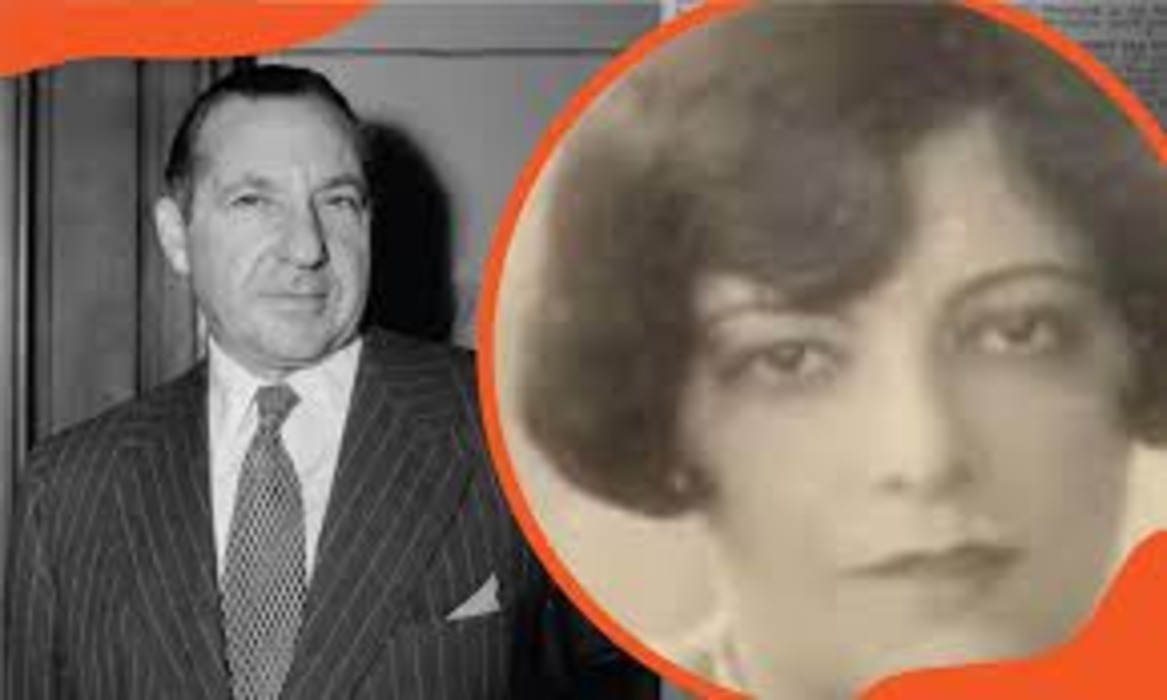
History often remembers powerful men for their influence, wealth, and notoriety. Yet behind many of those figures are individuals whose lives remain largely hidden from public view. Lauretta Giegerman is one of those names. While her husband, the infamous mob boss Frank Costello, became one of the most recognizable figures in organized crime history, Lauretta chose a completely different path — one built on privacy, restraint, and silence.
Even decades later, the name “Lauretta Giegerman” continues to spark curiosity among historians, crime enthusiasts, and digital readers searching for the untold side of America’s underworld era. Unlike the glamorous portrayals often associated with mob culture, Lauretta’s story feels remarkably human. She was not known for public appearances, political influence, or criminal involvement. Instead, she became known for her loyalty, discretion, and ability to remain composed while living beside one of the most powerful men in New York’s criminal landscape.
Her life offers a fascinating contrast to the chaos surrounding organized crime in the twentieth century.
Who Was Lauretta Giegerman?
Lauretta Giegerman was born in Manhattan, New York, on October 28, 1894, according to historical and genealogical records. She came from a Jewish family during a time when immigrant communities were shaping the identity of New York City. Much of her early life remains undocumented, but records consistently identify her parents as Jacob and Celia Giegerman.
Growing up in Manhattan during the late nineteenth century meant living in a city undergoing massive transformation. Immigration, industrial growth, political corruption, and economic hardship were all colliding in the streets of New York. Families often relied heavily on community ties, and privacy was considered a virtue rather than a branding strategy.
Unlike modern public figures, Lauretta left behind almost no interviews, memoirs, or personal statements. That silence has become part of her mystique. In many ways, her absence from public life makes her more compelling than many of the highly publicized personalities of her era.
The Woman Behind Frank Costello
Frank Costello, born Francesco Castiglia, became one of the most influential mob leaders in American history. Nicknamed the “Prime Minister of the Underworld,” Costello built enormous power through gambling operations, political connections, and alliances with major crime figures like Lucky Luciano.
But while Frank thrived in public notoriety, Lauretta did the exact opposite.
Their marriage reportedly began in 1918 and lasted more than five decades. Throughout that time, Lauretta remained remarkably absent from the spotlight. She rarely appeared in newspapers, avoided public controversies, and never became a visible figure in organized crime circles. Historians and writers continue to note how unusual this was, especially during an era when the wives of powerful men often became public extensions of their husbands’ status.
Instead, Lauretta cultivated a quiet domestic life.
That contrast created an unusual dynamic. Frank Costello operated in one of the most dangerous environments in America, yet those closest to the family often described their home life as surprisingly calm. While the outside world associated Costello with power struggles, investigations, and violence, Lauretta reportedly focused on stability and privacy.
Why Lauretta Giegerman Still Fascinates Readers
The continued interest in Lauretta Giegerman is not really about organized crime. It is about mystery.
Modern audiences are accustomed to constant visibility. Today, public figures share every milestone online, and celebrity culture rewards exposure. Lauretta belonged to a completely different generation. She managed to spend decades connected to one of America’s most famous mob bosses while revealing almost nothing about herself publicly.
That restraint feels rare today.
Part of the fascination also comes from the unanswered questions surrounding her life. Researchers still debate details about how she met Frank Costello, what her personal ambitions were, and how she handled the emotional pressure of living inside such a dangerous world.
Some accounts suggest she may have worked as a showgirl or performer in her younger years, though those claims remain difficult to fully verify. What remains consistent across most historical accounts is her preference for privacy and her deliberate distance from criminal operations.
Lauretta Giegerman’s Life at a Glance
| Key Detail | Information |
| Full Name | Lauretta Giegerman |
| Birth Date | October 28, 1894 |
| Birthplace | Manhattan, New York |
| Spouse | Frank Costello |
| Marriage Year | 1918 |
| Known For | Wife of mob boss Frank Costello |
| Public Role | Maintained an extremely private life |
| Children | None publicly documented |
| Historical Reputation | Quiet, loyal, and discreet |
Living Beside Power Without Seeking It
One of the most striking aspects of Lauretta Giegerman’s story is her refusal to embrace fame.
Many people connected to influential figures eventually become public personalities themselves. Lauretta never appeared interested in that role. There is no evidence that she tried to profit from Frank Costello’s notoriety or become socially prominent because of his influence.
That distinction matters.
In the criminal underworld of the 1930s through the 1950s, public visibility often carried serious risks. Rival gangs, law enforcement investigations, and media scrutiny created constant pressure. Remaining private may have been more than personal preference; it may also have been a survival strategy.
Frank Costello himself eventually became one of the most investigated organized crime leaders in the United States. His testimony before the Kefauver hearings in the early 1950s helped cement his public image nationwide. Yet even during those highly publicized moments, Lauretta stayed almost entirely invisible.
That ability to avoid exposure while living at the center of national attention remains remarkable.
A Marriage That Defied Expectations
Mob marriages have historically been portrayed as unstable, dramatic, and transactional. The relationship between Lauretta Giegerman and Frank Costello appears to have been unusually steady by comparison.
Most historical accounts describe their marriage as loyal and enduring. Despite Frank Costello’s criminal associations and public legal troubles, there are no major records of public scandals involving Lauretta.
Their partnership lasted until Frank Costello’s death in 1973.
That longevity raises an interesting question: what allowed their relationship to survive in an environment defined by paranoia and violence?
The answer may lie in Lauretta’s personality. Historical portrayals consistently describe her as calm, private, and emotionally grounded. Rather than becoming entangled in power dynamics, she appeared focused on maintaining a stable personal life.
For many observers, that emotional steadiness likely became one of the foundations of Frank Costello’s private world.
The Psychological Weight of Silence
Living quietly is often romanticized, but Lauretta’s silence likely carried enormous emotional weight.
Imagine spending decades beside a man constantly facing criminal investigations, political pressure, assassination threats, and betrayal. Frank Costello survived an assassination attempt in 1957, an event that reportedly changed the course of his later years.
For Lauretta, that reality would have meant living with constant uncertainty.
Yet there are no records of her publicly complaining, seeking attention, or discussing the stress attached to her husband’s world. Whether by choice or necessity, she maintained extraordinary discipline in how she presented herself.
That emotional restraint is part of what makes her story resonate today. In a culture built around oversharing, Lauretta represented the opposite approach — controlled, private, and measured.
The Legacy of Lauretta Giegerman
The legacy of Lauretta Giegerman is subtle but powerful.
She was not a policymaker, celebrity entrepreneur, or public activist. Her historical relevance comes from the way she navigated proximity to influence without becoming consumed by it.
For startup founders, entrepreneurs, and modern professionals, there is an interesting lesson hidden inside her story. Visibility is not always the same as influence. In today’s digital economy, people often assume success requires constant self-promotion. Lauretta’s life presents a different perspective — one where privacy itself becomes a form of strength.
Her story also highlights how history frequently overlooks quieter personalities. Public narratives tend to focus on dominant figures while ignoring the people who stabilized them behind the scenes.
Without seeking recognition, Lauretta became an enduring point of curiosity precisely because she remained difficult to define.
A Life Defined by Privacy
One of the reasons Lauretta Giegerman continues to intrigue readers is because her life resists modern storytelling formulas.
There is no dramatic memoir. No carefully managed media image. No public reinvention campaign.
Instead, there is silence.
And sometimes silence creates a stronger legacy than constant visibility ever could.
The limited historical record surrounding Lauretta has allowed her story to remain open to interpretation. Some see her as a loyal partner. Others view her as a symbol of resilience inside a dangerous environment. Still others are fascinated simply because she managed to remain almost entirely hidden despite being connected to one of America’s most notorious crime figures.
That mystery is unlikely to disappear anytime soon.
Conclusion
Lauretta Giegerman lived in the shadow of one of the most powerful organized crime figures in American history, yet she built her identity around privacy rather than publicity. While Frank Costello became a national headline, Lauretta remained largely unknown — a deliberate choice that continues to fascinate historians and digital readers alike.
Her story is not about fame, violence, or criminal ambition. It is about restraint, loyalty, and the quiet power of staying grounded in a world built on chaos.
In an age where visibility often feels mandatory, Lauretta Giegerman’s life serves as a reminder that influence does not always need an audience. Sometimes the people who leave the deepest impression are the ones who say the least.
Meta Description (150 characters):
Explore the life of Lauretta Giegerman, the private wife of mob boss Frank Costello, and her quiet legacy behind organized crime history.
-

 Blog3 months ago
HHKTHK: Decoding Digital Noise and Strategic Signals in Modern Tech
-

 Blog3 months ago
Lollitip: How Innovative Design is Transforming Consumer Experience
-
 Blog3 months ago
hellooworl: The Mindset Behind Building What the World Hasn’t Seen Yet
-

 Blog3 months ago
From Blog PlayBattleSquare: How Competitive Gaming Platforms Are Shaping the Future of Digital Communities
-

 Blog3 months ago
Simbramento: A New Strategic Model for Scalable Digital Growth
-

 Blog3 months ago
Calesshop: Redefining Digital Commerce for Modern Entrepreneurs
-

 Blog3 months ago
Babybelletje: Designing Micro-Connection Moments in a Hyper-Digital World
-

 Blog3 months ago
Xaicotum: The Emerging Digital Framework Redefining Startup Innovation