
News
What Is Thunder? A Complete Guide to How It Forms and Why It Sounds the Way It Does

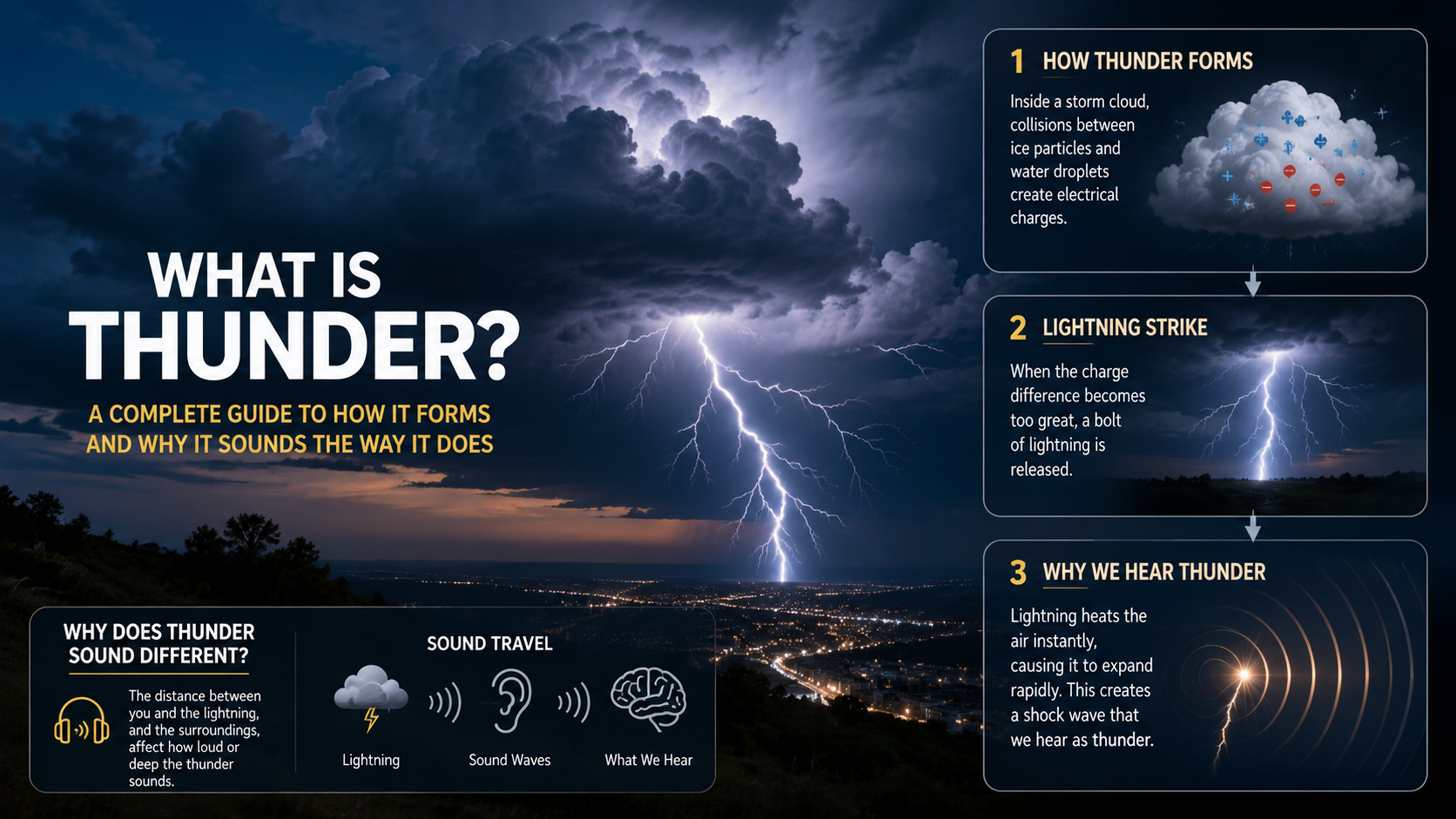
A flash lights up the sky, and a second later, a deep rumble rolls across the horizon. Most people have heard thunder thousands of times, but far fewer understand what’s actually happening in the atmosphere to produce that sound. Thunder isn’t just a dramatic accompaniment to lightning — it’s a direct physical result of it, and understanding how it works can help you stay safer during storms and make more sense of the weather around you.
This article breaks down what thunder is, how it’s created, why it sounds different depending on distance and conditions, and what common myths get wrong about it.
Direct Answer
Thunder is the sound created when lightning superheats the air around it to temperatures near 30,000 Kelvin in a fraction of a second. This sudden heating causes the air to expand explosively, creating a shockwave that travels outward as sound. The rumbling, rolling quality of thunder comes from the sound reaching your ears from different points along the lightning channel at slightly different times.
What Causes Thunder?
Thunder is the direct result of lightning, so to understand one, you have to understand the other. Lightning is a massive electrical discharge that occurs when charge builds up inside a storm cloud and eventually jumps between the cloud and the ground, or between two parts of a cloud.
When that electrical discharge fires, it heats the surrounding air almost instantly. The air along the lightning channel can reach temperatures several times hotter than the surface of the sun. Air heated that quickly has no time to expand gradually — it explodes outward, compressing the air around it. That compression wave is what you hear as thunder.
In simple terms: lightning is the spark, and thunder is the sound of the air violently reacting to that spark.
Why Does Thunder Rumble Instead of Producing a Single Crack?
Lightning bolts are rarely a single straight line. A typical bolt can stretch for miles, bending and branching through the atmosphere. Because different sections of the bolt are at different distances from you, sound from the closer parts arrives first, while sound from farther sections takes longer to reach your ears.
This staggered arrival is why thunder rolls and rumbles rather than producing one sharp bang. A very close, short lightning strike often produces a single loud crack, while a long, distant bolt produces the extended rumbling most people associate with a summer storm.
Atmospheric conditions also shape the sound. Sound waves bend and scatter as they pass through air layers of different temperatures and humidity levels, which adds to the rolling, echoing effect.
How Far Away Was the Lightning? The Flash-to-Bang Method
One of the most practical things to know about thunder is that you can use it to estimate your distance from a storm. Light travels almost instantly, but sound travels at roughly 343 meters per second (about 1,125 feet per second) in typical conditions. That gap between seeing lightning and hearing thunder tells you something useful.
How it works, step by step:
- Watch for a lightning flash and immediately start counting seconds.
- Stop counting the moment you hear the thunder.
- Divide the number of seconds by five to estimate the distance in miles (or divide by three for kilometers).
For example, if 10 seconds pass between the flash and the sound, the lightning struck roughly two miles away. This method, often called the “flash-to-bang” rule, is widely used by outdoor educators and safety organizations to judge how close a storm is and whether it’s time to seek shelter.
Why Thunder Matters for Storm Safety
Thunder isn’t just a sound effect — it’s a warning sign. Any storm producing thunder is, by definition, also producing lightning, which is a serious safety hazard. Lightning can strike from several miles away from the storm’s core, sometimes even when the sky overhead looks clear.
A widely used safety guideline is the “30-30 rule”: if the time between seeing lightning and hearing thunder is 30 seconds or less, the storm is close enough to pose a danger, and you should move indoors. After the storm passes, it’s recommended to wait at least 30 minutes after the last thunderclap before resuming outdoor activities.
Because thunder is audible from a greater distance than lightning is often visible, many safety agencies recommend using thunder as your primary cue: if you can hear thunder, you’re within striking distance of lightning.
Common Misconceptions About Thunder
Myth: Thunder can hurt you directly. Thunder itself is just sound. It’s the lightning that causes injury or damage, not the noise that follows it. Very close, powerful thunder can startle people or even cause minor hearing effects at extremely close range, but the actual danger comes from the electrical strike, not the sound wave.
Myth: If you don’t see lightning, there’s no danger. Lightning can occur behind clouds or in a part of the sky you’re not looking at. If you hear thunder, lightning is present and close enough to be a risk, whether or not you saw the flash.
Myth: Thunder always means rain is falling where you are. Storms can produce audible thunder from a location where it isn’t actively raining. This is sometimes called “dry thunderstorm” activity, and it’s actually a notable wildfire risk in dry regions because lightning can ignite vegetation without accompanying rainfall to dampen it.
Myth: A quiet, distant rumble means it’s safe to stay outside. Sound can be muffled or altered by wind, terrain, and humidity, making a nearby storm seem farther away than it is. The flash-to-bang count is a more reliable indicator than how loud the thunder sounds.
Real-World Examples
Picture a summer afternoon where a storm is building over nearby hills. You see a bright flash and start counting: one, two, three, up to about eight seconds before the rumble arrives. That works out to roughly 1.6 miles away — close enough that many safety guidelines would recommend heading indoors.
Now picture a different scenario: a storm several states away producing a distant, almost continuous low rumble on the horizon at night, sometimes called “heat lightning.” In reality, this is ordinary lightning and thunder from a storm too far away for the sound to fully carry, while the flash is still visible reflecting off high clouds.
Both scenarios involve the same basic physics, but the distance and conditions completely change what you experience.
Key Facts About Thunder
- Thunder is caused by the rapid expansion of air heated by a lightning strike.
- Sound travels roughly one mile every five seconds, which is the basis of the flash-to-bang counting method.
- The rolling or rumbling sound comes from different segments of a lightning bolt being different distances from the listener.
- Thunder can sometimes be heard from storms up to 10 miles away under quiet, still conditions, though 3 to 5 miles is more typical.
- “Heat lightning” is a misnomer; it’s regular lightning from a storm too distant for its thunder to be heard.
- Dry thunderstorms produce thunder and lightning with little or no rain reaching the ground, raising wildfire risk in arid areas.
Frequently Asked Questions
What is thunder? Thunder is the sound produced when lightning rapidly heats the surrounding air, causing it to expand and create a shockwave that travels as sound.
How does thunder form? It forms when a lightning discharge superheats air along its path in a fraction of a second, forcing that air to expand violently and generate a pressure wave that reaches your ears as sound.
Why is thunder important during a storm? It signals that lightning is present nearby, even if you can’t see the flash yourself, making it a useful and immediate safety cue.
Is thunder dangerous on its own? No. The sound itself doesn’t cause harm; the danger comes from the lightning that produces it.
Can you hear thunder without seeing lightning? Yes, especially at night or when lightning occurs behind clouds or terrain that blocks your view, while the sound still reaches you.
How far away can thunder be heard? Typically within about 10 miles under calm conditions, though background noise, wind, and terrain can shorten that range considerably.
What should I know before judging storm distance by thunder? The flash-to-bang method (counting seconds and dividing by five for miles) is a reliable estimate, but sound can be distorted by wind and humidity, so it should be treated as an estimate rather than an exact measurement.
Key Takeaways
- Thunder is the sound of rapidly expanding air after a lightning strike heats it to extreme temperatures.
- The rumbling effect happens because sound from different parts of a lightning bolt arrives at slightly different times.
- You can estimate storm distance by counting seconds between a lightning flash and the following thunder, then dividing by five for miles.
- Hearing thunder means lightning is close enough to be a real safety concern, even without a visible flash.
- Distant storms can still produce audible thunder or visible “heat lightning” from many miles away.
Conclusion
Thunder is a straightforward but often misunderstood part of everyday weather. It’s not a separate event from lightning, but a direct consequence of it — the sound of air reacting explosively to sudden, intense heat. Recognizing how thunder forms, how to estimate distance from it, and what it signals about nearby lightning can turn a familiar sound into a useful, practical tool for staying safe during storms.
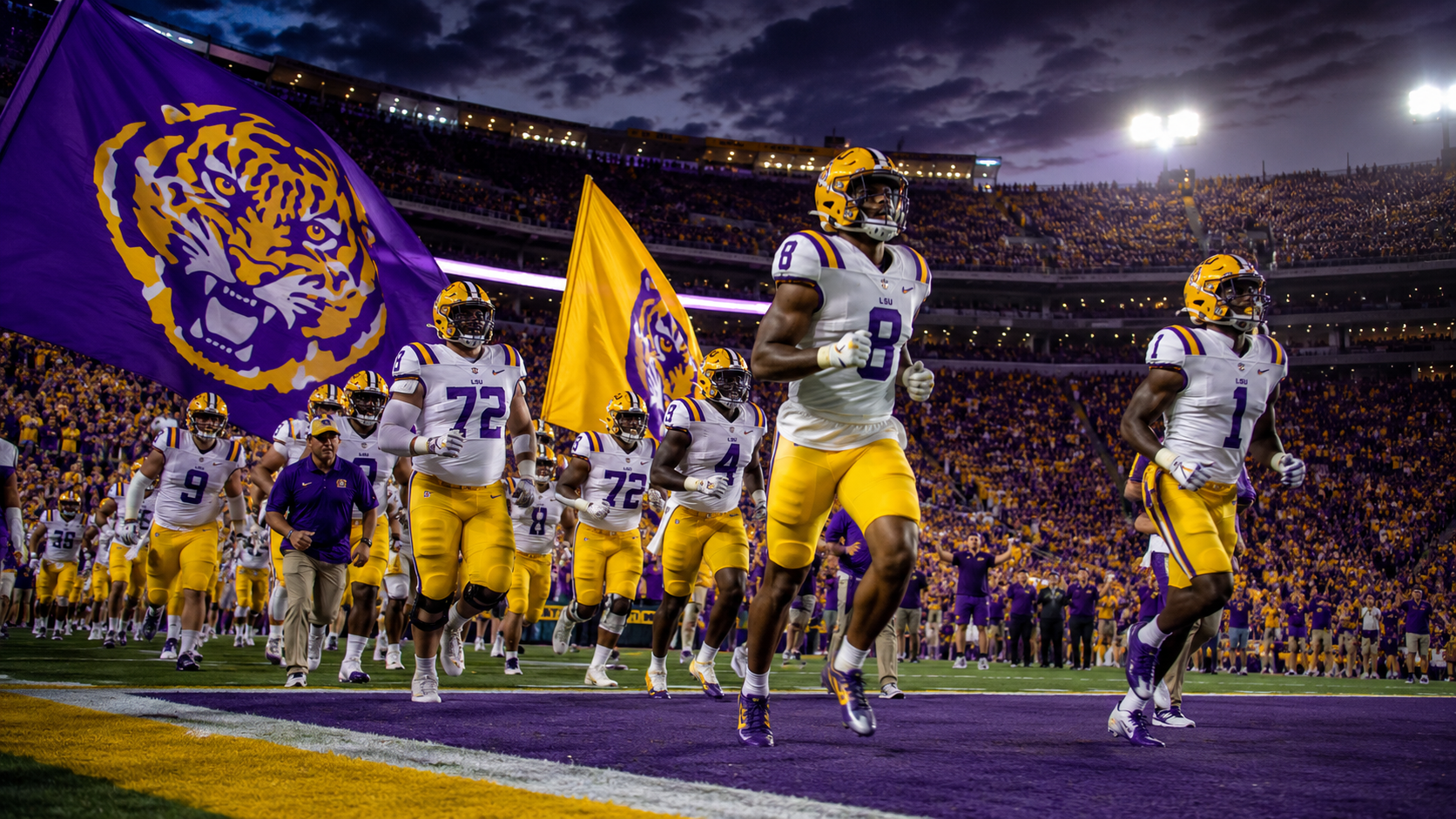
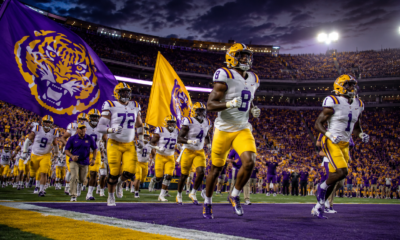
LSU football news has rarely been quiet, but the past year gave fans more to follow than usual. A midseason coaching change, a new head coach with a reputation for aggressive roster building, and a completely reshaped depth chart have combined to make this one of the most talked-about offseasons in program history. Anyone searching for LSU football news right now is likely trying to answer a few basic questions: who’s coaching the team, who’s on the roster, what changed, and what it means for the upcoming season. This article walks through all of it in plain language, without the filler.
Direct Answer
LSU football news currently centers on head coach Lane Kiffin, hired in December 2025 after Brian Kelly was fired during the 2025 season. Kiffin arrived from Ole Miss with one of the top-ranked transfer portal classes in the country, a new quarterback, and a reshaped coaching staff. The 2026 season opens against Clemson on September 5, with LSU aiming to return to College Football Playoff contention for the first time since 2019.
Background: How LSU Got Here
To understand today’s LSU football news, it helps to know what led to it. Brian Kelly took over the program in 2022 and built a 34-14 record over four seasons, including a New Year’s Six bowl appearance. That record looked solid on paper, but LSU’s administration wanted more than steady wins — they wanted the program back in true championship contention. When the Tigers stumbled to a 5-3 start in 2025, capped by a lopsided home loss to Texas A&M, the school moved quickly. Kelly was dismissed on October 26, 2025, and the buyout attached to his exit — reportedly around $54 million — became its own storyline, drawing public criticism from Louisiana’s governor over how the previous contract had been structured.
That criticism also touched the athletic department’s leadership. Athletic director Scott Woodward stepped down under pressure days after Kelly’s firing, and longtime administrator Verge Ausberry took over the search for a new coach. Ausberry moved fast. Within roughly five weeks, LSU had its next head coach.
Definition: Who Is Lane Kiffin
For readers less familiar with the coaching carousel, Lane Kiffin is a veteran offensive-minded coach who most recently led Ole Miss to a six-year run that included a 55-19 record and the program’s first-ever College Football Playoff appearance, reached during the 2025 season. Before Ole Miss, he held head coaching jobs at Tennessee, USC, and Florida Atlantic, along with a stint as an NFL assistant. LSU hired him within 24 hours of Ole Miss’s regular season ending, making him the sixth head coaching stop of his career.
Why This LSU Football News Matters
A coaching change of this scale changes almost everything about a program at once — scheme, staff, roster, and recruiting strategy. Kiffin’s arrival matters for a few specific reasons:
- Offensive identity shift. Kiffin is known as one of the sport’s more inventive offensive coordinators, and LSU’s offense is expected to reflect that under his direct involvement.
- Portal-driven roster building. Rather than rebuilding slowly through high school recruiting alone, Kiffin leaned heavily on the transfer portal, assembling what was widely ranked as the nation’s top transfer class for 2026.
- Coaching staff turnover. Not every assistant followed Kiffin from Oxford. Reports indicated Ole Miss’s defensive staff, led by coordinator Pete Golding, chose to remain in Oxford rather than move to Baton Rouge, meaning LSU had to build much of its defensive coaching staff separately.
- Financial scale. Multiple reports, including comments from Kelly himself, put the value of LSU’s rebuilt 2026 roster at more than $40 million, reflecting how much NIL and portal spending has reshaped roster construction across the sport.
Key Roster and Staff Changes
Several names have dominated LSU football news through the spring and summer:
- Quarterback overhaul. LSU brought in a new starting quarterback through the transfer portal as part of Kiffin’s rebuild, alongside high school signee Peyton Houston as a long-term piece of the quarterback room.
- Offensive line and edge rusher additions. Reports have described LSU’s incoming class as including the top-ranked transfer offensive lineman and a top-ranked transfer edge rusher in the country, both viewed as immediate difference-makers.
- Returning defensive leaders. Linebackers Whit Weeks and TJ Dottery, along with tight end Trey’Dez Green, represent continuity on a roster that otherwise saw heavy turnover. All three were selected to represent LSU at SEC Media Days in Tampa.
- Wide receiver room reset. LSU rebuilt its receiver group after Kiffin’s hire, adding several new pieces while working through position battles heading into fall camp.
- NFL Draft departures. Former LSU standout Mansoor Delane was selected in the top 10 of the 2026 NFL Draft, a reminder of the talent the previous coaching staff developed even amid the program’s struggles.
How the Offseason Unfolded: A Step-by-Step Timeline
- October 26, 2025 — Brian Kelly is fired following a loss to Texas A&M.
- Late October 2025 — Athletic director Scott Woodward resigns under public pressure; Verge Ausberry takes over administration duties.
- Early December 2025 — LSU hires Lane Kiffin away from Ole Miss, just after the Rebels’ regular season ends.
- Winter 2025-2026 — Kiffin and his staff build a top-ranked transfer portal class, including a new starting quarterback, offensive line help, and defensive additions.
- Spring 2026 — Roster spending figures become public, with estimates putting the rebuilt roster’s value above $40 million.
- April 2026 — The SEC releases its Media Days schedule for July, and LSU’s 2026 schedule is finalized, including a season-opening matchup with Clemson on September 5.
- July 2026 — Kiffin and several LSU players attend SEC Media Days in Tampa; LSU also announces future non-conference matchups against four in-state Louisiana programs, starting with Northwestern State in 2027.
- Late July 2026 — LSU heads into fall camp with a full schedule of practices ahead of the season opener.
Common Misconceptions About LSU’s Coaching Change
Misconception: Brian Kelly was a poor coach. Kelly’s overall record at LSU was a winning one, and he took the program to a New Year’s Six bowl. The change reflected LSU’s expectations for championship-level results rather than a claim that Kelly failed outright.
Misconception: Kiffin brought his entire Ole Miss staff with him. Several key assistants, including Ole Miss’s defensive coordinator, opted to stay in Oxford, so LSU had to hire much of its defensive staff separately.
Misconception: A big transfer class guarantees success. Roster spending and transfer rankings generate excitement, but translating a reshaped roster into wins on the field is a separate challenge, and expectations around Kiffin’s tenure will ultimately rest on results, not offseason buzz.
Real-World Example: Why the Buyout Became Political
LSU’s Brian Kelly buyout is a useful example of how college football’s business side can shape LSU football news as much as anything happening on the field. Because the separation was structured as “without cause,” LSU owed Kelly roughly $54 million. That figure drew public criticism from Louisiana’s governor, who argued the athletic department had negotiated a bad contract in the first place. The controversy contributed to the athletic director’s resignation, showing how a single contract clause can ripple into leadership changes well beyond the coaching staff itself.
What to Watch This Season
- Season opener against Clemson on September 5, a high-profile early test for Kiffin’s new-look roster.
- Quarterback performance, given how much roster investment went into that position.
- Defensive cohesion, since LSU had to rebuild that coaching staff without Kiffin’s previous coordinator.
- SEC schedule strength, as LSU works to translate roster spending into conference wins.
- Long-term scheduling moves, including the newly announced series against in-state programs like Northwestern State beginning in 2027.
Key Facts
- LSU fired Brian Kelly on October 26, 2025, following a 5-3 start to the season.
- Kelly’s buyout was reported at approximately $54 million.
- Lane Kiffin was hired in early December 2025, arriving from Ole Miss.
- Kiffin’s Ole Miss record was 55-19 over six seasons, including the program’s first CFP appearance.
- LSU’s rebuilt 2026 roster was valued at over $40 million by multiple reports.
- LSU’s 2026 season opens against Clemson on September 5.
- Verge Ausberry replaced Scott Woodward as the administrator overseeing athletics after Woodward’s resignation.
FAQ
What is the latest LSU football news? The biggest story is Lane Kiffin’s first season as head coach after LSU fired Brian Kelly in October 2025. Kiffin has rebuilt much of the roster through the transfer portal and enters 2026 with a season opener against Clemson.
Why did LSU fire Brian Kelly? LSU wanted championship-level results, not just steady winning seasons. A 5-3 start in 2025, including a lopsided home loss to Texas A&M, triggered the midseason firing.
How did Lane Kiffin end up at LSU? Kiffin was a top target once the LSU job opened, and he left Ole Miss for LSU shortly after Ole Miss’s 2025 regular season ended, choosing LSU over other reported options.
Did Kiffin bring his old coaching staff with him? Not entirely. Reports indicate his Ole Miss defensive staff, led by coordinator Pete Golding, chose to stay in Oxford, so LSU built much of its defensive staff independently.
What does LSU’s 2026 schedule look like? LSU opens the season against Clemson on September 5. The program has also added future non-conference games against in-state opponents, starting with Northwestern State in 2027.
Is the transfer portal spending unusual for college football right now? Large roster investments have become increasingly common across the sport as NIL and the transfer portal reshape how programs build rosters, though LSU’s reported spending has drawn particular attention given the scale of the rebuild.
What are the biggest questions facing LSU heading into fall camp? Position battles across nearly every unit, quarterback performance, and how quickly a newly assembled defensive staff can build cohesion are the main storylines heading into the season.
Key Takeaways
- LSU fired Brian Kelly in October 2025 and hired Lane Kiffin about five weeks later.
- Kiffin brought a top-ranked transfer class and a new quarterback but had to rebuild his defensive staff separately.
- The Kelly buyout became a political flashpoint, contributing to the athletic director’s resignation.
- LSU opens its 2026 season against Clemson on September 5.
- Roster spending topped an estimated $40 million as LSU works to return to national title contention.
Conclusion
LSU football news right now is really the story of a program betting big on a coaching and roster overhaul in a short amount of time. Lane Kiffin’s arrival brought a proven offensive track record, a reshaped roster, and no shortage of pressure to deliver results quickly. Whether that investment translates into wins will start to become clear once the season opens against Clemson, but the offseason alone has already made LSU one of the most closely watched programs heading into 2026.
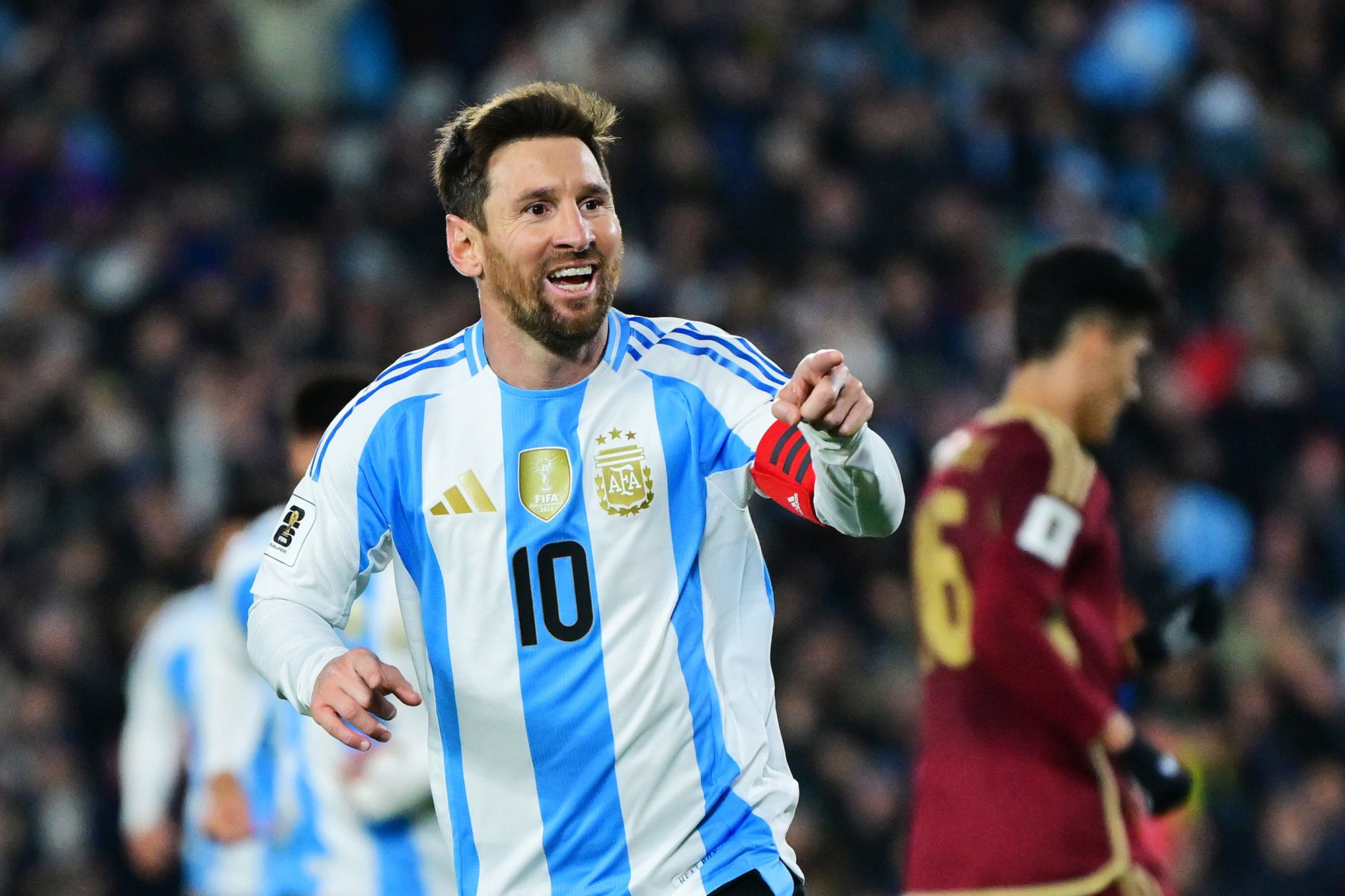
Few names in sports carry as much weight as Lionel Messi. Whether you follow football closely or only catch the World Cup every four years, chances are you’ve heard his name mentioned alongside words like “genius” or “greatest of all time.” But what actually makes Messi so significant, and what should a newcomer know about his career, his records, and where he plays today?
This guide breaks down the essentials in plain language, covering his background, his rise through Barcelona’s youth academy, his international career with Argentina, his move to Major League Soccer, and the records that define his legacy.
Quick Answer
Lionel Messi is an Argentine professional footballer widely regarded as one of the greatest players in the sport’s history. Born in 1987 in Rosario, Argentina, he rose through FC Barcelona’s youth system, won a record eight Ballon d’Or awards, led Argentina to the 2022 World Cup title, and now plays for Inter Miami CF in Major League Soccer, where he is under contract through December 2028.
Early Life and Background
Messi was born on June 24, 1987, in Rosario, Argentina. As a child, he was diagnosed with a growth hormone deficiency, and his family struggled to afford the treatment he needed. This detail matters because it shaped the next chapter of his story: FC Barcelona’s youth academy, La Masia, agreed to cover his medical costs if his family relocated to Spain so he could join their youth ranks. That decision, made when Messi was just 13, set the stage for one of football’s most remarkable careers.
Growing up in a modest household with a passion for the game, Messi’s early years illustrate a common theme in football biographies — talent alone rarely explains success. Circumstance, family sacrifice, and institutional support all played a role.
Rise Through FC Barcelona
Messi progressed through Barcelona’s youth teams before making his first-team debut in 2004 at age 17. Over the next two decades, he became the identity of the club, playing under a system built around technical skill, quick passing, and positional intelligence. During his time at Barcelona, Messi won:
- Multiple UEFA Champions League titles
- Numerous La Liga championships
- A record number of Ballon d’Or awards while at the club
His playing style — close ball control, sudden changes of direction, and precise left-footed finishing — became a template that youth coaches around the world still reference when teaching technical fundamentals.
In 2021, Messi left Barcelona for Paris Saint-Germain due to financial constraints at the club, spending two seasons in France before making a decision that surprised much of the football world.
Move to Inter Miami and Major League Soccer
In July 2023, Messi signed with Inter Miami CF, joining Major League Soccer. This move had an outsized impact on the league’s visibility, ticket sales, and international media coverage. <cite index=”11-1″>Messi came stateside in July 2023 after a legendary European career with FC Barcelona and Paris Saint-Germain, in a move that transformed North American soccer and elevated Inter Miami’s global profile.</cite>
Since joining the club, <cite index=”11-1″>Messi has won a world-record number of titles for club and country, including MLS Cup 2025 with the Herons, and has posted 90 goals and 51 assists in 104 matches for the club.</cite> As of the 2026 MLS season, <cite index=”7-1″>Messi remains under contract with Inter Miami through December 2028</cite>, meaning fans can expect to see him in MLS for at least a couple more seasons.
Recent Club Activity (2026 Season)
<cite index=”2-1″>Through the middle of the 2026 MLS season, Messi had scored 12 goals in 14 matches, placing him second in the league in scoring.</cite> Following Argentina’s run to the 2026 World Cup final, <cite index=”5-1″>Messi played nearly every minute of the tournament, logging around 740 minutes across six weeks as Argentina advanced through three matches that went to extra time.</cite> Given that workload, <cite index=”3-1″>FIFPRO’s recommended 21-day rest period after international tournaments, which FIFA agreed to in 2025, meant Messi was expected to miss Inter Miami’s immediate matches following the World Cup, including the 2026 MLS All-Star Game.</cite>
This kind of post-tournament rest period is common for elite players and isn’t a sign of injury or decline — it reflects modern sports science practices designed to protect players’ long-term health.
International Career with Argentina
Messi has represented Argentina since his youth national team days, becoming the senior team’s captain and setting numerous appearance records along the way. <cite index=”11-1″>He holds the record for most World Cup appearances by any player, with six tournaments played.</cite>
His most celebrated achievement with the national team came at the 2022 World Cup in Qatar, where Argentina won the title after a dramatic final against France decided by penalty kicks. That victory completed what many fans consider the last major gap in Messi’s résumé, since he had won nearly every club honor available but had not previously lifted the World Cup trophy.
At the 2026 World Cup, Argentina reached the final again as defending champions but fell short. <cite index=”4-1″>Argentina came up just short against Spain in the 2026 FIFA World Cup final</cite>, with <cite index=”8-1″>Messi playing 120 minutes in a 1-0 extra-time defeat at MetLife Stadium.</cite> That appearance made him <cite index=”8-1″>the first player in history to start three FIFA World Cup finals.</cite> Messi <cite index=”2-1″>finished the tournament second in the Golden Boot race behind Kylian Mbappé, with eight goals and four assists.</cite>
As for his international future, <cite index=”7-1″>Messi has not confirmed whether the 2026 World Cup was his last, and at 39 years old, speculation about retirement from international football is ongoing.</cite>
Major Records and Achievements
Understanding Messi’s legacy requires looking beyond goals and trophies to the scale of his consistency over nearly two decades at the top level. Key highlights include:
- A record eight Ballon d’Or awards, more than any other player in history
- Multiple UEFA Champions League titles with Barcelona
- A 2022 FIFA World Cup title with Argentina
- The record for most World Cup appearances (six tournaments)
- Copa América titles with the Argentine national team
- Hundreds of goals and assists across Spanish, French, and North American leagues
These numbers matter less as isolated statistics and more as evidence of sustained excellence across different leagues, different teammates, and different tactical systems — a factor often cited in debates about his place in football history.
Why Messi’s Playing Style Stands Out
Unlike many top forwards who rely heavily on speed or physical strength, Messi’s game is built on close control, vision, and decision-making under pressure. He typically plays with a low center of gravity, which helps him change direction quickly and shield the ball from defenders. His passing range, from short combination play to long diagonal balls, allows him to create scoring chances as much as finish them himself.
This style has practical implications for anyone studying the sport: young players are often encouraged to study his movement in tight spaces rather than trying to copy his goal-scoring statistics directly, since his decision-making is considered more teachable than his raw talent.
Common Misconceptions About Messi
Misconception: Messi never won a World Cup before 2022. This is true, and it was often used to argue he was not the greatest player ever, since rivals like Pelé and Maradona had won World Cups. The 2022 title addressed this specific criticism, though debates about all-time rankings remain subjective.
Misconception: Messi’s move to MLS means he has declined significantly. While the MLS is generally considered a step below Europe’s top leagues in overall competitiveness, Messi has continued to produce at a high level statistically, and his move was widely framed as a business and lifestyle decision as much as a competitive one.
Misconception: Messi and Cristiano Ronaldo have a personal rivalry. Their competition was mostly framed by media and fans comparing statistics and trophies during overlapping careers in Spain. Public interactions between the two have generally been respectful.
Is Messi Still Playing at the Top Level?
Yes. As of the 2026 MLS season, Messi continues to be a regular starter and leading scorer for Inter Miami when healthy and rested. Rest periods following international tournaments, like the one after the 2026 World Cup, are standard practice and don’t indicate an end to his career.
Key Facts About Lionel Messi
- Full name: Lionel Andrés Messi
- Born: June 24, 1987, in Rosario, Argentina
- Position: Forward/Attacking midfielder
- Current club: Inter Miami CF (MLS), contracted through December 2028
- National team: Argentina (captain)
- Ballon d’Or awards: A record eight
- World Cup titles: One (2022)
- World Cup appearances: A record six tournaments
Frequently Asked Questions
What is Lionel Messi known for? Messi is known for being one of the most decorated and statistically productive footballers in history, combining technical skill, playmaking, and goal-scoring at an elite level for nearly two decades.
How did Messi get his start in football? He joined FC Barcelona’s youth academy, La Masia, at age 13 after the club agreed to help fund treatment for a growth hormone condition, provided his family relocated to Spain.
Why did Messi move to Inter Miami? Messi joined Inter Miami CF in July 2023 after two seasons at Paris Saint-Germain, in a move that significantly raised MLS’s global profile and commercial value.
Has Messi won a World Cup? Yes. Argentina won the 2022 FIFA World Cup with Messi as captain, and he was named the tournament’s best player.
Is Messi still playing professionally? Yes. He remains an active player for Inter Miami CF and, as of the 2026 World Cup, was still representing Argentina internationally.
Is Messi considered the greatest player of all time? This is a matter of opinion rather than settled fact. Many pundits and fans place him at or near the top of all-time rankings, often alongside Pelé, Diego Maradona, and Cristiano Ronaldo, based on individual awards, trophies, and statistical output. Others weigh different eras and competition levels differently, so there is no single, objective answer.
Key Takeaways
- Messi rose from a modest background in Rosario, Argentina, to become one of football’s most decorated players.
- He spent most of his club career at FC Barcelona before moving to Paris Saint-Germain and then Inter Miami CF.
- He holds a record eight Ballon d’Or awards and won the 2022 World Cup with Argentina.
- He set the record for most World Cup appearances, with six tournaments played through 2026.
- As of 2026, he remains an active player under contract with Inter Miami through 2028.
- Debates about whether he is the greatest player ever remain a matter of opinion, not consensus fact.
Conclusion
Lionel Messi’s career spans multiple leagues, countries, and eras of football, tied together by a level of consistency that’s rare in any sport. From his early years at La Masia to his World Cup triumph in 2022 and his ongoing chapter with Inter Miami, his story offers a useful case study in long-term athletic excellence. Whether or not he holds the title of greatest player ever is ultimately a subjective question, but the scale of his statistical and competitive record is not in dispute.
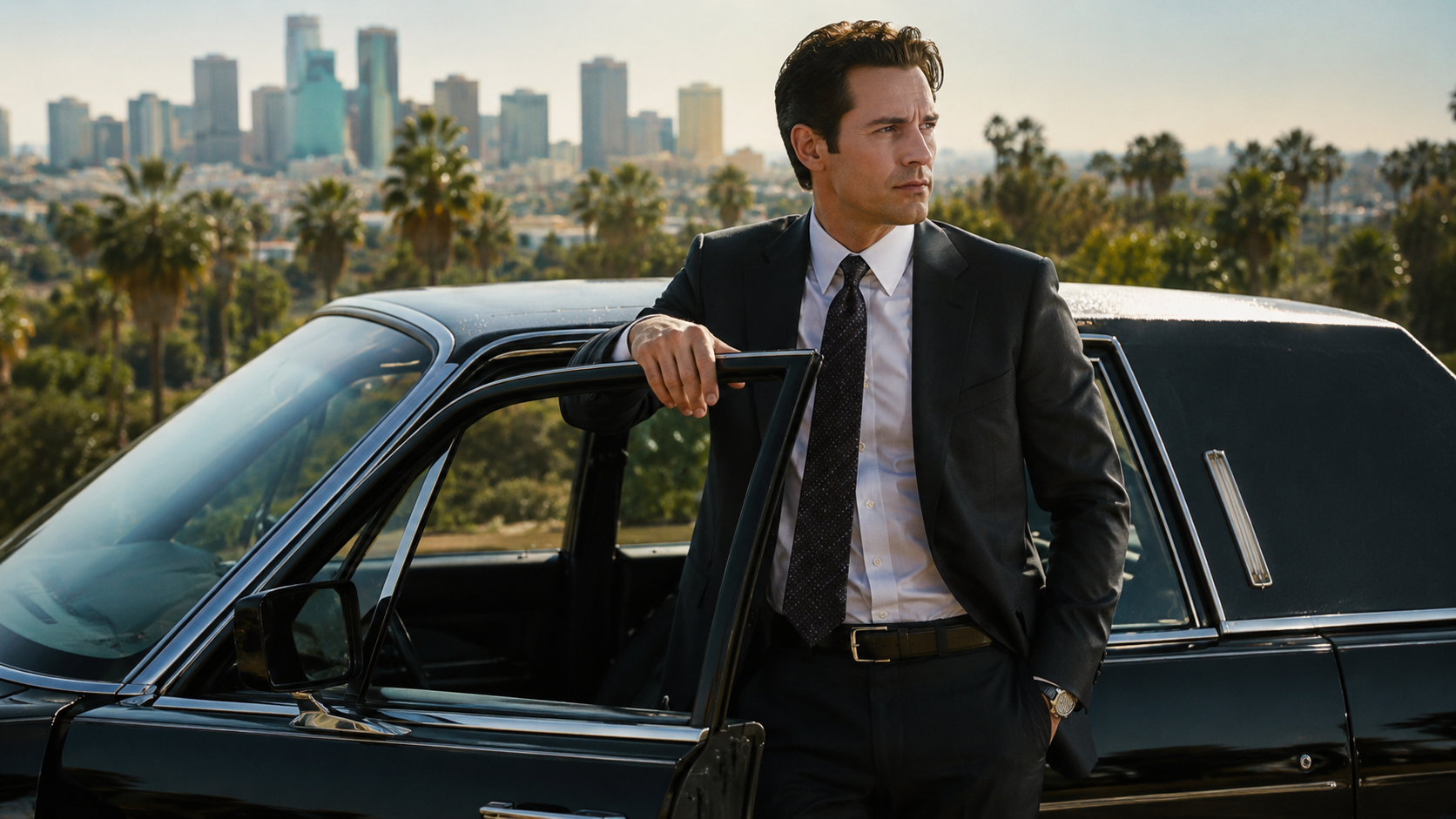
If you’ve heard the phrase “Lincoln lawyer” and wondered whether it refers to a real profession, a book, a movie, or something else entirely, you’re not alone. The term has taken on several meanings over the past two decades, and people searching for it usually want one of two things: an explanation of the real-world legal practice behind the name, or context on the popular novel, film, and television franchise that made the phrase famous.
This article covers both angles. You’ll learn where the term came from, what it actually describes, how it became a media franchise, and why the concept still matters for understanding how criminal defense work operates outside a traditional office.
Direct Answer
A Lincoln lawyer is a criminal defense attorney who runs their practice from a car, typically a Lincoln Town Car, rather than a fixed office. The term became widely known through Michael Connelly‘s novel “The Lincoln Lawyer,” which follows a Los Angeles defense attorney named Mickey Haller who conducts much of his business from the back seat of his car while traveling between courthouses.
Where the Term Came From
Before it was a book title, “Lincoln lawyer” described a real pattern among some criminal defense attorneys in large cities, especially Los Angeles. Court schedules in big metro areas often require attorneys to appear at several courthouses in a single day. Rather than keep a downtown office and pay for parking near each courthouse, some attorneys equipped a car with a phone, a laptop, and a case file system, then worked from the vehicle between hearings.
The Lincoln Town Car was a common choice because of its size, comfortable back seat, and reliability for long days on the road. A driver would handle traffic while the attorney reviewed files, made calls, or met briefly with clients in the car. This setup let a defense attorney maximize billable hours and court appearances without wasting time in transit doing nothing.
The Novel That Made the Term Famous
Author Michael Connelly introduced the phrase to a much wider audience with his 2005 legal thriller centered on Mickey Haller, a Los Angeles criminal defense attorney who runs his practice almost entirely from his car. Haller represents a wide range of clients, including gang members, drunk drivers, and low-level offenders, and the book explores how he handles an unusually high-stakes case that puts his usual methods to the test.
The novel resonated with readers because it offered an inside look at criminal defense work that felt authentic rather than glamorized. Connelly drew on research into how real Los Angeles defense attorneys operated, which is part of why the “lincoln lawyer” concept felt grounded instead of invented purely for fiction.
From Book to Film to Streaming Series
The popularity of the novel led to a 2011 feature film adaptation that introduced Mickey Haller to an even larger audience. The film followed the core plot of the book, showing Haller navigating a complicated case while working out of his car between courtrooms.
More than a decade later, the character returned in a television series that expanded the original story into a multi-season format, allowing for deeper exploration of Haller’s cases, his relationships with colleagues, and the day-to-day mechanics of running a mobile legal practice. The show helped cement “lincoln lawyer” as a phrase most people now associate with this specific character and franchise, even if they’ve never read the original novel.
Why the Concept Still Matters
Even outside the entertainment world, the Lincoln lawyer model illustrates something real about how criminal defense law works in busy urban courts. A few reasons the concept has staying power:
- Court schedules are unpredictable. Attorneys with a full defense caseload often bounce between courthouses on short notice, and a mobile setup reduces downtime.
- Overhead matters. Defense attorneys handling volume caseloads, especially public defenders or private attorneys who take court-appointed cases, may not have the budget for a large office in every jurisdiction they serve.
- Client access. Some Lincoln lawyers use the flexibility to meet clients or witnesses at more convenient locations rather than requiring everyone to travel to a fixed office.
None of this means every defense attorney works from a car today. Most maintain a traditional office and only occasionally handle business remotely. The “lincoln lawyer” label describes a working style, not a formal legal designation or licensing category.
Common Misconceptions
Misconception 1: A Lincoln lawyer is a special type of licensed attorney. There’s no bar certification or legal specialty called “Lincoln lawyer.” It’s a descriptive term for a work style, not a formal credential.
Misconception 2: The term only applies to fictional characters. While the phrase is closely tied to the Mickey Haller franchise now, it originated from real defense attorney habits in Los Angeles before the novel existed.
Misconception 3: Lincoln lawyers only handle minor cases. Working from a car has more to do with efficient scheduling than case size. Attorneys who use this style can still handle serious felony defense work.
Misconception 4: It’s only a Los Angeles phenomenon. The pattern started there because of the city’s sprawling court system and traffic, but the same logic can apply to defense attorneys in any large metro area with multiple courthouses spread across a wide area.
Real-World Example
Picture a criminal defense attorney with hearings scheduled at three separate courthouses in one morning, each 20 to 40 minutes apart by car. Instead of returning to an office between hearings, the attorney reviews the next case file in the back seat, calls a client to confirm a plea deal, and drafts notes for the following appearance, all before arriving at the next courthouse. By the end of the day, the attorney has covered three cases without losing hours to a commute back to a home office. This is the practical reality behind the Lincoln lawyer idea, whether or not the vehicle is actually a Lincoln.
Key Facts
- The term traces back to real Los Angeles defense attorneys who worked from cars, often Lincoln Town Cars, to manage heavy court schedules.
- Michael Connelly’s 2005 novel introduced the phrase to a mass audience through the character Mickey Haller.
- A 2011 film adaptation and a later television series both expanded the character’s reach in pop culture.
- There is no formal legal license or specialty tied to the term; it describes a working arrangement.
- The underlying logic, minimizing downtime between court appearances, still applies to defense attorneys today, regardless of what car they drive.
Frequently Asked Questions
What is a Lincoln lawyer? A Lincoln lawyer is a criminal defense attorney who conducts much of their work from a car instead of a traditional office, often to save time while traveling between courthouses.
Why is it called a “Lincoln” lawyer specifically? The name comes from the Lincoln Town Car, a spacious sedan that was a practical and comfortable choice for attorneys who spent long hours working from the back seat.
Is a Lincoln lawyer a real job title? No. It’s a descriptive nickname for a working style rather than an official legal designation or bar certification.
Where did the term become popular? It gained widespread recognition through Michael Connelly’s novel about a Los Angeles defense attorney, followed by a film and television adaptation.
Do real defense attorneys still work this way? Some do, particularly in cities with congested court schedules, though most maintain a conventional office and only occasionally work remotely from a vehicle.
Is this style of practicing law legal and normal? Yes. There’s nothing improper about handling case review, calls, or scheduling from a car. Attorney-client privilege and confidentiality rules still apply regardless of location.
Key Takeaways
- A Lincoln lawyer is a defense attorney who works primarily from a car to manage a demanding courthouse schedule.
- The phrase originated from a real pattern among Los Angeles attorneys before becoming widely known through fiction.
- The novel, film, and television series built around the concept popularized the term far beyond the legal industry.
- It’s a description of a working style, not a formal legal category.
- The core idea, reducing wasted time between court appearances, remains relevant to how some defense attorneys operate today.
Conclusion
The phrase “Lincoln lawyer” started as a practical description of how some defense attorneys handled a demanding courthouse schedule, then became a widely recognized term through a novel, a film, and a television series. Understanding both sides of its history, the real working style and the fictional character it inspired, gives a fuller picture of why the term still comes up in conversation today.


LSU Football News: What’s Happening With the Tigers Right Now

Who Is Lionel Messi? A Complete Guide to His Career Records and Legacy

What Is a Lincoln Lawyer? Meaning Origin and Everything You Need to Know
Who Is Lionel Messi? A Complete Guide to His Career Records and Legacy
LSU Football News: What’s Happening With the Tigers Right Now

What Is Thunder? A Complete Guide to How It Forms and Why It Sounds the Way It Does
-
 News3 months ago
Who Is Lionel Messi? A Complete Guide to His Career Records and Legacy
-
 News3 months ago
LSU Football News: What’s Happening With the Tigers Right Now
-

 News3 months ago
Who Is Kane Brown? A Complete Look at the Country Star’s Life and Career
-
 News3 months ago
What Is a Lincoln Lawyer? Meaning Origin and Everything You Need to Know
-

 News3 months ago
Travel News Today: What’s Changing for Travelers Right Now
-
Uncategorized3 years ago
Trans Telegram Channel – Join Active Chat Communities