
Blog
Sagės: Why This Timeless Accessory Is Powering a Modern Design Renaissance


In a world driven by digital avatars, LinkedIn headshots, and personal brands built on pixels, it’s striking that one of the most powerful statements a professional can make is analog. Sagės—brooches—are quietly reclaiming space in modern wardrobes, boardrooms, and even startup stages. Once considered heirlooms reserved for formal occasions, sagės are now emerging as subtle yet strategic tools of self-expression.
For startup founders, entrepreneurs, and tech professionals who understand the value of differentiation, this resurgence is more than a fashion trend. It reflects a broader shift toward intentional design, authenticity, and craftsmanship in a world saturated with mass production.
The Evolution of Sagės: From Function to Identity
Historically, sagės were functional objects. They secured garments before buttons became widespread. Over time, however, their role evolved. Metals became canvases for artistry. Gemstones conveyed wealth and status. Cultural motifs expressed identity and belonging.
What makes sagės remarkable is their adaptability across centuries. They have survived industrial revolutions, minimalism waves, and fast-fashion cycles without losing relevance. Instead, they’ve reinvented themselves repeatedly.
That ability to evolve while maintaining core identity mirrors what successful startups must do. Adaptation is essential, but abandoning foundational values erodes trust. Sagės embody this balance between heritage and reinvention.
Sagės in the Era of Personal Branding
In today’s hyperconnected professional landscape, image and perception travel instantly. Whether presenting at a tech summit or pitching investors, visual cues shape first impressions before a word is spoken.
Sagės offer a refined, controlled way to communicate individuality. A sleek geometric brooch suggests modernity and precision. A handcrafted artisan piece signals appreciation for craftsmanship and sustainability. A bold, artistic design conveys creative confidence.
For founders building companies around innovation, these small visual statements reinforce narrative consistency. Branding does not end with a company logo; it extends into personal presence.
The most effective leaders understand that every detail contributes to perception.
Craftsmanship and the Entrepreneurial Parallel
The renewed interest in sagės coincides with a larger consumer shift toward artisanal and sustainable goods. Buyers increasingly value transparency, ethical sourcing, and quality over volume.
Independent jewelry designers now use e-commerce platforms and social media to reach global audiences directly. This direct-to-consumer model parallels the startup ecosystem: lean operations, strong storytelling, and niche positioning.
Consider how artisan sagės brands compare with mass-market accessories:
| Feature | Mass-Produced Jewelry | Artisan Sagės |
| Production Scale | Large volume | Limited batch |
| Material Transparency | Often unclear | Frequently highlighted |
| Price Positioning | Low to mid-tier | Mid to premium |
| Emotional Value | Transactional | Story-driven |
| Brand Loyalty | Short-term | Community-based |
For entrepreneurs, this comparison underscores a critical insight. Story and scarcity create perceived value. In saturated markets, emotional connection often outweighs scale.
Sagės demonstrate how craftsmanship can command premium positioning without mass production.
Sustainability and the Modern Consumer
Sustainability has moved from trend to expectation. Conscious consumers examine supply chains and environmental impact before making purchases. Sagės crafted from recycled metals or ethically sourced materials align with these values.
For tech professionals leading sustainability-focused ventures, wearing ethically produced accessories reinforces authenticity. It sends a subtle message: values are lived, not merely marketed.
The jewelry industry historically faced scrutiny over sourcing practices. The shift toward transparent artisan sagės reflects broader accountability movements across industries.
Startups that embrace similar transparency principles often gain long-term trust.
The Psychology of Detail
Human psychology assigns meaning to detail. In professional environments, subtle elements can differentiate one individual from another in a sea of similar attire.
Sagės create focal points. They guide attention without overpowering conversation. In networking scenarios, a distinctive brooch often becomes a conversation starter, breaking social barriers naturally.
For founders accustomed to elevator pitches and rapid introductions, such subtle aids can enhance memorability. Differentiation is not always about volume; sometimes it’s about precision.
This aligns with product design philosophy in tech: thoughtful details improve user experience.
Sagės Across Professional Contexts
The versatility of sagės contributes to their resurgence. In corporate settings, minimalist metallic designs complement tailored suits. In creative industries, experimental shapes and materials reflect bold identity.
Even within remote work culture, accessories have regained relevance. Virtual meetings frame individuals from the shoulders up. A well-placed brooch adds personality to otherwise standard video attire.
For professionals navigating hybrid work environments, this adaptability is valuable. Sagės transition seamlessly from conference stages to digital screens.
They enhance presence without compromising professionalism.
Investment and Longevity
Unlike trend-driven accessories that quickly lose appeal, high-quality sagės often retain aesthetic and monetary value. Limited-edition pieces or designs from recognized artisans may even appreciate over time.
This longevity resonates with financially savvy entrepreneurs. Investing in timeless pieces mirrors broader wealth strategies: prioritize durability over disposability.
In business terms, sagės represent capital expenditure rather than consumable expense. Their lifespan often spans decades, making them sustainable investments both stylistically and economically.
Timeless design outperforms fleeting fashion—just as sustainable business models outperform short-term hype.
Digital Marketing and the Revival of Sagės
Social media platforms have played a pivotal role in reintroducing sagės to younger audiences. High-resolution photography highlights texture and craftsmanship. Storytelling humanizes designers and connects buyers to process.
For startup founders, this offers a marketing lesson. Visual narrative enhances perceived value. Consumers respond to transparency and behind-the-scenes insight.
A brooch showcased with its design journey carries more weight than one displayed in isolation. Similarly, startups that share origin stories build stronger emotional connections.
Storytelling transforms products into experiences.
Cultural Heritage and Global Influence
Sagės often carry cultural symbolism. In Baltic and Nordic traditions, brooches incorporate motifs representing unity, protection, or continuity. Modern designers reinterpret these patterns for global audiences.
In multicultural business environments, such subtle nods to heritage can spark meaningful dialogue. They reflect rooted identity while embracing global collaboration.
For internationally operating founders, this balance between local identity and global reach is essential. Cultural fluency strengthens brand authenticity.
Sagės, though small in size, often carry layered narratives of origin and evolution.
Integrating Sagės into Modern Minimalism
Minimalism does not require eliminating expression. It requires intentionality. Sagės fit seamlessly into minimalist wardrobes by serving as singular statement pieces.
A monochrome outfit paired with a distinctive brooch achieves elegance without excess. Placement also matters. Centered positioning suggests formality. Asymmetrical placement conveys contemporary flair.
For professionals who value streamlined efficiency in both business and design, sagės provide controlled creativity.
They prove that minimalism and individuality are not mutually exclusive.
Entrepreneurial Opportunities in the Sagės Market
Beyond personal style, sagės represent entrepreneurial potential. The micro-luxury market continues to expand, driven by consumers seeking meaningful purchases rather than disposable goods.
Designers leveraging digital platforms can build strong niche brands without massive infrastructure. Limited collections create exclusivity. Ethical sourcing strengthens positioning. Community engagement builds loyalty.
Tech-enabled innovations—such as augmented reality try-ons or blockchain authenticity tracking—could further transform the brooch market.
Innovation does not always mean inventing something new. Sometimes it involves reimagining heritage through modern tools.
Conclusion: Small Accessory, Strategic Impact
Sagės are more than decorative pins. They are symbols of intentional living, craftsmanship, and identity. In a professional landscape defined by differentiation, such subtle tools carry disproportionate impact.
For startup founders and tech professionals, the resurgence of sagės reinforces a familiar lesson: authenticity wins. Consumers gravitate toward products and leaders who align actions with values.
In a world crowded with noise, thoughtful details stand out. A brooch may be small, but it communicates clarity, confidence, and narrative awareness.
Sagės remind us that innovation does not erase tradition—it builds upon it. And sometimes, the most powerful way to move forward is to carry a piece of timeless design with you.
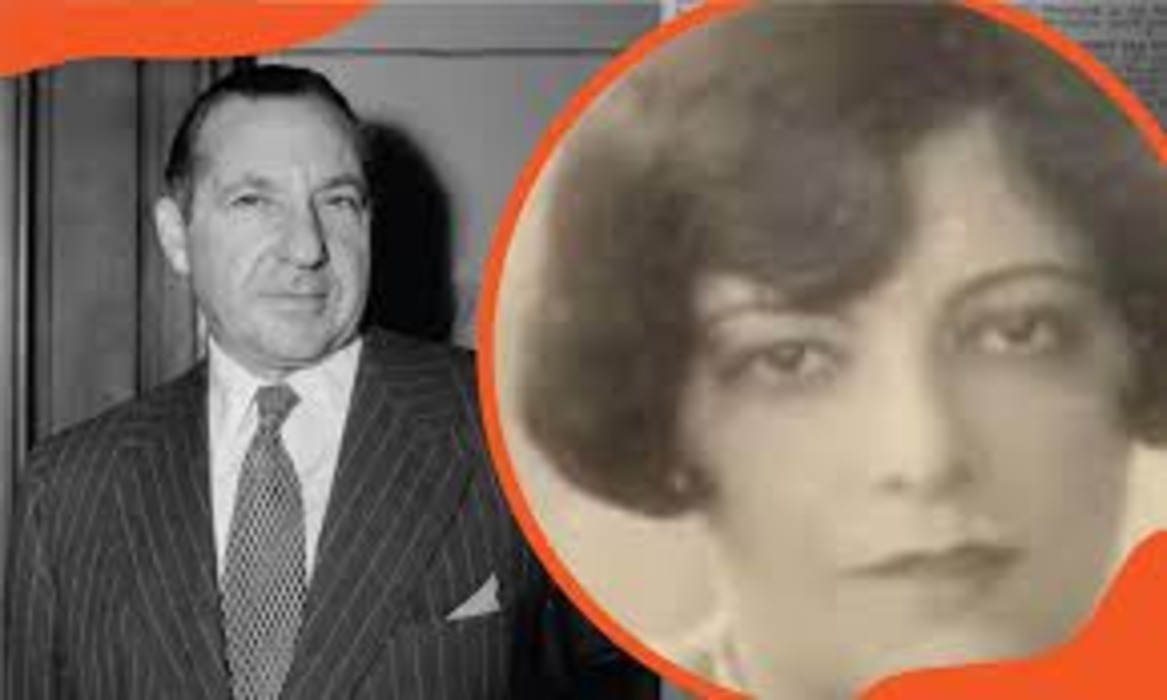
History often remembers powerful men for their influence, wealth, and notoriety. Yet behind many of those figures are individuals whose lives remain largely hidden from public view. Lauretta Giegerman is one of those names. While her husband, the infamous mob boss Frank Costello, became one of the most recognizable figures in organized crime history, Lauretta chose a completely different path — one built on privacy, restraint, and silence.
Even decades later, the name “Lauretta Giegerman” continues to spark curiosity among historians, crime enthusiasts, and digital readers searching for the untold side of America’s underworld era. Unlike the glamorous portrayals often associated with mob culture, Lauretta’s story feels remarkably human. She was not known for public appearances, political influence, or criminal involvement. Instead, she became known for her loyalty, discretion, and ability to remain composed while living beside one of the most powerful men in New York’s criminal landscape.
Her life offers a fascinating contrast to the chaos surrounding organized crime in the twentieth century.
Who Was Lauretta Giegerman?
Lauretta Giegerman was born in Manhattan, New York, on October 28, 1894, according to historical and genealogical records. She came from a Jewish family during a time when immigrant communities were shaping the identity of New York City. Much of her early life remains undocumented, but records consistently identify her parents as Jacob and Celia Giegerman.
Growing up in Manhattan during the late nineteenth century meant living in a city undergoing massive transformation. Immigration, industrial growth, political corruption, and economic hardship were all colliding in the streets of New York. Families often relied heavily on community ties, and privacy was considered a virtue rather than a branding strategy.
Unlike modern public figures, Lauretta left behind almost no interviews, memoirs, or personal statements. That silence has become part of her mystique. In many ways, her absence from public life makes her more compelling than many of the highly publicized personalities of her era.
The Woman Behind Frank Costello
Frank Costello, born Francesco Castiglia, became one of the most influential mob leaders in American history. Nicknamed the “Prime Minister of the Underworld,” Costello built enormous power through gambling operations, political connections, and alliances with major crime figures like Lucky Luciano.
But while Frank thrived in public notoriety, Lauretta did the exact opposite.
Their marriage reportedly began in 1918 and lasted more than five decades. Throughout that time, Lauretta remained remarkably absent from the spotlight. She rarely appeared in newspapers, avoided public controversies, and never became a visible figure in organized crime circles. Historians and writers continue to note how unusual this was, especially during an era when the wives of powerful men often became public extensions of their husbands’ status.
Instead, Lauretta cultivated a quiet domestic life.
That contrast created an unusual dynamic. Frank Costello operated in one of the most dangerous environments in America, yet those closest to the family often described their home life as surprisingly calm. While the outside world associated Costello with power struggles, investigations, and violence, Lauretta reportedly focused on stability and privacy.
Why Lauretta Giegerman Still Fascinates Readers
The continued interest in Lauretta Giegerman is not really about organized crime. It is about mystery.
Modern audiences are accustomed to constant visibility. Today, public figures share every milestone online, and celebrity culture rewards exposure. Lauretta belonged to a completely different generation. She managed to spend decades connected to one of America’s most famous mob bosses while revealing almost nothing about herself publicly.
That restraint feels rare today.
Part of the fascination also comes from the unanswered questions surrounding her life. Researchers still debate details about how she met Frank Costello, what her personal ambitions were, and how she handled the emotional pressure of living inside such a dangerous world.
Some accounts suggest she may have worked as a showgirl or performer in her younger years, though those claims remain difficult to fully verify. What remains consistent across most historical accounts is her preference for privacy and her deliberate distance from criminal operations.
Lauretta Giegerman’s Life at a Glance
| Key Detail | Information |
| Full Name | Lauretta Giegerman |
| Birth Date | October 28, 1894 |
| Birthplace | Manhattan, New York |
| Spouse | Frank Costello |
| Marriage Year | 1918 |
| Known For | Wife of mob boss Frank Costello |
| Public Role | Maintained an extremely private life |
| Children | None publicly documented |
| Historical Reputation | Quiet, loyal, and discreet |
Living Beside Power Without Seeking It
One of the most striking aspects of Lauretta Giegerman’s story is her refusal to embrace fame.
Many people connected to influential figures eventually become public personalities themselves. Lauretta never appeared interested in that role. There is no evidence that she tried to profit from Frank Costello’s notoriety or become socially prominent because of his influence.
That distinction matters.
In the criminal underworld of the 1930s through the 1950s, public visibility often carried serious risks. Rival gangs, law enforcement investigations, and media scrutiny created constant pressure. Remaining private may have been more than personal preference; it may also have been a survival strategy.
Frank Costello himself eventually became one of the most investigated organized crime leaders in the United States. His testimony before the Kefauver hearings in the early 1950s helped cement his public image nationwide. Yet even during those highly publicized moments, Lauretta stayed almost entirely invisible.
That ability to avoid exposure while living at the center of national attention remains remarkable.
A Marriage That Defied Expectations
Mob marriages have historically been portrayed as unstable, dramatic, and transactional. The relationship between Lauretta Giegerman and Frank Costello appears to have been unusually steady by comparison.
Most historical accounts describe their marriage as loyal and enduring. Despite Frank Costello’s criminal associations and public legal troubles, there are no major records of public scandals involving Lauretta.
Their partnership lasted until Frank Costello’s death in 1973.
That longevity raises an interesting question: what allowed their relationship to survive in an environment defined by paranoia and violence?
The answer may lie in Lauretta’s personality. Historical portrayals consistently describe her as calm, private, and emotionally grounded. Rather than becoming entangled in power dynamics, she appeared focused on maintaining a stable personal life.
For many observers, that emotional steadiness likely became one of the foundations of Frank Costello’s private world.
The Psychological Weight of Silence
Living quietly is often romanticized, but Lauretta’s silence likely carried enormous emotional weight.
Imagine spending decades beside a man constantly facing criminal investigations, political pressure, assassination threats, and betrayal. Frank Costello survived an assassination attempt in 1957, an event that reportedly changed the course of his later years.
For Lauretta, that reality would have meant living with constant uncertainty.
Yet there are no records of her publicly complaining, seeking attention, or discussing the stress attached to her husband’s world. Whether by choice or necessity, she maintained extraordinary discipline in how she presented herself.
That emotional restraint is part of what makes her story resonate today. In a culture built around oversharing, Lauretta represented the opposite approach — controlled, private, and measured.
The Legacy of Lauretta Giegerman
The legacy of Lauretta Giegerman is subtle but powerful.
She was not a policymaker, celebrity entrepreneur, or public activist. Her historical relevance comes from the way she navigated proximity to influence without becoming consumed by it.
For startup founders, entrepreneurs, and modern professionals, there is an interesting lesson hidden inside her story. Visibility is not always the same as influence. In today’s digital economy, people often assume success requires constant self-promotion. Lauretta’s life presents a different perspective — one where privacy itself becomes a form of strength.
Her story also highlights how history frequently overlooks quieter personalities. Public narratives tend to focus on dominant figures while ignoring the people who stabilized them behind the scenes.
Without seeking recognition, Lauretta became an enduring point of curiosity precisely because she remained difficult to define.
A Life Defined by Privacy
One of the reasons Lauretta Giegerman continues to intrigue readers is because her life resists modern storytelling formulas.
There is no dramatic memoir. No carefully managed media image. No public reinvention campaign.
Instead, there is silence.
And sometimes silence creates a stronger legacy than constant visibility ever could.
The limited historical record surrounding Lauretta has allowed her story to remain open to interpretation. Some see her as a loyal partner. Others view her as a symbol of resilience inside a dangerous environment. Still others are fascinated simply because she managed to remain almost entirely hidden despite being connected to one of America’s most notorious crime figures.
That mystery is unlikely to disappear anytime soon.
Conclusion
Lauretta Giegerman lived in the shadow of one of the most powerful organized crime figures in American history, yet she built her identity around privacy rather than publicity. While Frank Costello became a national headline, Lauretta remained largely unknown — a deliberate choice that continues to fascinate historians and digital readers alike.
Her story is not about fame, violence, or criminal ambition. It is about restraint, loyalty, and the quiet power of staying grounded in a world built on chaos.
In an age where visibility often feels mandatory, Lauretta Giegerman’s life serves as a reminder that influence does not always need an audience. Sometimes the people who leave the deepest impression are the ones who say the least.
Meta Description (150 characters):
Explore the life of Lauretta Giegerman, the private wife of mob boss Frank Costello, and her quiet legacy behind organized crime history.

In the history of American entertainment, some names become iconic because of the spotlight they command, while others remain quietly woven into the personal stories of legendary figures. Marge Cooney belongs to the latter category. Though she never pursued celebrity status herself, her connection to one of television’s most recognizable personalities made her a subject of enduring curiosity. Yet reducing her identity to a single relationship would overlook the deeper human story behind her life.
At a time when media culture relentlessly magnifies private lives, the story of Marge Cooney offers something refreshingly different. Her life reflects an era before social media exposure, personal branding, and public oversharing became cultural norms. Instead, she represented discretion, family values, and the kind of quiet resilience rarely discussed in modern celebrity narratives.
Understanding Marge Cooney requires looking beyond headlines and examining the social context, family dynamics, and personal choices that shaped her life.
Who Was Marge Cooney?
Marge Cooney is best known as the first wife of legendary television host and entertainer Phil Donahue. Their marriage took place long before Donahue became a household name through groundbreaking daytime television. While millions later recognized Donahue for transforming audience-driven talk shows, Marge Cooney largely stayed outside the public eye.
Born and raised in the United States, Cooney lived during a period when traditional family structures and private domestic life were deeply valued. Unlike today’s celebrity spouses who often cultivate public personas, she maintained a low profile throughout her life. This privacy has contributed to ongoing public fascination, as relatively little documented information exists about her compared to many people connected to entertainment figures.
Her story highlights an important cultural distinction between modern fame and the quieter lifestyles that preceded the internet era.
The Marriage Between Marge Cooney and Phil Donahue
The relationship between Marge Cooney and Phil Donahue began before television fame entered the picture. The couple married in 1958, during a time when Donahue was still building his broadcasting career. Like many young couples of that generation, they navigated marriage, parenthood, and professional ambitions simultaneously.
Over the years, the couple built a family together and had five children. Their marriage lasted more than a decade before eventually ending in divorce in 1975. Although public curiosity often focuses on celebrity separations, the dissolution of their marriage occurred relatively quietly compared to the highly publicized divorces common today.
The timeline below provides a quick overview of key milestones associated with Marge Cooney’s public story:
| Year | Event |
| 1958 | Marge Cooney married Phil Donahue |
| 1960s | The couple raised five children together |
| Early 1970s | Phil Donahue’s television career expanded nationally |
| 1975 | Marge Cooney and Phil Donahue divorced |
| Later Years | Cooney remained largely outside public attention |
What makes this relationship historically interesting is the timing. Cooney experienced the transition from ordinary family life into the orbit of growing media fame. That transformation often places enormous pressure on relationships, especially during eras when work-life balance in entertainment industries received far less attention than it does today.
Why Marge Cooney Continues to Attract Public Interest
Many people wonder why interest in Marge Cooney persists decades later. The answer lies partly in cultural fascination with the personal histories of influential media personalities. Audiences often seek to understand the private foundations behind public success stories.
However, Marge Cooney also represents something increasingly rare: a person connected to fame who intentionally avoided exploiting it. In modern digital culture, proximity to celebrity frequently becomes a pathway to personal influence, sponsorships, interviews, or media visibility. Cooney chose a very different route.
Her privacy created an air of mystery that naturally fuels curiosity. At the same time, that decision reflects a generational mindset in which personal dignity often meant separating family life from public attention.
This distinction matters because it reveals how dramatically society’s relationship with fame has evolved over the past several decades.
The Changing Nature of Celebrity Culture
To fully appreciate the significance of Marge Cooney’s story, it helps to examine the broader evolution of celebrity culture.
In the mid-20th century, public figures often maintained clearer boundaries between professional and personal life. Television personalities were visible on screen, but their families typically remained private unless they actively sought publicity. The entertainment industry operated with fewer media channels, limited paparazzi infrastructure, and no social media ecosystem.
Today, celebrity culture functions very differently.
Modern public figures are expected to maintain constant digital visibility. Their spouses, children, friendships, and personal routines frequently become extensions of their brand identities. Reality television, influencer marketing, and viral content have blurred the lines between public entertainment and private existence.
Marge Cooney’s life stands in sharp contrast to this environment. Rather than becoming part of a media narrative, she quietly maintained distance from public attention. That choice may seem unusual today, but during her era it reflected deeply held social values surrounding privacy and family integrity.
Family Life Beyond Public Attention
One of the most overlooked aspects of Marge Cooney’s story is her role as a mother and family figure during a transformative period in American media history.
Raising five children while navigating the demands of an emerging television career likely involved substantial sacrifices and emotional labor. In many ways, spouses of ambitious public figures often contribute indirectly to professional success by providing stability during unpredictable career growth.
While historical records about her personal perspectives remain limited, the broader context of the time suggests that maintaining household balance amid growing fame would not have been easy.
This dynamic remains relevant today. Entrepreneurs, startup founders, and executives frequently discuss the hidden pressures that career ambition places on relationships and family structures. The experiences surrounding Marge Cooney and Phil Donahue mirror many modern conversations about personal sacrifice, professional identity, and the cost of public success.
Although their marriage ultimately ended, their shared history reflects challenges that remain remarkably familiar in contemporary professional life.
Lessons Modern Professionals Can Learn from Marge Cooney
At first glance, Marge Cooney may seem disconnected from today’s startup and technology culture. Yet her story offers surprisingly relevant lessons for modern professionals navigating public visibility and personal balance.
The first lesson involves privacy. In an age where oversharing has become normalized, maintaining personal boundaries can be a strategic and emotionally healthy decision. Not every aspect of life needs to become public content.
The second lesson concerns identity. Cooney demonstrates the importance of maintaining individuality separate from a partner’s fame or career accomplishments. Modern entrepreneurial culture sometimes encourages people to tie their entire identity to a company, founder brand, or public image. Her story quietly reminds readers that personal worth does not depend on visibility.
Another important takeaway involves resilience during life transitions. Moving from ordinary life into proximity with major public success can create emotional complexity, uncertainty, and pressure. Many startup families experience similar shifts when businesses suddenly scale or founders become publicly recognized.
Finally, her story reinforces the value of dignity in difficult personal moments. Despite public interest surrounding her marriage and divorce, Marge Cooney avoided media spectacle and maintained a notably private approach throughout her life.
Media Curiosity and Historical Gaps
An interesting aspect of Marge Cooney’s legacy is how little verified public information exists about her. In many ways, this absence reflects the historical limitations of media documentation before the digital era.
Today, countless personal details become archived online almost instantly. Earlier generations often left behind far fewer public records unless they actively participated in media industries themselves.
This scarcity of information has led to occasional speculation and fragmented reporting online. However, the limited documentation also serves as a reminder that not every life story must exist in exhaustive public detail.
For historians and media observers, Marge Cooney represents a transitional figure connected to one of television’s most influential decades while remaining personally detached from celebrity culture itself.
The Enduring Relevance of Marge Cooney
The continuing interest in Marge Cooney ultimately says as much about society as it does about her personally. People remain fascinated by the untold stories surrounding influential public figures, especially individuals who consciously rejected the spotlight.
In a world driven by visibility, branding, and digital performance, quiet lives can appear unusually compelling. Cooney’s story resonates because it feels authentic, restrained, and deeply human.
Rather than chasing public recognition, she appears to have prioritized personal privacy and family life. That decision may not generate viral headlines, but it reflects values that many people still deeply respect.
Her connection to Phil Donahue ensures her place within conversations about television history, yet her broader significance comes from the contrast she provides to modern fame culture. She reminds readers that meaningful lives are not always the loudest ones.
Conclusion
Marge Cooney remains an intriguing figure precisely because she resisted becoming a public one. Known primarily through her marriage to Phil Donahue, she nonetheless represents a larger story about privacy, family, and personal dignity during a rapidly changing media era.
Her life offers insight into how celebrity culture has evolved and how individuals connected to fame once navigated public attention very differently from today’s standards. For modern readers, entrepreneurs, and professionals, her story provides thoughtful lessons about identity, boundaries, and resilience in the face of changing circumstances.
While many public figures seek constant visibility, Marge Cooney’s enduring legacy comes from the opposite approach. In choosing privacy over publicity, she created a quiet but lasting fascination that continues decades later.

In an era where celebrity culture dominates social media feeds and personal lives are often transformed into public brands, the story of Wanda Bowles stands out for an entirely different reason. While millions of people around the world recognize her half-brother, Dwayne Johnson, Wanda Bowles has intentionally remained outside the spotlight. That contrast alone makes her an intriguing figure in conversations about fame, privacy, family identity, and personal choice in the digital age.
For startup founders, entrepreneurs, and tech professionals constantly navigating visibility, branding, and public perception, the life of Wanda Bowles offers a surprisingly relevant lesson. Not everyone connected to influence seeks attention. Some individuals consciously choose privacy over publicity, even when global fame is within arm’s reach.
The fascination surrounding Wanda Bowles is not built on movie premieres, interviews, or social media campaigns. Instead, it comes from the mystery surrounding a woman connected to one of the most recognizable entertainment personalities in modern history. Her story reveals how personal values can shape a life far removed from celebrity expectations.
Who Is Wanda Bowles?
Wanda Bowles is widely known as the half-sister of Dwayne Johnson, popularly known worldwide as “The Rock.” She is the daughter of legendary wrestler Rocky Johnson and Una Sparks. Unlike her famous brother, Wanda Bowles has maintained an extremely low public profile throughout her life.
Her father, Rocky Johnson, was a pioneering professional wrestler who helped open doors for Black wrestlers in North America during the 1970s and 1980s. Long before wrestling became a billion-dollar entertainment machine, Rocky Johnson was building a reputation as a charismatic and talented athlete. His legacy later became deeply connected to the rise of his son, Dwayne Johnson, whose career expanded beyond wrestling into Hollywood, business, and global entrepreneurship.
Yet Wanda Bowles chose a different path entirely.
While celebrity relatives often become public figures by association, Wanda remained absent from interviews, television appearances, and entertainment headlines. In many ways, her life represents a counter-narrative to modern fame culture.
Growing Up Connected to Wrestling Royalty
To understand Wanda Bowles, it helps to understand the family environment surrounding her early years. Professional wrestling during Rocky Johnson’s era demanded constant travel, physical sacrifice, and long periods away from home. Families connected to the wrestling business often lived under unique pressures that few outsiders fully understood.
Rocky Johnson, born Wayde Douglas Bowles, built his career during a transformative period in wrestling history. His accomplishments eventually positioned the Johnson family as part of wrestling royalty. However, fame at that level often comes with personal complications, including strained relationships and fragmented family structures.
Wanda Bowles and her brother Curtis Bowles were born from Rocky Johnson’s earlier relationship with Una Sparks. Years later, Rocky Johnson married Ata Johnson, and Dwayne Johnson was born into a family already connected to wrestling tradition.
Unlike Dwayne Johnson, who embraced entertainment and public life from an early age, Wanda Bowles appears to have preferred stability and privacy over exposure. That decision became increasingly significant as her brother’s global fame skyrocketed.
Why the Public Is Fascinated by Wanda Bowles
The public fascination with Wanda Bowles reflects a broader cultural curiosity about hidden stories behind major celebrities. Audiences are naturally interested in understanding the personal environments that shape globally recognized figures.
However, Wanda Bowles attracts attention precisely because she does not seek it.
In today’s digital economy, visibility is often treated as currency. Influencers monetize attention. Founders build personal brands. Executives cultivate online authority. Against that backdrop, someone choosing intentional privacy becomes unusual.
That choice makes Wanda Bowles relevant beyond celebrity gossip. Her story taps into deeper conversations about identity, boundaries, and the pressure to perform publicly in the internet era.
Consider how modern professionals operate today. Entrepreneurs are expected to maintain LinkedIn authority, startup founders build audiences on X and podcasts, and executives increasingly become public-facing personalities. Visibility is now considered a strategic advantage.
Yet Wanda Bowles demonstrates another possibility: maintaining personal autonomy without participating in constant public exposure.
The Contrast Between Wanda Bowles and Dwayne Johnson
The contrast between Wanda Bowles and Dwayne Johnson could not be more striking. One became a global entertainment icon with millions of followers across multiple platforms. The other chose near-total privacy.
The difference highlights how family background alone does not determine personal ambition or lifestyle preferences.
Here is a quick comparison that illustrates the contrast:
| Aspect | Wanda Bowles | Dwayne Johnson |
| Public Visibility | Extremely private | Global celebrity |
| Career Exposure | Unknown to the public | Actor, entrepreneur, wrestler |
| Media Presence | Minimal | Constant global coverage |
| Social Media Activity | Not publicly visible | Massive online following |
| Public Branding | None | Billion-dollar personal brand |
| Lifestyle Approach | Private and reserved | Highly public and commercial |
This contrast is particularly interesting in the context of modern entrepreneurship. Today’s business ecosystem often rewards visibility and storytelling. Yet many successful professionals still value privacy and quiet influence over public recognition.
Wanda Bowles symbolizes that quieter path.
Privacy in the Digital Age
The story of Wanda Bowles also reflects a growing tension in modern society: the balance between personal privacy and digital visibility.
Over the last decade, the rise of social platforms transformed how individuals manage identity. Public exposure is no longer limited to celebrities. Professionals, creators, and entrepreneurs all face increasing pressure to remain visible online.
For some, that visibility creates opportunity. For others, it becomes emotionally exhausting.
Wanda Bowles represents a rare example of someone connected to enormous fame who still avoided becoming part of the public entertainment ecosystem. That is increasingly difficult in a world where even distant relatives of celebrities often become internet personalities.
Her approach raises important questions:
How much visibility is truly necessary for fulfillment? Can influence exist without public attention? Is privacy becoming a luxury in the digital era?
These are questions many founders and professionals quietly ask themselves today.
Family Legacy and Personal Identity
One of the most compelling aspects of Wanda Bowles’ story is the idea of identity outside family legacy.
Being related to a global superstar can easily overshadow personal individuality. Public perception often reduces relatives to supporting characters within a celebrity narrative. Yet Wanda Bowles appears to have resisted that dynamic entirely.
She did not attempt to leverage the Johnson family name for entertainment exposure, public business ventures, or influencer culture. Instead, she remained separate from the machinery surrounding celebrity branding.
That decision deserves attention because it reflects strong personal boundaries.
In many industries, particularly tech and entertainment, people often feel pressured to capitalize on every available connection. Networking culture rewards association. Visibility drives opportunity. Family ties can become strategic assets.
But Wanda Bowles seemingly chose personal peace over public leverage.
That choice may explain why interest in her continues to grow. People recognize authenticity when they see it, even indirectly.
Lessons Entrepreneurs Can Learn from Wanda Bowles
Although Wanda Bowles is not a public entrepreneur or business figure, her story still offers meaningful lessons for professionals and founders.
The first lesson is that personal success does not always require public validation. In startup culture, there is enormous pressure to constantly demonstrate progress, visibility, and influence. Yet many fulfilled individuals build meaningful lives quietly.
The second lesson involves boundaries. Maintaining privacy in an attention-driven economy requires discipline. Wanda Bowles demonstrates that it is still possible to separate personal life from public narratives.
The third lesson concerns identity. Too often, people define themselves entirely through professional reputation or external recognition. Wanda Bowles reminds us that identity can exist independently from fame, status, or internet attention.
Finally, her story reinforces the idea that not every valuable life becomes visible online.
The Continuing Curiosity Around Wanda Bowles
Despite her privacy, interest in Wanda Bowles continues to rise online. Search trends and entertainment articles increasingly mention her when discussing the broader Johnson family story. Much of that curiosity comes from the natural human tendency to explore hidden or lesser-known narratives connected to major public figures.
At the same time, the limited information available about her contributes to her mystique. In a world overloaded with content, mystery itself becomes compelling.
Ironically, by avoiding publicity, Wanda Bowles became more interesting to many audiences.
That dynamic says a lot about modern culture. Oversharing has become normalized, making restraint feel rare and intriguing.
Conclusion
The story of Wanda Bowles is not one of blockbuster fame, startup valuations, or social media influence. Instead, it is a story about privacy, personal choice, and living outside the gravitational pull of celebrity culture.
As the half-sister of Dwayne Johnson, she could have embraced public attention. She could have participated in interviews, entertainment media, or online branding opportunities. Instead, Wanda Bowles chose a quieter path.
For today’s entrepreneurs, founders, and digital professionals, that decision carries unexpected relevance. In an economy driven by visibility, her life serves as a reminder that privacy still has value. Not every meaningful life is publicly documented. Not every successful person seeks recognition.
Sometimes, the most powerful statement is choosing not to participate in the noise at all.
And perhaps that is exactly why Wanda Bowles continues to capture public curiosity.
-

 Blog3 months ago
HHKTHK: Decoding Digital Noise and Strategic Signals in Modern Tech
-

 Blog3 months ago
Lollitip: How Innovative Design is Transforming Consumer Experience
-

 Blog3 months ago
hellooworl: The Mindset Behind Building What the World Hasn’t Seen Yet
-

 Blog3 months ago
From Blog PlayBattleSquare: How Competitive Gaming Platforms Are Shaping the Future of Digital Communities
-

 Blog3 months ago
Simbramento: A New Strategic Model for Scalable Digital Growth
-

 Blog3 months ago
Calesshop: Redefining Digital Commerce for Modern Entrepreneurs
-

 Blog3 months ago
Babybelletje: Designing Micro-Connection Moments in a Hyper-Digital World
-

 Blog3 months ago
Xaicotum: The Emerging Digital Framework Redefining Startup Innovation