
Uncategorized
Polyhister Arena: The Emerging Concept of Digital Competition Immersive Platforms and Next-Gen Virtual Ecosystems


In the evolving landscape of digital innovation, the term polyhister arena has begun to surface in discussions around immersive environments, competitive digital platforms, and next-generation virtual ecosystems. While still an emerging and loosely defined concept, polyhister arena represents a powerful idea: a unified digital space where competition, collaboration, simulation, and real-time interaction converge into a single adaptive environment.
For startup founders, entrepreneurs, and tech professionals, understanding the idea behind polyhister arena is less about literal definition and more about strategic interpretation. It reflects where digital ecosystems are heading—toward highly interactive, multi-layered platforms that combine gaming mechanics, AI-driven systems, and real-time data engagement.
In practical terms, polyhister arena can be seen as a conceptual blueprint for the future of digital arenas where users don’t just participate—they evolve within the system itself.
Understanding the Concept Behind Polyhister Arena
At its core, polyhister arena can be interpreted as a multi-domain digital environment designed to support layered interactions. The prefix “poly” suggests multiplicity, while “arena” implies a structured competitive or interactive space. Together, they point toward a system where multiple participants, data streams, and interactive models coexist.
Unlike traditional platforms that serve a single purpose—such as gaming, education, or simulation—a polyhister arena blends these experiences into a unified structure.
This means users might simultaneously:
Compete in challenges
Collaborate on shared tasks
Interact with AI-driven environments
Analyze real-time performance data
The result is not just a platform, but an evolving digital ecosystem.
Why Polyhister Arena Matters in Modern Technology
Modern digital systems are rapidly shifting toward convergence. Instead of isolated applications, users now expect integrated environments where everything connects seamlessly.
The concept of polyhister arena reflects this shift by introducing a layered experience model:
Dynamic user participation
AI-driven environment adjustments
Multi-user real-time interaction
Gamified digital ecosystems
For example, platforms like Fortnite have already demonstrated how gaming environments can evolve into social, creative, and commercial ecosystems.
Polyhister arena expands this idea beyond gaming into broader digital infrastructure.
The Structural Layers of a Polyhister Arena
To understand how a polyhister arena might function, it helps to break it down into structural layers. Each layer contributes to the overall experience, creating a dynamic and responsive system.
At the foundation is the data layer, which collects and processes user interactions. Above that sits the logic layer, where rules, AI models, and system behaviors are defined. Finally, the experience layer presents everything to the user in a visually immersive format.
This layered structure allows for constant adaptation based on user activity and system feedback.
Table: Core Components of a Polyhister Arena System
| Component Layer | Function Description | Technology Used | User Impact |
|---|---|---|---|
| Data Layer | Collects user and system data | Big data, cloud storage | Real-time responsiveness |
| Logic Layer | Defines rules and AI behavior | Machine learning models | Adaptive system behavior |
| Interaction Layer | Manages user engagement | APIs, multiplayer engines | Seamless user participation |
| Experience Layer | Visual and immersive interface | VR/AR, game engines | Engaging digital environment |
| Analytics Layer | Tracks performance and outcomes | AI analytics tools | Personalized insights |
This structure shows how polyhister arena could operate as a full-stack digital ecosystem rather than a single-purpose application.
AI as the Core Driver of Polyhister Arena
Artificial intelligence plays a central role in making polyhister arena environments dynamic and responsive. Without AI, such systems would remain static and predictable.
AI enables:
Adaptive difficulty scaling in real time
Behavioral prediction of users
Dynamic environment changes
Personalized user experiences
In advanced implementations, AI could even modify the structure of the arena itself based on collective user behavior, creating a constantly evolving environment.
This level of adaptability is what sets polyhister arena apart from traditional digital platforms.
Gamification and User Engagement
One of the defining features of polyhister arena is gamification. Even outside of gaming contexts, gamification techniques are used to increase engagement, motivation, and retention.
In a polyhister arena environment, users might:
Earn rewards for completing challenges
Compete in leaderboard-based systems
Unlock new interaction layers
Collaborate in team-based missions
This creates a feedback loop where engagement drives progression, and progression unlocks deeper system interaction.
Platforms like Roblox already demonstrate how user-generated content and gamified ecosystems can scale globally.
Polyhister arena extends this concept into more complex, multi-domain environments.
Real-Time Interaction and Digital Fluidity
A key characteristic of polyhister arena systems is real-time responsiveness. Unlike traditional platforms where updates occur in cycles, these systems evolve continuously.
This means:
User actions immediately influence the environment
System states update dynamically
Other participants experience real-time changes
AI adjusts conditions instantly
This creates what can be described as “digital fluidity,” where the environment behaves less like software and more like a living system.
The Role of Virtual and Augmented Reality
Immersive technologies such as VR and AR are likely to play a significant role in future polyhister arena systems.
These technologies allow users to:
Enter fully immersive environments
Interact with 3D objects and simulations
Collaborate in shared virtual spaces
Experience spatial computing interfaces
As hardware becomes more accessible, polyhister arena-style platforms could become mainstream interactive environments rather than niche applications.
Economic Opportunities in Polyhister Arena Systems
From a business perspective, polyhister arena represents a significant opportunity for startups and digital entrepreneurs.
Potential monetization models include:
Subscription-based access
In-platform digital economies
NFT or digital asset systems
Performance-based rewards
Enterprise simulation services
This mirrors trends seen in large-scale digital ecosystems where user engagement directly drives economic value.
The challenge for founders lies in building systems that balance engagement with scalability.
Table: Potential Use Cases of Polyhister Arena
| Industry Sector | Application Example | Benefit Gained |
|---|---|---|
| Gaming | Competitive immersive worlds | High user engagement |
| Education | Interactive learning simulations | Improved retention |
| Corporate Training | Real-time scenario modeling | Skill development |
| Healthcare Simulation | Virtual diagnostics training | Risk-free practice environments |
| Product Design | Collaborative 3D prototyping | Faster iteration cycles |
This demonstrates how polyhister arena concepts can extend beyond entertainment into real-world applications.
Challenges in Building Polyhister Arena Systems
Despite its potential, building a polyhister arena system comes with significant challenges:
High computational requirements
Complex system architecture
Data privacy and security concerns
Scalability limitations
User behavior unpredictability
Each of these challenges must be addressed through careful engineering and ethical design practices.
The Future of Polyhister Arena
Looking ahead, polyhister arena could evolve into a foundational model for next-generation digital ecosystems. As AI, cloud computing, and immersive technologies advance, the boundaries between physical and digital environments will continue to blur.
Future systems may include:
Fully autonomous digital arenas
AI-generated environments in real time
Cross-platform immersive ecosystems
Persistent shared virtual worlds
In this future, users will not simply interact with platforms—they will exist within them.
Conclusion
The concept of polyhister arena represents a forward-looking vision of digital ecosystems where interaction, intelligence, and immersion converge. While still emerging as a term, it captures a powerful direction in technology: the shift toward adaptive, multi-layered, and fully integrated digital environments.
For entrepreneurs and tech professionals, this concept is more than theoretical—it is a blueprint for future innovation. As platforms evolve toward greater complexity and interactivity, the principles behind polyhister arena will likely influence everything from gaming and education to enterprise systems and virtual collaboration.
Understanding this shift today means being prepared for the digital ecosystems of tomorrow—where arenas are no longer static spaces, but living, evolving systems of intelligence and interaction.





In a digital world where a single word can evolve into a brand, a signal, or even a movement, senaven stands out as a compelling example of how modern identities are formed online. Whether encountered as a username, a project name, or a conceptual brand, senaven reflects a broader shift in how digital presence is created, discovered, and interpreted across platforms.
For startup founders, entrepreneurs, and tech professionals, this is more than an abstract idea. The emergence of identifiers like senaven highlights a critical reality: visibility in the digital economy is no longer tied solely to traditional branding strategies. Instead, it is shaped by search behavior, algorithmic ranking, and the ability to create meaning around a name.
Understanding this shift is essential for anyone building products, communities, or digital-first businesses.
What Senaven Represents in the Digital Ecosystem
At its core, senaven can be understood as a flexible digital identifier—one that may not yet have a universally defined meaning but carries the potential to evolve into a recognizable brand or concept.
This is increasingly common in today’s internet landscape. Names often appear before they are fully contextualized. They gain traction through mentions, searches, and content associations, gradually forming an identity over time.
For example, a term like senaven could originate from a startup idea, a creative project, or even a personal brand. As it spreads across platforms, it begins to accumulate context—articles, social mentions, and user engagement all contribute to its evolving narrative.
For founders, this highlights an important insight: brand identity is no longer built only through deliberate messaging. It is co-created by systems, users, and algorithms.
The Rise of Abstract Branding and Why Senaven Fits the Trend
One of the defining trends in modern branding is the move toward abstract, invented names. Companies are increasingly choosing unique, non-dictionary terms to stand out in crowded markets.
Senaven fits perfectly within this trend. It is distinctive, memorable, and open-ended—qualities that make it adaptable across industries.
There are several reasons why abstract branding is gaining popularity:
First, availability. Traditional names are often already taken across domains and social platforms. Unique terms provide more flexibility.
Second, scalability. Abstract names can expand beyond their original meaning as a company grows.
Third, algorithmic advantage. Search engines and digital platforms can more easily associate unique keywords with specific entities.
For entrepreneurs, senaven represents the kind of naming strategy that aligns with modern digital discovery systems.
Senaven and the Mechanics of Online Visibility
Visibility is the currency of the digital economy. Without it, even the most innovative ideas struggle to gain traction. The keyword senaven illustrates how visibility begins at the intersection of content, search behavior, and platform algorithms.
When a term starts appearing in searches or content, it enters a feedback loop:
- Users encounter the term
- Curiosity drives additional searches
- Content creators reference the term
- Search engines index and rank new content
- Visibility increases further
This cycle transforms a simple word into a recognized digital entity.
For tech professionals, this process is closely tied to how search engines and recommendation systems operate. Algorithms prioritize relevance, engagement, and consistency. A unique term like senaven benefits from reduced competition, making it easier to dominate search results with the right content strategy.
Building Meaning Around Senaven: A Strategic Approach
One of the most important aspects of developing a digital identity is creating meaning. A name alone is not enough—it must be supported by a clear narrative and consistent messaging.
For a term like senaven, this means defining what it represents. Is it a technology platform? A creative brand? A community initiative? The answer will shape how the name is perceived and adopted.
Building meaning involves several key steps:
- Creating foundational content that explains the concept
- Establishing a presence across relevant platforms
- Maintaining consistency in tone and messaging
- Engaging with audiences to reinforce identity
Over time, these efforts transform senaven from a keyword into a recognizable brand.
The Role of Data and Analytics in Shaping Senaven
In the digital era, identity is data-driven. Every interaction—searches, clicks, shares—contributes to how a term is understood and ranked.
For senaven, analytics play a critical role in shaping its trajectory. By tracking engagement metrics, content performance, and search trends, creators can refine their strategy and strengthen their digital presence.
The table below outlines key metrics that influence digital identity growth:
| Metric | What It Measures | Impact on Senaven |
|---|---|---|
| Search Volume | Number of searches for the term | Indicates growing interest |
| Click-Through Rate | Engagement with search results | Signals relevance to algorithms |
| Content Mentions | Frequency across platforms | Expands visibility footprint |
| Social Engagement | Likes, shares, comments | Amplifies reach |
| Backlinks | References from other sites | Builds authority and credibility |
These metrics provide a roadmap for turning senaven into a strong digital asset.
Senaven in the Context of Startup Branding
For startups, naming is one of the most critical early decisions. A name like senaven offers both advantages and challenges.
On the positive side, it is unique and flexible. It can be shaped to fit different industries, from technology to design to media. This makes it ideal for companies that anticipate growth and diversification.
However, the lack of inherent meaning also requires more effort in storytelling. Founders must invest in building context and educating their audience.
This is where many startups succeed or fail. A strong narrative can elevate an abstract name into a powerful brand, while weak messaging can leave it undefined and forgettable.
In this sense, senaven represents both an opportunity and a responsibility.
Challenges in Establishing a Digital Identity Like Senaven
While the potential of senaven is clear, the path to recognition is not without obstacles.
One challenge is initial obscurity. Without existing associations, it can take time for a new term to gain traction.
Another challenge is consistency. Inconsistent messaging across platforms can dilute the identity and confuse audiences.
There is also the risk of misinterpretation. Without clear context, users may assign their own meanings, which may not align with the intended narrative.
Finally, competition for attention remains a constant challenge. Even unique terms must compete within a crowded digital landscape.
Addressing these challenges requires a deliberate and sustained strategy.
The Future of Digital Identity and the Role of Senaven
As technology continues to evolve, the way digital identities are formed and managed will become increasingly sophisticated. Artificial intelligence, personalized search, and decentralized identity systems will all play a role in shaping this future.
In this context, terms like senaven will become more than just names. They will function as nodes within larger digital ecosystems, connected to data, content, and user interactions.
We may also see greater integration between platforms, allowing identities to remain consistent across environments. This will make it easier for emerging brands to establish a unified presence.
For founders and tech professionals, the key takeaway is clear: the ability to create and manage digital identity will be a core competency in the years ahead.
Conclusion
The story of senaven is not just about a single keyword—it is about the evolving nature of identity in a digital-first world. In an environment where visibility is driven by algorithms and engagement, even the simplest term can become a powerful brand with the right strategy.
For entrepreneurs, the lesson is both practical and strategic. Naming is no longer just a creative exercise—it is a foundational element of digital positioning. Building meaning, maintaining consistency, and leveraging data are all essential for success.
As the digital landscape continues to expand, those who understand how to shape identity—from the ground up—will have a significant advantage.
In that sense, senaven represents not just a name, but a blueprint for how modern brands are born.
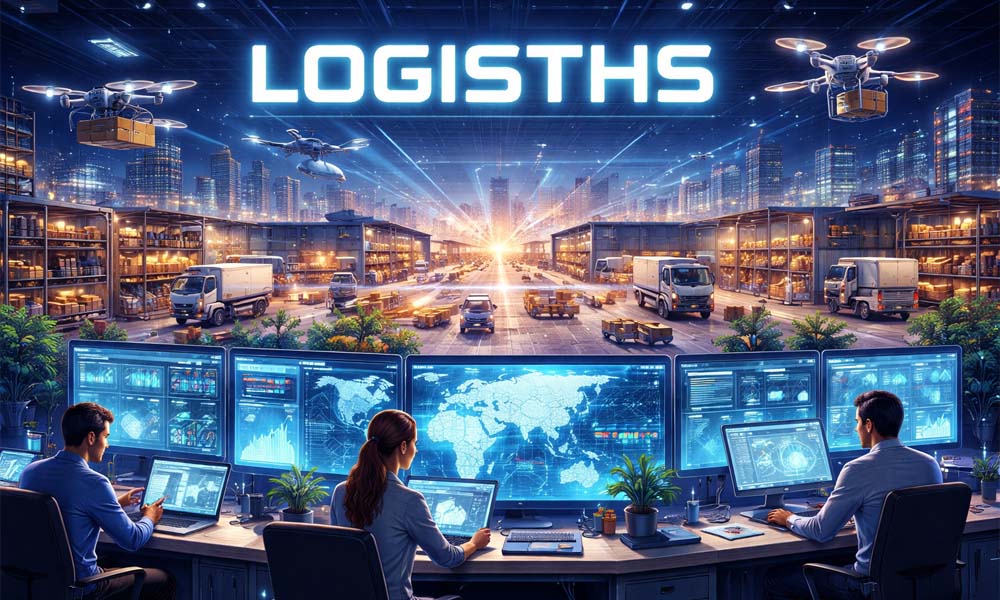
In an era where speed, efficiency, and precision define competitive advantage, the logistics industry is undergoing a profound transformation. At the center of this shift is an emerging concept known as logisths. While the term may appear unfamiliar, it represents a new way of thinking about logistics—one that blends data intelligence, automation, and strategic coordination into a unified system. For startup founders, entrepreneurs, and tech professionals, understanding logisths is becoming increasingly important as supply chains evolve into complex, technology-driven ecosystems.
The modern economy demands more than just moving goods from point A to point B. Businesses now require visibility, adaptability, and predictive capabilities. This is where logisths comes into play, offering a framework that reimagines logistics as a dynamic and intelligent network rather than a linear process.
Understanding Logisths in a Real-World Context
To fully appreciate the significance of logisths it helps to consider the challenges faced by today’s businesses. Globalization, e-commerce growth, and rising customer expectations have placed immense pressure on supply chains. Delays, inefficiencies, and lack of transparency can quickly translate into lost revenue and damaged reputations.
Logisths addresses these challenges by integrating advanced technologies such as data analytics, artificial intelligence, and real-time tracking into logistics operations. Instead of reacting to problems as they arise, businesses can anticipate disruptions and make informed decisions proactively.
For example, an e-commerce startup using a logisths-driven approach can monitor inventory levels, predict demand fluctuations, and optimize delivery routes in real time. This not only improves efficiency but also enhances the customer experience—a critical factor in today’s competitive market.
The Evolution from Traditional Logistics to Logisths
Traditional logistics systems were primarily focused on transportation and storage. While these functions remain essential, they are no longer sufficient on their own. The shift toward logisths reflects a broader transformation in how businesses view supply chain management.
In the past, logistics was often treated as a backend operation. Today, it is a strategic function that directly impacts customer satisfaction and business growth. Logisths elevates logistics to a central role by incorporating intelligence and connectivity into every stage of the process.
This evolution is driven by the need for agility. Markets are changing faster than ever, and businesses must be able to adapt quickly. By leveraging real-time data and predictive analytics, logisths enables organizations to respond to changes with speed and precision.
Why Logisths Matters for Startups and Tech Professionals
For startups, adopting a logisths approach can provide a significant competitive advantage. Unlike established companies with legacy systems, startups have the flexibility to build modern, technology-driven logistics frameworks from the ground up.
This flexibility allows them to implement innovative solutions such as automated warehouses, smart inventory systems, and AI-powered forecasting tools. As a result, they can operate more efficiently and scale more effectively.
Tech professionals also play a crucial role in this transformation. Developing and managing logisths systems requires expertise in data science, software engineering, and systems integration. This creates opportunities for innovation and career growth in a rapidly evolving field.
Moreover, logisths aligns closely with the broader trend of digital transformation. As businesses across industries embrace technology, the ability to integrate logistics with other functions—such as marketing, sales, and customer service—becomes increasingly valuable.
Core Components of a Logisths Framework
At its foundation, logisths is built on several key components that work together to create an intelligent logistics system.
One of the most important elements is data integration. By consolidating information from various sources, businesses can gain a comprehensive view of their operations. This enables better decision-making and improved coordination.
Another critical component is automation. From warehouse operations to transportation management, automation reduces manual effort and increases efficiency. It also minimizes errors, which can have significant financial implications.
Predictive analytics is another defining feature of logisths. By analyzing historical data and identifying patterns, businesses can forecast demand, optimize inventory levels, and anticipate potential disruptions.
Finally, real-time visibility ensures that all stakeholders have access to up-to-date information. This transparency is essential for maintaining trust and ensuring smooth operations.
Comparing Traditional Logistics and Logisths
To better understand the impact of this shift, consider the following comparison:
| Aspect | Traditional Logistics | Logisths Approach |
|---|---|---|
| Focus | Transportation and storage | End-to-end intelligence and optimization |
| Decision-Making | Reactive | Predictive and data-driven |
| Technology Use | Limited | Advanced and integrated |
| Visibility | Fragmented | Real-time and comprehensive |
| Scalability | Challenging | Flexible and scalable |
This comparison highlights how logisths transforms logistics from a functional necessity into a strategic advantage.
Practical Applications of Logisths
The principles of logisths can be applied across a wide range of industries. In e-commerce, it enables faster and more reliable deliveries. In manufacturing, it improves supply chain coordination and reduces downtime. In healthcare, it ensures the timely distribution of critical supplies.
For entrepreneurs, the practical implications are clear. By adopting a logisths approach, they can streamline operations, reduce costs, and enhance customer satisfaction. This not only improves profitability but also strengthens brand reputation.
One real-world example is the use of smart routing systems. By analyzing traffic patterns, weather conditions, and delivery schedules, these systems can determine the most efficient routes for transportation. This reduces fuel consumption, lowers costs, and improves delivery times.
Another application is inventory optimization. By using predictive analytics, businesses can maintain optimal stock levels, reducing the risk of overstocking or stockouts.
Challenges in Implementing Logisths
Despite its many advantages, implementing logisths is not without challenges. One of the primary obstacles is the complexity of integrating multiple technologies and systems. This requires careful planning and execution.
Data security is another concern. As logistics systems become more connected, they also become more vulnerable to cyber threats. Ensuring robust security measures is essential to protect sensitive information.
There is also the challenge of change management. Transitioning from traditional logistics to a logisths framework requires a shift in mindset and processes. Employees must be trained to adapt to new technologies and workflows.
However, these challenges can be overcome with the right strategy and resources. The long-term benefits of logisths far outweigh the initial difficulties.
The Future of Logisths in Digital Transformation
Looking ahead the role of logisths is expected to grow even more significant. As technologies such as artificial intelligence, the Internet of Things (IoT) and blockchain continue to evolve they will further enhance the capabilities of logistics systems.
For example, IoT devices can provide real-time data on the condition and location of goods, while blockchain can ensure transparency and security in supply chain transactions. These innovations will make logisths even more powerful and efficient.
Sustainability is another area where logisths can have a major impact. By optimizing routes and reducing waste, businesses can minimize their environmental footprint while maintaining high levels of performance.
For startups and tech professionals, this presents an exciting opportunity to shape the future of logistics. By embracing logisths, they can drive innovation and create solutions that meet the demands of a rapidly changing world.
Conclusion
Logisths represents a new frontier in logistics one that combines technology data and strategy to create intelligent and adaptive systems. It transforms logistics from a support function into a core driver of business success.
For entrepreneurs the message is clear: the future of logistics is not just about movement it’s about intelligence. By adopting a logisths approach, businesses can unlock new levels of efficiency scalability and customer satisfaction.
In a digital economy where every second counts those who embrace logisths will be better positioned to navigate complexity and seize opportunities. The journey may require investment and effort, but the rewards are well worth it.

In an era where sustainability reports shape investor confidence and consumers scrutinize supply chains as closely as product labels, few industries illustrate responsible resource management better than the story of alaskan seiti. Known globally as Alaska pollock, alaskan seiti has quietly become one of the most important and sustainably managed fisheries in the world.
For startup founders, entrepreneurs, and tech professionals, this may seem far removed from SaaS platforms or AI development. But look closer. The journey of alaskan seiti—from cold northern waters to global markets—offers a compelling blueprint for scalable growth, operational discipline, and long-term thinking. It is a lesson in how natural resources, technology, and business strategy intersect.
What Is Alaskan Seiti and Why It Matters
Alaskan seiti refers to wild Alaska pollock harvested primarily from the Bering Sea. It is a mild, white fish prized for its versatility, lean protein content, and adaptability in food production. It appears in everything from frozen fillets and fish sticks to premium restaurant dishes.
Unlike many fisheries around the world that struggle with overexploitation, alaskan seiti is managed under one of the most rigorous regulatory frameworks globally. Catch limits are science-driven, reviewed annually, and enforced strictly to maintain ecological balance.
That disciplined oversight has allowed the fishery to remain both profitable and sustainable—a rare combination in natural resource industries.
The Business Blueprint Behind Alaskan Seiti
When founders discuss sustainable scaling, they often mean expanding without compromising quality or ethics. The alaskan seiti industry embodies this principle.
The fishery operates on a quota-based management system. Scientists assess fish populations annually and determine allowable catch limits that protect long-term stock health. This prevents the boom-and-bust cycles that have devastated other fisheries worldwide.
For entrepreneurs, this structure mirrors effective growth strategy. Overextending resources may generate short-term revenue but erodes long-term viability. Sustainable scaling requires discipline, data, and restraint.
In other words, responsible growth beats reckless expansion.
Technology Driving the Alaskan Seiti Industry
Modern fishing fleets are no longer low-tech operations. Advanced sonar systems identify fish schools with precision, reducing unnecessary fuel consumption. Onboard processing facilities clean and flash-freeze fish within hours of harvest, preserving freshness and minimizing waste.
Data analytics plays a central role in ecosystem monitoring. Regulators use satellite tracking, onboard observers, and real-time reporting to ensure compliance with quotas.
For tech professionals, this integration of digital systems into traditional industries highlights a broader truth: innovation transforms even the oldest economic sectors.
Technology does not replace stewardship—it strengthens it.
Nutritional Value and Market Demand
Alaskan seiti’s commercial success is not based solely on sustainability. Its nutritional profile makes it appealing to health-conscious consumers. The fish is low in fat, high in protein, and rich in essential nutrients such as vitamin B12 and selenium.
Its mild flavor makes it a versatile base for product development. Food manufacturers rely on its adaptability to create diverse offerings for global markets.
For entrepreneurs operating in food tech or wellness industries, adaptability is crucial. Products that integrate seamlessly into varied consumer lifestyles scale more effectively.
Alaskan seiti achieves this balance: sustainable sourcing paired with practical utility.
Supply Chain Efficiency: A Model of Vertical Integration
One of the most impressive aspects of the alaskan seiti industry is its supply chain design. Much of the processing occurs at sea, directly after harvest. This reduces transportation time and preserves quality.
Below is a simplified look at how alaskan seiti moves from ocean to consumer:
| Stage | Core Activity | Strategic Advantage |
| Scientific Assessment | Annual stock evaluation | Long-term sustainability |
| Regulated Harvesting | Quota-based fishing operations | Prevents overfishing |
| At-Sea Processing | Cleaning, filleting, flash freezing | Maintains freshness, reduces waste |
| Global Distribution | Export to manufacturers and retailers | Expands market reach |
| Retail & Food Service | Packaging, branding, consumer sales | Value creation and differentiation |
For founders analyzing supply chains, this structure offers a valuable lesson. Integrating operations reduces inefficiency and increases quality control.
Vertical coordination enhances resilience.
Environmental Stewardship and Ecosystem Protection
Sustainability within the alaskan seiti fishery extends beyond simple quotas. The industry operates under ecosystem-based management practices, which consider the broader marine environment, including bycatch reduction and habitat protection.
This comprehensive approach recognizes that fisheries do not operate in isolation. Ocean health depends on interconnected species and environmental stability.
For ESG-focused investors, this holistic framework signals long-term viability. Companies aligned with responsible fisheries often benefit from strong reputational capital.
In business, systems thinking creates durability. The same applies to ecosystems.
Economic Impact on Coastal Communities
The alaskan seiti industry supports thousands of jobs in harvesting, processing, logistics, and export operations. Coastal communities in Alaska rely heavily on fishing revenues.
Unlike volatile industries susceptible to rapid technological disruption, responsibly managed fisheries offer stable economic foundations.
For entrepreneurs who prioritize impact alongside profitability, this example is instructive. Economic growth does not need to come at the expense of environmental health.
Balanced incentives create sustainable prosperity.
Alaskan Seiti and Global Trade Dynamics
Global demand for seafood continues to rise as populations grow and protein consumption increases. Alaskan seiti occupies a strategic position in this market because of its abundance and responsible management.
Trade agreements and export networks allow the fish to reach Asia, Europe, and North America efficiently. Its reputation for sustainability enhances its competitive positioning.
For founders navigating international markets, this demonstrates the power of trust-based branding. When a product is known for quality and responsibility, market access expands naturally.
Reputation reduces friction.
Challenges Facing the Alaskan Seiti Industry
No industry is immune to external pressures. Climate change poses potential risks to ocean temperatures and fish migration patterns. Trade fluctuations can impact export volumes. Regulatory changes may affect operational costs.
However, the strength of the alaskan seiti sector lies in its adaptive governance. Continuous scientific monitoring allows for responsive quota adjustments.
This adaptability mirrors agile methodology in tech development. Rather than reacting after damage occurs, proactive data collection informs preventative decisions.
Resilience depends on preparation.
Lessons for Startup Founders and Tech Leaders
The story of alaskan seiti offers unexpected but valuable parallels for modern entrepreneurs.
First, disciplined resource management sustains growth. Short-term exploitation undermines longevity.
Second, data-driven oversight strengthens trust. Transparent systems reduce uncertainty for stakeholders.
Third, vertical integration increases efficiency and quality control.
Fourth, sustainability enhances brand equity in global markets.
Whether building a SaaS platform or managing a fisheries operation, these principles apply.
Business success increasingly depends on long-term thinking.
The Consumer Perspective: Trust and Transparency
Today’s consumers demand accountability. Certifications and eco-labels associated with alaskan seiti provide assurance that environmental standards are upheld.
Transparency builds loyalty. In an age of misinformation and greenwashing, verified practices matter.
For startup founders, the takeaway is clear: align operational integrity with brand messaging. Authenticity is difficult to fabricate and easy to lose.
Consumers reward companies that demonstrate consistent values.
Conclusion: Why Alaskan Seiti Is More Than Seafood
At first glance, alaskan seiti is simply a white fish harvested in northern waters. But beneath that surface lies a powerful case study in sustainable growth, technological integration, and responsible commerce.
For entrepreneurs and tech professionals, its story underscores essential principles: measure before scaling, protect core resources, integrate systems efficiently, and build trust through transparency.
In a global economy increasingly defined by sustainability metrics and ESG accountability, industries that balance profit with preservation will lead.
Alaskan seiti stands as proof that economic success and environmental stewardship are not mutually exclusive.
And for modern leaders navigating complex markets, that lesson is worth bringing to the table.
-

 Blog4 months ago
HHKTHK: Decoding Digital Noise and Strategic Signals in Modern Tech
-

 Blog4 months ago
Lollitip: How Innovative Design is Transforming Consumer Experience
-

 Blog3 months ago
hellooworl: The Mindset Behind Building What the World Hasn’t Seen Yet
-

 Blog4 months ago
Simbramento: A New Strategic Model for Scalable Digital Growth
-

 Blog4 months ago
From Blog PlayBattleSquare: How Competitive Gaming Platforms Are Shaping the Future of Digital Communities
-

 Blog4 months ago
Calesshop: Redefining Digital Commerce for Modern Entrepreneurs
-

 Blog3 months ago
Xaicotum: The Emerging Digital Framework Redefining Startup Innovation
-

 Blog4 months ago
Hygienstolar: The Strategic Framework Modern Startups Didn’t Know They Needed