Learning
Inomyalgia: The Silent Productivity Killer in High-Performance Professionals

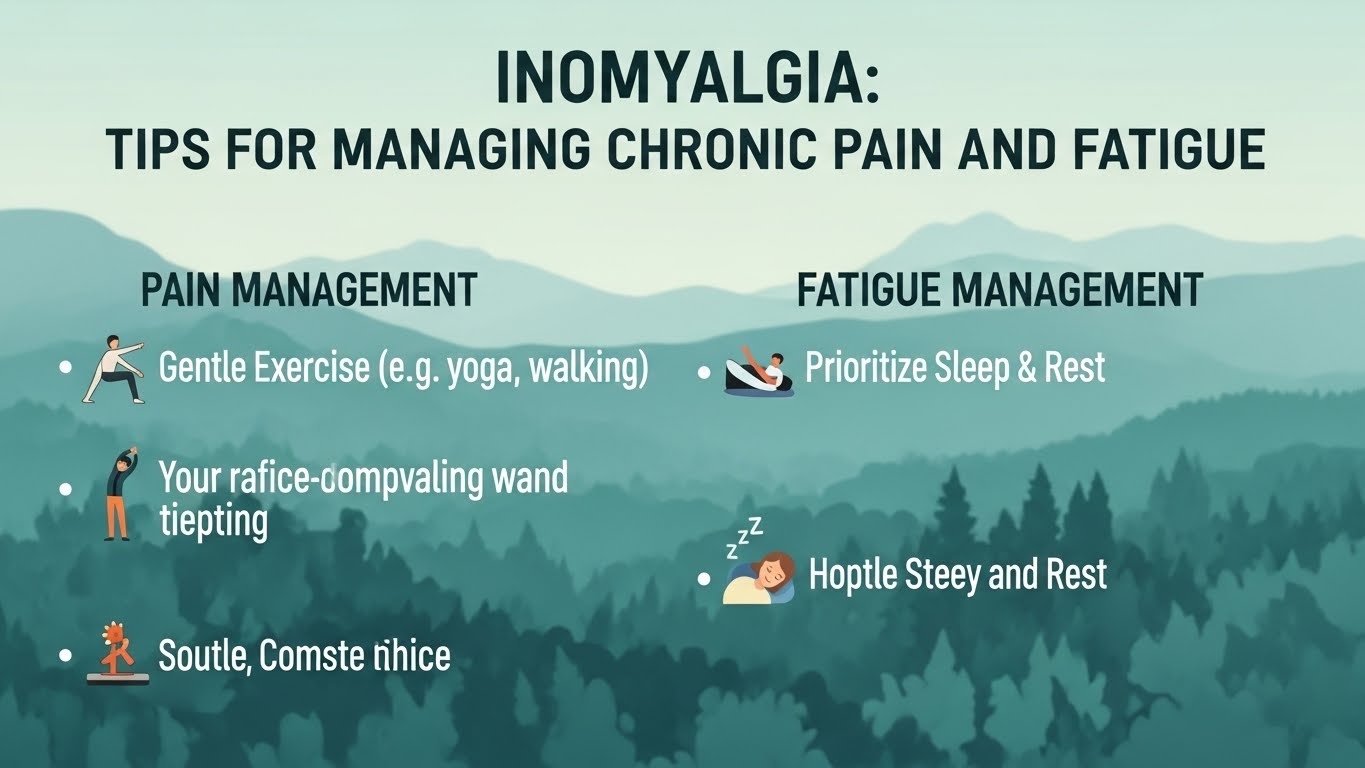
You wake up after six hours of sleep, reach for your phone, scan overnight emails, and swing your legs out of bed—only to feel that familiar, dull ache across your shoulders and lower back. It’s not an injury. It’s not the flu. It’s not even severe enough to justify calling in sick. But it lingers. It slows you down. It clouds your focus. That creeping, persistent muscular discomfort is what many are beginning to describe as inomyalgia—a pattern of internal muscle pain tied to stress, posture, and modern work habits.
While not yet a mainstream clinical term, inomyalgia captures something real: the chronic muscle pain experienced by high-performing professionals who live in a cycle of screen time, stress, and sedentary routines. For startup founders, entrepreneurs, and tech professionals, this isn’t just about discomfort. It’s about productivity, resilience, and long-term health.
What Is Inomyalgia in a Modern Work Context?
Inomyalgia can be understood as recurring muscle pain that develops without acute trauma. It’s not caused by lifting a heavy object incorrectly or a sports injury. Instead, it builds gradually—from long hours at a desk, chronic stress, poor ergonomics, limited recovery, and constant cognitive load.
In high-growth environments, physical signals are often ignored. Deadlines matter more than posture. Funding rounds matter more than stretching breaks. Slack notifications matter more than hydration.
The result? Persistent muscle tension, particularly in the neck, shoulders, upper back, hips, and lower spine. Over time, this tension becomes normalized. Many professionals assume it’s simply the cost of ambition.
But inomyalgia is not inevitable. It is, in many cases, preventable and manageable.
The Physiology Behind Inomyalgia
To understand inomyalgia, we need to look at how the body responds to stress and immobility.
When you’re under psychological pressure—pitching investors, managing payroll, navigating product pivots—your nervous system activates a low-level fight-or-flight response. Stress hormones like cortisol increase. Muscles tighten in preparation for action.
In an evolutionary context, this made sense. You either fought or ran. Muscles contracted briefly and then relaxed.
In today’s digital world, however, stress rarely resolves with physical movement. Instead, you remain seated. Shoulders tense. Jaw tightens. Back stiffens. The body never fully resets.
Layer that onto prolonged sitting and forward-leaning posture, and you create sustained muscle contraction without recovery. Over weeks and months, this becomes inomyalgia—a chronic loop of tension and discomfort.
Why Startup Founders Are Especially Vulnerable to Inomyalgia
Founders operate under unique pressure. Unlike employees, they carry existential responsibility for the company’s survival. That weight manifests physically.
Consider a typical founder’s schedule: investor calls across time zones, late-night strategy sessions, product troubleshooting, hiring decisions, and constant digital communication. Add caffeine, irregular sleep, and minimal physical movement.
This environment is fertile ground for inomyalgia.
Unlike acute back injuries, which force immediate rest, this form of muscle pain is subtle. It doesn’t incapacitate you. It simply reduces your cognitive sharpness by 5 to 10 percent each day. Over time, that marginal decline compounds.
In competitive markets, marginal declines matter.
Inomyalgia vs. General Muscle Soreness
It’s important to distinguish inomyalgia from common muscle soreness after exercise.
Post-workout soreness, often called delayed onset muscle soreness (DOMS), is temporary and tied to physical exertion. Inomyalgia, by contrast, develops from underuse and stress, not overuse in the athletic sense.
Here’s a simplified comparison:
| Feature | Inomyalgia | Exercise-Induced Soreness |
| Cause | Chronic stress and poor posture | Intense physical activity |
| Onset | Gradual, persistent | 12–48 hours after workout |
| Duration | Weeks or ongoing | Typically 2–5 days |
| Primary areas | Neck, shoulders, lower back | Worked muscle groups |
| Resolution | Requires habit change | Resolves naturally |
For digital professionals, recognizing the difference is crucial. Treating inomyalgia with occasional stretching alone may not be sufficient if root causes remain.
The Hidden Cost of Inomyalgia on Performance
Pain consumes cognitive bandwidth. Even mild discomfort triggers background processing in the brain. You may not consciously focus on it, but your nervous system does.
Studies in occupational health consistently show that chronic musculoskeletal discomfort correlates with reduced concentration, increased irritability, and decreased work satisfaction.
For entrepreneurs making high-stakes decisions, even subtle cognitive fatigue can affect judgment.
Inomyalgia also disrupts sleep. Tight shoulders and lower back pain make deep sleep harder to achieve. Poor sleep, in turn, increases pain sensitivity. The cycle feeds itself.
This is not just a health issue. It’s a performance issue.
Technology: Both Cause and Cure
The same technology that contributes to inomyalgia can also help manage it.
Wearable devices now track posture, movement, and stress variability. Standing desks, ergonomic chairs, and external monitors reduce strain. Digital wellness apps remind users to move, breathe, and reset.
However, tools alone are not enough. Behavior change remains the decisive factor.
Tech professionals often optimize code and systems with precision, yet neglect optimization of their own physical environment. Adjusting monitor height, keyboard alignment, and chair support may sound mundane—but these micro-adjustments can significantly reduce muscular strain.
Inomyalgia thrives in environments where ergonomics are an afterthought.
Preventing and Managing Inomyalgia in High-Performance Lifestyles
Addressing inomyalgia requires a multi-layered approach rather than a single intervention.
First, posture awareness must become intentional. The goal is not rigid “perfect posture,” but dynamic posture—regular shifts in position throughout the day.
Second, movement must be integrated into workflow. Short walking meetings, standing calls, and micro-breaks every 45 to 60 minutes reduce sustained muscle contraction.
Third, stress regulation matters. Breathwork, short mindfulness practices, and even five-minute resets between meetings can calm the nervous system and reduce muscular tension.
Strength training also plays a role. Weak postural muscles contribute to strain. Two to three structured sessions per week targeting the back, core, and hips can significantly reduce chronic tension.
For founders and tech leaders, the solution isn’t abandoning ambition—it’s designing sustainable ambition.
When Inomyalgia Signals Something More Serious
While inomyalgia often stems from lifestyle factors, persistent or worsening pain should not be ignored. If discomfort radiates, causes numbness, or interferes significantly with sleep and mobility, professional medical evaluation is essential.
In some cases, what begins as tension can evolve into nerve compression or structural imbalance.
High achievers are often reluctant to seek help. There’s a cultural narrative around pushing through discomfort. But ignoring early warning signs can extend recovery time later.
Preventive action is strategic leadership—not weakness.
Building a Culture That Reduces Inomyalgia
Forward-thinking companies increasingly recognize the link between physical health and cognitive performance. Encouraging ergonomic assessments, offering wellness stipends, and normalizing movement breaks during meetings can reduce collective inomyalgia across teams.
Remote-first startups are uniquely positioned to lead here. They can provide guidance on home office setup and promote flexible schedules that allow for exercise and recovery.
Healthy teams build resilient companies.
The Long-Term Perspective on Inomyalgia
Muscle tension may feel like a small inconvenience today, but over years it compounds. Chronic inflammation, mobility limitations, and persistent fatigue can gradually erode quality of life.
Entrepreneurs often think in five- or ten-year business horizons. Apply that same lens to your body.
The real risk of inomyalgia is normalization. When discomfort becomes baseline, you forget what full physical ease feels like. You adapt downward.
But performance—true, sustainable performance—requires physical capacity.
Conclusion: Redefining Strength in the Digital Age
Inomyalgia is not a dramatic medical emergency. It is quieter than that. It builds slowly, hides behind ambition, and blends into the background of modern work culture. Yet its impact is real—on clarity, energy, sleep, and long-term resilience.
For startup founders, entrepreneurs, and tech professionals, addressing inomyalgia is not about slowing down. It’s about protecting your edge. It’s about ensuring that the drive to build something meaningful does not silently compromise the body that makes it possible.
In a world obsessed with scaling businesses, perhaps it’s time to scale sustainability too.
Your company’s runway matters. So does your own.

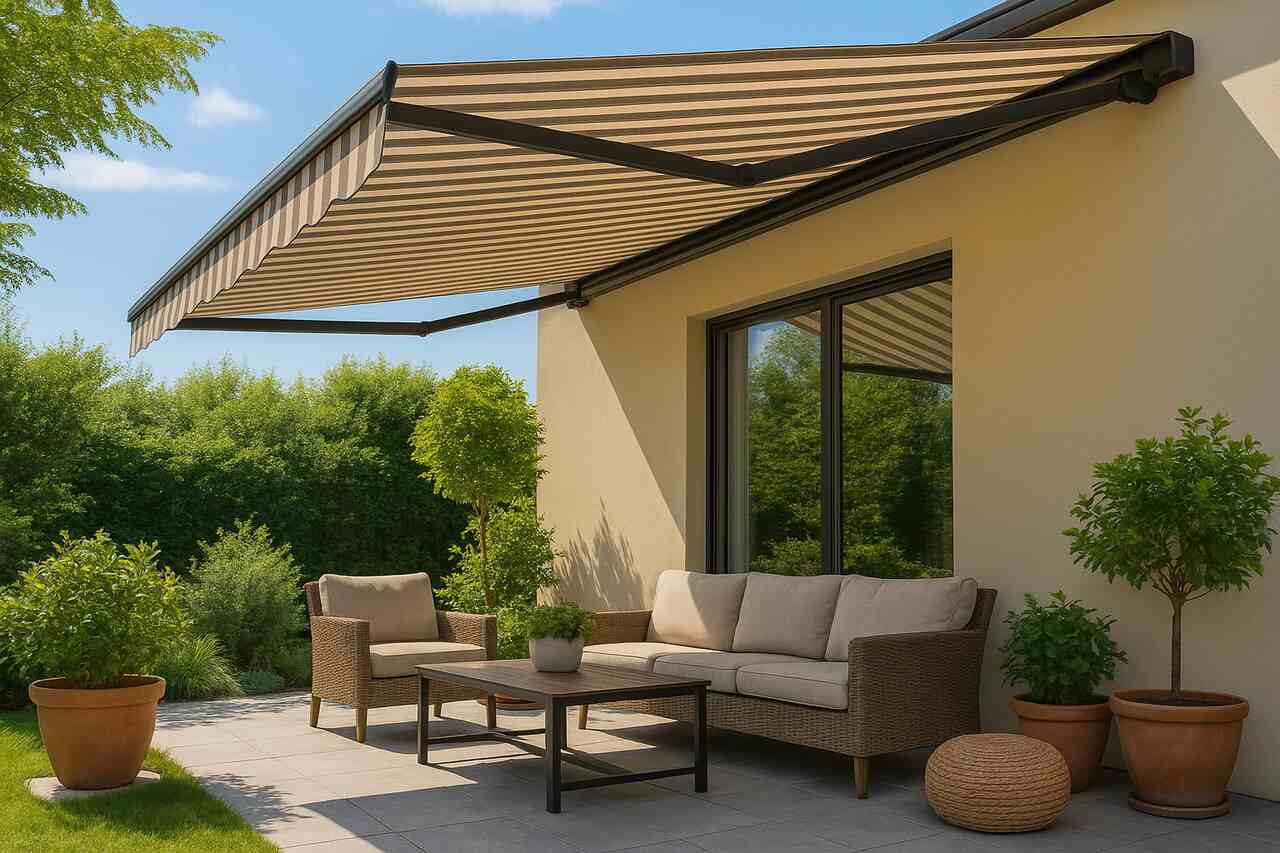
The first impression of a business rarely happens online. It happens on the street. A passerby glances at a storefront, a café terrace, or a pop-up activation and forms an opinion within seconds. In that fleeting moment, design, comfort, and atmosphere quietly shape perception. This is where markiseteppe enters the conversation—not just as a functional awning fabric, but as a strategic tool for modern businesses that understand the power of physical experience.
For startup founders and entrepreneurs focused on growth, scalability, and customer retention, markiseteppe may not seem like an obvious priority. Yet in an era where experience design differentiates brands more than products alone, the exterior environment becomes a silent sales engine. The right awning solution doesn’t simply block the sun; it extends your brand footprint, improves operational efficiency, and enhances customer satisfaction in measurable ways.
Understanding Markiseteppe Beyond the Surface
At its core, markiseteppe refers to the durable textile used in awnings and shading systems. Traditionally associated with patios and balconies, today’s markiseteppe is engineered for resilience, UV resistance, weather protection, and visual impact. But for business owners, especially those operating in hospitality, retail, and co-working spaces, it represents something larger: control over the customer environment.
Think about a café expanding seating outdoors. Without proper shading, hot afternoons reduce dwell time. Customers leave sooner. Revenue per seat drops. Energy consumption rises indoors as air conditioning works harder. A high-quality markiseteppe solution transforms that scenario. It creates a comfortable microclimate, stabilizes interior temperatures, and increases usable square footage.
In a competitive landscape where margins are tight, small operational improvements compound into meaningful growth.
The Business Case for Markiseteppe in Startup Ecosystems
Startups often prioritize digital marketing, product development, and fundraising—and rightly so. However, brick-and-mortar or hybrid businesses can overlook how physical infrastructure directly impacts unit economics.
Consider three critical factors:
First, customer retention. Comfortable outdoor seating encourages longer stays and repeat visits. Research consistently shows that customers associate physical comfort with brand quality.
Second, brand visibility. A customized markiseteppe can carry logos, colors, and messaging that reinforce identity. Unlike static signage, an awning interacts with light, movement, and weather, creating a dynamic presence.
Third, cost efficiency. By reducing heat penetration through windows and doors, awnings decrease energy consumption. Lower cooling costs translate into improved operational margins.
For founders who think in terms of lifetime value (LTV) and customer acquisition cost (CAC), this becomes a compelling equation. A one-time infrastructure investment that enhances LTV while indirectly reducing CAC through improved brand perception is strategically sound.
Markiseteppe and the Experience Economy
We now operate firmly within what economists call the experience economy. Customers don’t just buy coffee; they buy atmosphere. They don’t just visit a store; they engage with a brand environment.
Markiseteppe plays a subtle but powerful role in shaping that environment. The texture of the fabric, the way it diffuses sunlight, the color palette it introduces—all of these influence mood and perception.
Imagine a tech startup hosting networking events outdoors. The right shading solution ensures attendees are comfortable, devices remain visible without glare, and the environment feels thoughtfully designed. That attention to detail communicates competence and care—qualities investors and clients notice.
Physical experience is not separate from digital strategy. It reinforces it.
Choosing the Right Markiseteppe: Strategic Considerations
Selecting markiseteppe should never be a purely aesthetic decision. Founders and operators must evaluate durability, climate compatibility, branding potential, and return on investment.
Below is a comparison table outlining key considerations:
| Factor | Standard Fabric | High-Performance Markiseteppe |
| UV Protection | Moderate | High (blocks majority of UV rays) |
| Weather Resistance | Basic water resistance | Advanced water & wind resistance |
| Longevity | 3–5 years | 7–15 years depending on quality |
| Branding Options | Limited | Custom printing & color consistency |
| Energy Efficiency Impact | Minimal | Noticeable reduction in cooling costs |
While the initial investment in premium markiseteppe may be higher, the long-term performance and reduced maintenance often justify the cost. Entrepreneurs who apply lifecycle cost analysis rather than upfront price comparison typically make better infrastructure decisions.
Sustainability and the Modern Founder
Sustainability is no longer a marketing angle—it’s a baseline expectation. Customers, especially younger demographics, are increasingly attentive to environmental responsibility.
High-quality markiseteppe contributes to sustainability in several ways. By lowering indoor cooling demands, it reduces energy consumption. Many modern fabrics are manufactured with recyclable or eco-conscious materials. Additionally, extending the usable lifespan of outdoor furniture and interiors by protecting them from direct sunlight reduces replacement cycles.
For startups seeking ESG credibility or aiming to align with climate-conscious investors, even these seemingly small infrastructure choices matter. They demonstrate alignment between stated values and operational practices.
Scaling with Markiseteppe: From One Location to Many
Scalability is the defining obsession of startup culture. A concept proven in one location must replicate seamlessly across others.
Here, markiseteppe offers consistency. Branded awnings become recognizable visual assets. Think of how certain global café chains maintain uniform storefront aesthetics across cities. The awning becomes part of the brand language.
For founders planning multi-location expansion, standardizing on a specific markiseteppe specification ensures visual coherence, predictable maintenance cycles, and consistent customer experience. It transforms what might seem like a minor design choice into a scalable system.
Consistency builds trust. Trust builds growth.
Technology Integration and Smart Shading Systems
Modern shading solutions are no longer static installations. Motorized systems, weather sensors, and smart controls allow businesses to optimize usage automatically.
Integrated with IoT systems, markiseteppe installations can extend or retract based on sunlight intensity, wind conditions, or temperature thresholds. For tech-driven businesses, this alignment between physical infrastructure and digital intelligence enhances operational sophistication.
Imagine a co-working space where awnings automatically adjust throughout the day, maintaining comfort without manual intervention. The result is energy efficiency, convenience, and an impression of innovation.
When founders speak about digital transformation, it shouldn’t stop at software. Physical environments can evolve too.
Risk Management and Durability
Entrepreneurs understand risk. Weather variability, especially in regions with intense sun, heavy rain, or seasonal storms, can disrupt operations.
Low-quality shading solutions tear, fade, or warp under stress. Replacing them repeatedly erodes margins and creates operational downtime. Investing in robust markiseteppe minimizes these risks.
Durable fabrics resist color fading, mold growth, and structural damage. This reliability ensures business continuity—an often overlooked but critical factor in long-term planning.
In startup terms, think of it as building infrastructure that supports uptime and resilience.
The Psychological Impact of Outdoor Design
Behavioral science consistently highlights how environment shapes decision-making. Shaded, comfortable outdoor spaces increase dwell time and spending. Customers are more likely to order another drink, browse longer, or engage in conversation.
Markiseteppe contributes directly to this psychological comfort. It diffuses harsh light, reduces glare, and creates a sense of enclosure without confinement. That subtle balance between openness and shelter fosters relaxation.
For entrepreneurs analyzing customer journey metrics, these environmental factors can influence conversion rates as much as digital UX design.
Physical UX matters.
Markiseteppe as Brand Storytelling
Every brand tells a story. Some do it through content marketing. Others through product innovation. The most successful do it everywhere—including architecture.
The choice of color, fabric texture, and awning design communicates personality. A minimalist tech startup may choose neutral tones and sleek lines. A vibrant café might opt for bold stripes and warm colors.
Markiseteppe becomes part of that narrative. It signals whether a brand is traditional, innovative, playful, or premium. For startups competing in crowded markets, cohesive storytelling across touchpoints differentiates effectively.
And storytelling that extends into physical space leaves a lasting impression.
Investment Perspective: Short-Term Cost vs Long-Term Value
Many founders instinctively minimize upfront costs during early stages. This discipline is healthy. However, strategic spending on assets that enhance revenue generation and operational efficiency is not waste—it’s leverage.
When evaluating markiseteppe investment, consider:
How many additional customers can outdoor seating attract?
How much energy cost can shading reduce annually?
How much longer will protected furniture and interiors last?
How does enhanced curb appeal influence brand perception?
Viewed through this lens, markiseteppe is less an expense and more an enabler of growth.
Entrepreneurs who think long-term consistently outperform those who chase short-term savings.
Conclusion: More Than Shade, A Competitive Advantage
In the relentless pursuit of growth, startups often chase big innovations—AI integrations, viral campaigns, disruptive pricing models. Yet sustainable success frequently rests on quieter decisions that improve experience, efficiency, and perception.
Markiseteppe represents one of those decisions. It bridges design and function. It enhances comfort while reinforcing branding. It supports sustainability while improving operational economics.
For founders and tech professionals building businesses meant to last, overlooking physical infrastructure is a missed opportunity. In contrast, leveraging markiseteppe strategically transforms a simple shading solution into a competitive advantage.
In a marketplace where every detail shapes perception, even the fabric above your door can become part of your growth strategy.
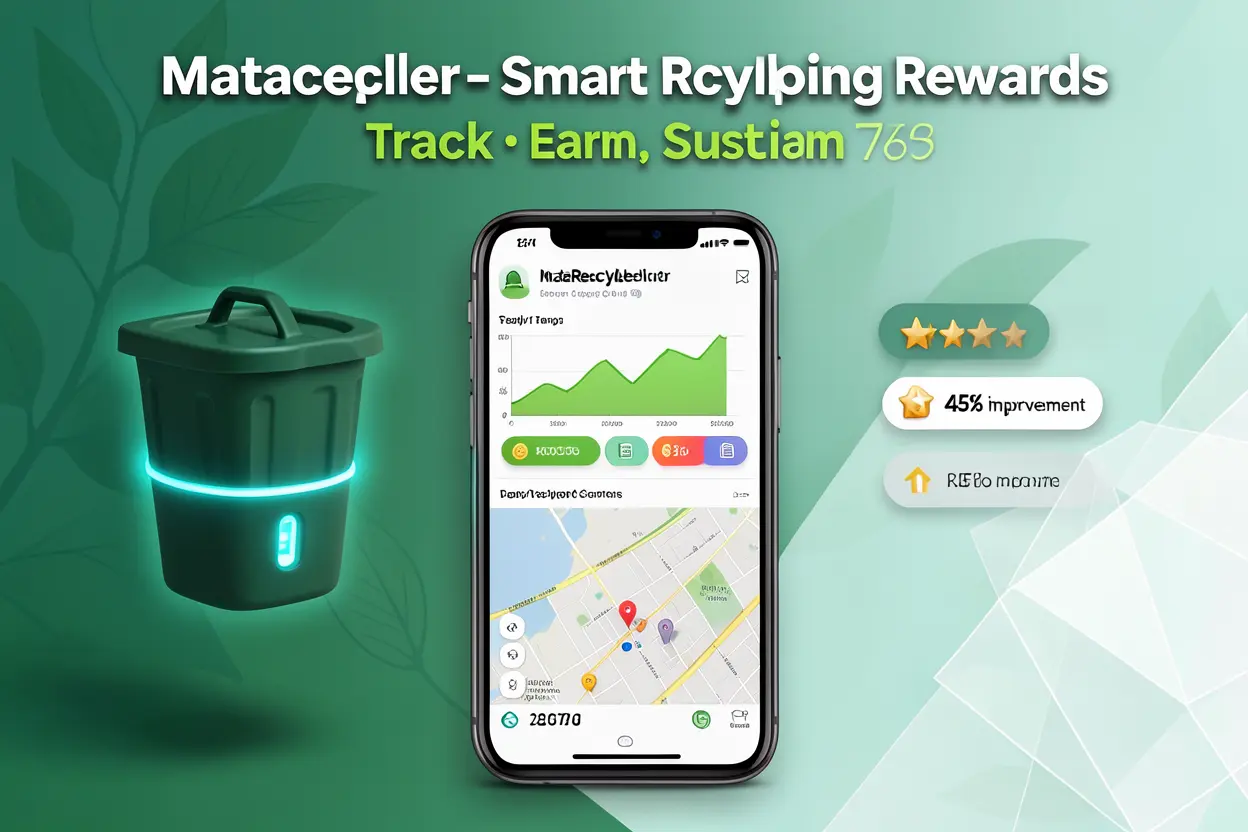
In the fast-evolving landscape of sustainability, startups and tech-driven enterprises are constantly seeking ways to integrate eco-conscious practices without compromising efficiency or profitability. Enter Matarecycler, a pioneering solution redefining how businesses handle waste and resource recovery. By leveraging advanced recycling technologies and intelligent data tracking, Matarecycler empowers companies to not only reduce their environmental footprint but also turn waste streams into profitable assets.
For entrepreneurs, the question isn’t just about compliance or corporate responsibility—it’s about innovation and competitive advantage. Traditional waste management approaches are often reactive, fragmented, and costly. Matarecycler offers a proactive, integrated platform that enables businesses to optimize their material lifecycle from disposal to repurposing. Whether it’s organic waste from a food startup or electronic components from a tech firm, Matarecycler’s system ensures that materials are sorted, processed, and recycled efficiently, minimizing landfill contributions and unlocking new revenue streams.
Why Matarecycler Matters for Modern Startups
Startups operate in environments where resource allocation and operational efficiency define success. Waste is not just an environmental concern—it’s an economic inefficiency. Matarecycler addresses this by introducing a holistic approach to recycling that combines hardware, software, and analytics.
Smart Sorting and Processing: Matarecycler uses automated sorting technologies that differentiate between plastics, metals, electronics, and organic materials. This reduces contamination, improves recycling quality, and lowers processing costs.
Data-Driven Insights: Startups can track waste generation patterns, monitor recycling performance, and identify cost-saving opportunities. This transparency is critical for ESG reporting, investor confidence, and long-term operational sustainability.
Scalability: From small pilot programs to enterprise-level deployment, Matarecycler adapts to business size and sector-specific needs, making it ideal for startups looking to grow sustainably.
How Matarecycler Integrates with Startup Operations
Implementing a recycling solution often feels like a logistical burden, but Matarecycler is designed to integrate seamlessly into existing workflows. The platform connects with supply chain management, inventory systems, and even point-of-sale operations for service-oriented businesses. For example, a startup producing consumer electronics can use Matarecycler to reclaim rare metals from returned or obsolete products, turning potential waste into valuable inputs for new production cycles.
Consider the following table showcasing a simplified lifecycle comparison between traditional waste handling and Matarecycler:
| Feature | Traditional Waste Management | Matarecycler Solution |
| Waste Sorting | Manual, inconsistent | Automated, high-precision |
| Data Tracking | Minimal, periodic | Real-time, actionable analytics |
| Environmental Impact Reporting | Limited, compliance-based | Detailed, ESG-aligned reporting |
| Revenue Potential from Waste | None | Monetization through resale/reuse |
| Scalability | Limited | Flexible for any business size |
This illustration demonstrates not just efficiency improvements but also financial opportunities—key considerations for resource-conscious startups.
Real-World Applications of Matarecycler
- Food and Beverage Startups: Organic waste can be a major cost driver. Matarecycler enables composting, biogas production, and by-product recovery, turning scraps into valuable assets while reducing landfill dependency.
- Electronics and Hardware Startups: Recovering metals like copper, gold, and aluminum from outdated or returned devices reduces raw material expenses and supports a circular economy approach.
- Manufacturing Startups: From plastics to packaging materials, Matarecycler helps businesses implement closed-loop recycling, minimizing raw material procurement and waste disposal costs.
- Co-Working Spaces and Offices: Matarecycler’s scalable solutions can be applied to shared work environments, ensuring that multiple small-scale enterprises benefit from efficient waste management without the burden of independent systems.
Environmental and Economic Impact
The dual benefit of Matarecycler lies in environmental stewardship and economic efficiency. A startup integrating Matarecycler can reduce landfill contributions by up to 60%, significantly lowering carbon footprint and waste-related operational costs. By reclaiming materials, businesses can also offset expenses related to raw materials procurement, effectively turning “waste” into a secondary revenue stream.
Moreover, Matarecycler positions startups as sustainability leaders, which is increasingly important for attracting investors, clients, and talent. In today’s market, ESG-conscious practices are not a nice-to-have—they are often a differentiator that influences funding decisions and customer loyalty.
Implementing Matarecycler: Steps for Startups
- Assessment: Evaluate your current waste streams, material types, and volumes to determine integration needs.
- Pilot Program: Begin with a small-scale implementation to test sorting, data collection, and recycling efficiency.
- Integration: Connect Matarecycler to your operational and supply chain systems for seamless tracking.
- Optimization: Analyze collected data to improve sorting accuracy, reduce contamination, and explore monetization opportunities.
- Scaling: Expand usage across facilities, locations, or product lines while maintaining oversight and analytics.
The Future of Waste Management with Matarecycler
As industries move toward circular economies, the role of intelligent recycling platforms will only grow. Matarecycler is not just a tool for today’s startups; it is a forward-looking investment in operational sustainability, financial efficiency, and brand positioning. Startups adopting Matarecycler early are likely to experience not only cost reductions and revenue opportunities but also enhanced credibility with stakeholders and a stronger environmental narrative.
Conclusion
For startups aiming to balance growth, profitability, and environmental responsibility, Matarecycler offers a tangible solution. Its blend of automation, data analytics, and scalable design transforms waste from a liability into a strategic asset. In a world where sustainability increasingly defines competitive advantage, Matarecycler empowers startups to innovate responsibly while capturing economic and ecological value. Whether your business is in food, electronics, manufacturing, or shared office spaces, Matarecycler presents a compelling path toward smarter, greener operations.
-

 Blog1 month ago
HHKTHK: Decoding Digital Noise and Strategic Signals in Modern Tech
-

 Blog1 month ago
From Blog PlayBattleSquare: How Competitive Gaming Platforms Are Shaping the Future of Digital Communities
-

 Blog1 month ago
Simbramento: A New Strategic Model for Scalable Digital Growth
-

 Blog2 months ago
Lollitip: How Innovative Design is Transforming Consumer Experience
-

 Blog1 month ago
Calesshop: Redefining Digital Commerce for Modern Entrepreneurs
-
Uncategorized2 months ago
Hello world!
-
 Learning1 month ago
Matarecycler: Transforming Waste Management for Startups and Innovators
-

 Blog1 month ago
John Carbahal’s Son: Legacy, Leadership, and the Next Generation of Digital Entrepreneurship