
business
Fontlu: The Digital Design Concept Transforming Modern Brand Identity


In the digital economy, design is no longer a secondary business concern. It shapes how customers perceive brands, interact with products, and build trust with companies online. From startup landing pages to global technology platforms, visual identity has become a defining part of business strategy. Within this evolving landscape, fontlu is emerging as a concept connected to the growing importance of digital typography, user experience, and modern brand communication.
For entrepreneurs, designers, and technology professionals, fontlu represents more than a stylistic trend. It reflects a broader movement toward smarter, more intentional digital design systems that combine aesthetics with functionality. In an online world where users make split-second decisions about credibility and engagement, typography has become one of the most influential elements of digital communication.
Modern businesses compete for attention across websites, mobile applications, social platforms, and digital products simultaneously. Every detail matters, including the fonts people read, the spacing between elements, and the visual consistency of brand messaging.
Fontlu symbolizes this shift toward strategic digital design where typography is treated as a business asset rather than a decorative afterthought.
Understanding the Meaning Behind Fontlu
At its core, fontlu represents a modern approach to typography and digital branding. The concept revolves around the idea that fonts are not merely visual choices but communication tools capable of shaping perception, readability, and emotional response.
In earlier stages of web design, typography often received limited attention. Businesses selected fonts based primarily on convenience or familiarity. Today, typography plays a much larger role in defining digital identity.
Fontlu reflects this evolution.
Modern companies increasingly recognize that typography influences how users experience products, consume information, and interact with brands online. Clean typography can improve readability, strengthen professionalism, and create stronger emotional connections with audiences.
Poor typography, by contrast, often creates friction, confusion, and reduced trust.
For startups and digital-first companies, this distinction is becoming increasingly important as user experience grows more competitive.
Why Fontlu Matters in the Digital Economy
The digital economy rewards businesses that communicate clearly and consistently. Consumers interact with brands across multiple devices and platforms every day, often making decisions within seconds.
Visual presentation directly affects those decisions.
Fontlu matters because it highlights the strategic role typography plays in digital communication. Fonts influence readability, accessibility, emotional tone, and brand recognition simultaneously.
For example, a fintech startup may choose clean and modern typography to communicate security and professionalism. A creative technology brand might use bold and experimental typography to emphasize innovation and originality.
These choices are not random design preferences. They shape how audiences interpret brand identity and trustworthiness.
As digital competition intensifies, businesses increasingly recognize that strong visual communication can become a significant competitive advantage.
The Evolution of Typography in Modern Branding
Typography has changed dramatically over the last two decades.
In the early internet era, digital design was heavily constrained by technical limitations. Most websites relied on a small set of default fonts optimized primarily for functionality rather than aesthetics.
Today, typography has become a central part of user experience strategy.
The rise of responsive design, mobile-first development, and advanced web technologies has allowed brands to experiment with more sophisticated visual systems. Businesses now treat typography as part of a broader ecosystem involving color, spacing, layout, animation, and interaction design.
Fontlu reflects this larger transformation.
Modern typography is expected to perform several functions simultaneously:
| Traditional Typography Approach | Modern Fontlu-Oriented Approach |
|---|---|
| Basic readability focus | Readability plus emotional branding |
| Limited font flexibility | Dynamic multi-platform typography |
| Static visual presentation | Responsive adaptive design |
| Generic design consistency | Personalized brand identity |
| Decorative font selection | Strategic communication design |
| Device-independent layouts | Mobile-first typography systems |
This shift explains why typography has become increasingly important across startups, digital products, and online platforms.
Fontlu and User Experience Design
User experience design depends heavily on clarity and accessibility. Typography directly affects how users navigate information, understand interfaces, and interact with digital products.
Fontlu emphasizes typography as a functional component of user experience rather than purely artistic decoration.
Well-designed typography improves reading speed, reduces cognitive friction, and enhances accessibility across devices. Users are more likely to trust and engage with interfaces that feel visually organized and easy to navigate.
For startups, this matters enormously.
A beautifully designed product can still fail if users struggle to read content or navigate the interface comfortably. Typography influences onboarding experiences, customer retention, and even conversion rates.
This is one reason many technology companies invest heavily in custom typography systems designed specifically for digital environments.
The Role of Fontlu in Startup Branding
Startups face intense pressure to establish trust quickly. Unlike established corporations, new companies often lack brand recognition and market authority.
Visual identity becomes one of the fastest ways to communicate professionalism and credibility.
Fontlu reflects the growing understanding that typography contributes directly to how startups position themselves within competitive markets. The right typography system can make a young company appear modern, trustworthy, innovative, or premium depending on the intended audience.
Consistency also matters. Businesses that maintain coherent typography across websites, presentations, applications, and social content often appear more polished and strategically aligned.
This visual consistency strengthens customer perception over time.
For founders, typography is increasingly viewed not simply as design detail but as part of broader brand infrastructure.
How Fontlu Connects With Digital Accessibility
Accessibility has become one of the most important conversations in modern digital design.
Businesses today serve global audiences using different devices, screen sizes, and assistive technologies. Typography plays a major role in ensuring digital experiences remain inclusive and accessible.
Fontlu aligns closely with this movement toward accessible design systems.
Readable font sizes, proper spacing, strong contrast, and adaptive layouts improve usability for users with varying visual abilities and reading conditions. Accessible typography also improves overall user satisfaction because clarity benefits everyone, not only users with disabilities.
Technology companies increasingly prioritize accessibility because poor usability can damage both reputation and customer retention.
As digital experiences continue expanding across devices and environments, accessible typography will likely become even more important.
The Influence of Minimalism and Modern Design
One of the strongest design trends influencing fontlu is minimalism.
Modern users often prefer clean interfaces with simplified layouts and uncluttered visual structures. Typography plays a central role in achieving this balance because fonts frequently carry much of the communication responsibility within minimalist environments.
Instead of relying heavily on decorative graphics, many digital brands now use typography itself as a primary visual element.
This shift explains why modern companies invest heavily in font systems optimized for clarity, scalability, and responsiveness.
Minimalist typography also aligns well with mobile-first design, where screen space is limited and readability becomes essential.
Fontlu reflects this broader movement toward simplicity without sacrificing sophistication.
Challenges Businesses Face With Typography Strategy
Despite its importance, typography strategy is often underestimated.
Many businesses choose fonts based purely on appearance without considering usability, scalability, or brand alignment. Poor typography decisions can reduce readability, weaken professionalism, and create inconsistent user experiences.
Another challenge involves cross-platform compatibility. Fonts may appear differently across operating systems, browsers, and mobile devices.
Businesses also face the risk of following design trends too aggressively. Typography that feels fashionable today may appear outdated quickly if it lacks timeless structure and usability.
Fontlu emphasizes the importance of balancing creativity with functionality.
Successful typography systems support long-term brand identity while remaining adaptable to changing digital environments.
Fontlu and the Future of Digital Communication
The future of digital communication will likely place even greater emphasis on visual clarity and personalized design.
As artificial intelligence, augmented reality, and immersive interfaces continue evolving, typography may become increasingly dynamic and adaptive. Fonts could eventually respond automatically to user preferences, reading behavior, device type, and accessibility requirements in real time.
Fontlu reflects this future-oriented approach to design thinking.
Businesses that understand typography as part of strategic communication infrastructure will likely gain advantages in branding, usability, and audience engagement.
The next generation of digital experiences will not only look attractive. They will communicate more intelligently and adapt more naturally to user needs.
Typography will remain central to that transformation.
The Human Side of Typography
Although typography discussions often focus on design systems and technical implementation, the real purpose remains deeply human.
Every font influences how people feel when they interact with information. Typography shapes emotional tone, readability, trust, and engagement.
Fontlu ultimately represents the idea that communication design should make digital experiences more intuitive and enjoyable.
Businesses succeed when users feel comfortable, confident, and connected while interacting with their platforms. Typography contributes quietly but powerfully to that experience.
The companies that recognize this human dimension often build stronger digital identities over time.
Conclusion
Fontlu represents a modern perspective on digital typography, branding, and user experience design. In a business environment where visual communication increasingly defines credibility and engagement, typography has become far more than a decorative design choice.
The principles associated with fontlu emphasize clarity, accessibility, responsiveness, and strategic brand identity. Together, these elements help businesses create digital experiences that feel professional, intuitive, and emotionally aligned with audience expectations.
For startup founders, entrepreneurs, and technology professionals, understanding typography as a strategic business asset is becoming increasingly important. Modern digital success depends not only on functionality but also on how effectively brands communicate visually across evolving platforms and devices.
As the digital economy continues transforming, businesses that prioritize thoughtful design and user-centered communication may become the organizations shaping the future of online experience itself.





Social media has evolved from a communication platform into one of the most powerful business ecosystems in the world. Brands launch products on Instagram before they reach retail shelves. Startups build global communities without physical offices. Influencers shape purchasing decisions faster than traditional advertising campaigns ever could. In this environment, data has become the driving force behind digital success, and tools like gramhir pro are increasingly gaining attention for their role in social media analytics and strategic audience intelligence.
For entrepreneurs, startup founders, marketers, and technology professionals, gramhir pro represents more than a social media analytics platform. It reflects the broader transformation of digital marketing into a data-driven discipline where audience behavior, engagement metrics, and performance insights shape nearly every strategic decision.
Modern businesses no longer rely on intuition alone. They rely on measurable patterns, predictive analytics, and real-time audience understanding.
That is where gramhir pro enters the conversation.
Understanding the Purpose of Gramhir Pro
At its core, gramhir pro is associated with social media analytics and profile evaluation tools designed to help users better understand digital engagement patterns, account performance, audience interaction, and online visibility.
The rapid growth of platforms like Instagram transformed social media from a casual networking environment into a competitive marketplace. Businesses now compete not only for customers but also for attention.
In this attention-driven economy, understanding audience behavior is essential.
Gramhir pro reflects the increasing demand for platforms capable of analyzing social media activity beyond surface-level metrics. Likes and follower counts alone no longer provide meaningful insight. Businesses need deeper visibility into engagement quality, audience demographics, performance trends, and content effectiveness.
This shift has transformed analytics from a marketing accessory into a core business necessity.
Why Gramhir Pro Matters in Modern Digital Strategy
Digital marketing has become one of the most measurable industries in the business world. Every click, interaction, impression, and engagement can now be tracked and analyzed.
However, raw data alone has limited value.
Businesses need tools capable of turning information into actionable insight. Gramhir pro matters because it aligns with this growing emphasis on intelligent social media analytics.
For startups and entrepreneurs, understanding audience behavior can significantly influence growth strategies. Data-driven marketing allows businesses to:
- Identify high-performing content
- Understand audience engagement patterns
- Improve targeting accuracy
- Optimize campaign timing
- Track competitor activity
- Refine branding strategies
In highly competitive digital markets, these insights can provide a major strategic advantage.
The companies succeeding on social media today are often those capable of interpreting audience behavior more effectively than their competitors.
The Evolution of Social Media Analytics
To understand the significance of gramhir pro, it helps to examine how social media analytics evolved over time.
In the early stages of social media marketing, success was often measured through vanity metrics such as follower counts or basic engagement totals.
As platforms matured, businesses realized those numbers rarely reflected actual business performance.
A large audience does not automatically translate into trust, conversions, or revenue.
Modern analytics platforms now focus on deeper operational intelligence, including:
- Audience retention patterns
- Engagement consistency
- Reach efficiency
- Content interaction quality
- Audience behavior forecasting
Gramhir pro reflects this broader industry transition from superficial visibility metrics toward strategic digital intelligence.
This evolution has fundamentally changed how brands approach online growth.
Key Features Associated With Gramhir Pro
While analytics tools vary in structure and functionality, gramhir pro is commonly associated with several important capabilities relevant to modern digital strategy.
Audience Engagement Analysis
One of the most valuable aspects of modern analytics platforms is engagement analysis.
Businesses need to understand not only how many people interact with content but also how meaningful those interactions are. Engagement quality often reveals more about audience loyalty than simple follower counts.
Analytics systems help identify:
- Which posts generate the strongest responses
- What content formats perform best
- How audiences interact over time
- Which demographics engage most actively
This information helps businesses refine communication strategies more effectively.
Content Performance Tracking
Content is one of the most important assets in digital marketing, but performance varies significantly between posts, formats, and campaigns.
Gramhir pro-style analytics systems provide insight into which content types generate the strongest results.
This allows brands to optimize:
- Posting frequency
- Content style
- Audience targeting
- Visual branding strategies
- Engagement timing
Data-driven optimization improves marketing efficiency and reduces wasted effort.
Competitor Intelligence
Competitive analysis has become increasingly important in social media strategy.
Businesses often monitor competitor performance to understand industry trends, audience preferences, and emerging marketing approaches.
Analytics platforms can reveal patterns such as:
- Content engagement trends
- Growth consistency
- Audience interaction styles
- Posting strategies
This helps organizations position themselves more effectively within crowded digital markets.
Performance Forecasting
Modern analytics increasingly incorporate predictive capabilities powered by artificial intelligence and machine learning.
Instead of only reporting past performance, platforms now help forecast future trends based on historical behavior patterns.
This predictive approach allows businesses to make more proactive marketing decisions.
Traditional Marketing vs Analytics-Driven Marketing
The differences between traditional marketing approaches and analytics-driven digital strategies highlight why tools like gramhir pro have become so important.
| Traditional Marketing Approach | Analytics-Driven Strategy |
|---|---|
| Broad audience targeting | Precision audience segmentation |
| Limited campaign measurement | Real-time performance tracking |
| Intuition-based decisions | Data-driven optimization |
| Delayed market feedback | Instant engagement insights |
| Static branding strategies | Adaptive content refinement |
| Manual reporting systems | Automated analytics dashboards |
This transformation reflects how marketing itself has evolved into a highly technical discipline.
The Role of Artificial Intelligence in Gramhir Pro
Artificial intelligence is reshaping the entire analytics industry.
Modern social media platforms generate enormous amounts of behavioral data every second. Human teams alone cannot process this information efficiently.
AI-powered systems help platforms like gramhir pro identify patterns, trends, and predictive insights far more quickly than traditional analysis methods.
AI contributes to:
- Audience behavior forecasting
- Engagement trend analysis
- Content optimization recommendations
- Sentiment analysis
- Automated reporting systems
This creates more adaptive and responsive marketing environments.
As AI technology continues advancing, analytics platforms will likely become even more predictive and personalized.
Why Startups Benefit From Platforms Like Gramhir Pro
Startups often operate with limited budgets and intense competition. Unlike large corporations, they cannot afford inefficient marketing strategies or poorly targeted campaigns.
This makes analytics especially valuable.
Platforms associated with gramhir pro help startups make more informed decisions using measurable audience data rather than assumptions.
Benefits for startups include:
- Improved audience targeting
- Better resource allocation
- Faster brand optimization
- More effective content strategies
- Increased engagement efficiency
For early-stage companies, these advantages can significantly improve growth potential.
In crowded digital markets, understanding audience behavior can become a decisive competitive advantage.
Challenges of Social Media Analytics
Despite its advantages, analytics-driven marketing also presents several challenges.
One major issue is data overload. Businesses often collect more information than they can effectively interpret. Without strategic clarity, analytics can create confusion instead of insight.
Privacy concerns also continue growing across the digital marketing industry. Consumers increasingly expect transparency regarding how their data is collected and used.
Another challenge involves over-optimization. Some brands become so focused on metrics that they lose authenticity in their communication.
Successful digital marketing requires balancing analytics with human creativity and emotional intelligence.
Data can guide strategy, but it should not completely replace genuine brand identity.
Gramhir Pro and the Future of Digital Influence
The future of digital marketing will likely become even more data-driven and personalized.
As social platforms evolve, businesses will increasingly rely on predictive analytics, AI-supported engagement systems, and adaptive content strategies.
Gramhir pro reflects this broader movement toward intelligent social media ecosystems where marketing decisions are continuously refined through real-time audience insight.
In the future, businesses may rely on analytics systems capable of:
- Predicting viral content trends
- Personalizing campaigns automatically
- Forecasting engagement behavior
- Optimizing communication in real time
This evolution will continue reshaping how brands interact with digital audiences.
The Human Side of Analytics
Despite all technological advancements, successful marketing remains deeply human.
People engage with brands that feel authentic, relatable, and trustworthy. Analytics can identify patterns, but human creativity still shapes emotional connection.
Gramhir pro reflects the balance between technology and human understanding.
The most successful businesses use analytics not to manipulate audiences but to better understand their needs, interests, and behaviors.
This distinction matters.
Technology should strengthen communication, not replace meaningful interaction entirely.
Conclusion
Gramhir pro represents the growing importance of intelligent social media analytics in today’s digital economy. As businesses compete for visibility, engagement, and audience trust, data-driven strategy has become essential for sustainable growth.
The rise of analytics platforms reflects a broader transformation in digital marketing—from intuition-based campaigns toward measurable, adaptive, and highly targeted communication systems.
For startups, entrepreneurs, and technology professionals, understanding tools like gramhir pro is increasingly important. Social media success today depends not only on creativity but also on the ability to interpret audience behavior and respond strategically.
As artificial intelligence and predictive analytics continue evolving, the future of digital marketing will likely become even more intelligent, personalized, and interconnected.
Businesses that embrace this transformation early may gain a powerful advantage in the next era of digital influence.

The modern business world is evolving faster than ever before. Startups scale globally within months, artificial intelligence reshapes operational strategies, and digital ecosystems increasingly determine whether companies succeed or disappear. In this rapidly changing environment, new frameworks and conceptual models are emerging to help organizations adapt. Among these evolving ideas, aponeyrvsh is beginning to attract attention as a forward-looking approach to intelligent digital transformation.
For entrepreneurs, startup founders, and technology professionals, aponeyrvsh represents more than a technical concept. It reflects a larger shift in how businesses think about infrastructure, automation, scalability, and interconnected systems. The companies leading today’s economy are no longer simply building products. They are creating intelligent ecosystems capable of learning, adapting, and evolving continuously.
Aponeyrvsh captures this transition toward operational intelligence and connected digital strategy.
As competition becomes more global and customer expectations continue rising, businesses must move beyond fragmented systems and isolated workflows. The future belongs to organizations capable of integrating technology, communication, analytics, and customer experience into a unified operational environment.
That is the core philosophy behind aponeyrvsh.
Understanding the Core Idea Behind Aponeyrvsh
At its foundation, aponeyrvsh can be understood as a modern digital framework focused on intelligent integration and scalable adaptability. Rather than viewing business functions as separate departments operating independently, it promotes the idea of interconnected ecosystems where systems communicate and evolve together.
Traditional business structures often create silos. Marketing teams use one platform, operations teams use another, customer support relies on different software, and analytics remain disconnected from daily workflows.
Over time, this fragmentation creates inefficiency.
Aponeyrvsh challenges that outdated structure by encouraging businesses to build unified operational systems where information flows seamlessly between functions.
This creates several advantages:
- Faster decision-making
- Better collaboration between teams
- Improved scalability
- More accurate real-time insights
- Stronger customer experiences
The framework aligns naturally with modern technologies such as cloud computing, automation platforms, artificial intelligence, and predictive analytics.
Why Aponeyrvsh Matters in Today’s Digital Economy
The digital economy rewards adaptability above almost everything else.
Consumer behavior changes rapidly. Technology evolves constantly. Markets become more competitive every year. In this environment, businesses built on rigid systems often struggle to keep up.
Aponeyrvsh matters because it prioritizes flexibility and continuous optimization.
Organizations adopting interconnected systems can respond faster to change without rebuilding their infrastructure every time market conditions shift.
For startups, this is especially important. Young companies often operate under uncertainty where customer demands, product direction, and growth trajectories can change quickly. Flexible operational systems allow them to scale while remaining agile.
Established companies also benefit because integrated systems reduce friction and improve organizational visibility.
The businesses succeeding today are often those capable of adapting their operations as quickly as they adapt their products.
The Key Principles of Aponeyrvsh
Several foundational ideas define the aponeyrvsh framework and explain why it resonates with modern digital leaders.
Unified Operational Ecosystems
One of the central concepts behind aponeyrvsh is integration.
Modern businesses rely on numerous digital tools, but disconnected platforms create communication gaps and workflow inefficiencies. Aponeyrvsh promotes ecosystem thinking, where software, analytics, communication systems, and operational tools work together cohesively.
This creates stronger collaboration and improves organizational efficiency.
Instead of managing isolated systems, businesses operate within connected environments.
Intelligent Automation
Automation has become essential for scalability, but aponeyrvsh emphasizes intelligent automation rather than simple task replacement.
The goal is not to eliminate human involvement. Instead, automation should remove repetitive operational burdens while preserving human judgment and creativity.
For example:
- Automated reporting systems reduce manual workload
- Smart customer service tools improve response times
- Workflow automation streamlines approvals and scheduling
- Predictive systems identify operational bottlenecks early
This allows teams to focus on innovation and strategy instead of repetitive administration.
Scalable Digital Infrastructure
Many companies struggle because their systems are designed only for immediate needs rather than long-term growth.
Aponeyrvsh encourages businesses to build scalable digital infrastructure capable of adapting as the organization expands.
This includes:
- Flexible cloud-based systems
- Modular software architecture
- Adaptive operational workflows
- Expandable data systems
Scalability becomes increasingly important as businesses grow across markets and platforms.
Real-Time Data Intelligence
Modern organizations generate enormous amounts of data daily, but information has limited value without accessibility and interpretation.
Aponeyrvsh emphasizes real-time visibility across operational systems. Instead of relying on delayed reports, businesses gain continuous insight into performance, customer behavior, and operational trends.
This allows organizations to make faster and more informed decisions.
Traditional Operations vs Aponeyrvsh-Oriented Systems
The differences between older operational models and modern ecosystem-based approaches become increasingly visible in digital-first industries.
| Traditional Operational Systems | Aponeyrvsh-Oriented Systems |
|---|---|
| Disconnected software platforms | Unified digital ecosystem |
| Manual data transfers | Automated synchronization |
| Delayed reporting cycles | Real-time analytics |
| Departmental silos | Cross-functional collaboration |
| Reactive operational planning | Predictive decision-making |
| Fixed infrastructure | Scalable adaptive systems |
This shift is not merely technical. It represents a complete transformation in how organizations operate and compete.
The Role of Artificial Intelligence in Aponeyrvsh
Artificial intelligence is one of the key technologies enabling aponeyrvsh-style systems.
AI allows businesses to process massive amounts of information quickly while identifying patterns that humans might overlook. However, within aponeyrvsh, AI functions as part of a larger operational ecosystem rather than as a standalone tool.
For example:
- AI-powered analytics predict customer behavior
- Intelligent systems optimize workflow efficiency
- Automation tools personalize customer interactions
- Predictive algorithms improve operational forecasting
These capabilities create organizations that are not only efficient but also adaptive.
As AI continues evolving, its role within integrated business ecosystems will likely expand even further.
How Startups Benefit From Aponeyrvsh
Startups face unique operational challenges.
Limited resources, rapid growth expectations, and constantly evolving market conditions make flexibility essential. Aponeyrvsh offers startups a framework for building operational systems designed to scale without unnecessary complexity.
Young companies often fail because operational infrastructure cannot support growth. Processes become fragmented, communication slows, and teams lose visibility into performance.
By emphasizing integration from the beginning, aponeyrvsh helps startups avoid these problems.
This creates several advantages:
- Faster scaling capability
- Better team coordination
- Improved customer experiences
- Reduced operational waste
- More accurate decision-making
For startups competing in crowded digital markets, these advantages can become critical.
Challenges of Implementing Aponeyrvsh
Despite its benefits, implementing aponeyrvsh principles is not always easy.
One major challenge involves legacy infrastructure. Many organizations still rely on outdated systems that were never designed for integration. Transitioning toward unified ecosystems requires investment, technical expertise, and strategic planning.
Another challenge is cultural resistance. Teams accustomed to traditional workflows may hesitate to adopt automated systems or cross-functional operational models.
Cybersecurity also becomes increasingly important as systems become more interconnected. Businesses must ensure that operational integration does not create vulnerabilities.
There is also the danger of excessive automation. Organizations must balance efficiency with human judgment and customer empathy.
Technology should simplify experiences, not remove the human element entirely.
Aponeyrvsh and the Future of Digital Transformation
The future of business is moving toward intelligent ecosystems rather than isolated systems.
Companies increasingly recognize that operational efficiency depends on how well systems communicate and adapt together. Aponeyrvsh reflects this broader transition toward integrated digital infrastructure powered by automation and real-time intelligence.
In the future, businesses will likely operate with:
- More adaptive automation systems
- AI-enhanced operational decision-making
- Real-time ecosystem analytics
- Greater workflow integration
- More personalized customer interactions
Organizations embracing these ideas early may gain substantial competitive advantages.
The businesses of tomorrow will not simply be digital. They will be intelligently interconnected.
The Human Side of Aponeyrvsh
Although aponeyrvsh focuses heavily on systems and technology, its ultimate purpose remains human-centered.
Customers expect faster service, smoother experiences, and more personalized interactions. Employees need clearer communication, reduced complexity, and tools that support productivity rather than hinder it.
Technology alone does not create meaningful business growth.
Organizations succeed when technology enhances human experience instead of complicating it.
Aponeyrvsh recognizes this balance by promoting systems that simplify workflows, strengthen collaboration, and improve how people interact with businesses.
That human-centered philosophy may ultimately become one of the most important aspects of future digital transformation.
Conclusion
Aponeyrvsh represents a modern framework for intelligent business transformation built around integration, adaptability, and operational intelligence. In a digital economy where speed and flexibility increasingly determine success, fragmented systems and rigid workflows are becoming unsustainable.
The principles associated with aponeyrvsh encourage businesses to create connected ecosystems where automation, analytics, communication, and scalability work together seamlessly. This approach improves efficiency, strengthens resilience, and supports long-term innovation.
For startup founders, entrepreneurs, and technology professionals, understanding aponeyrvsh is not simply about adopting another business trend. It is about preparing for a future where intelligent ecosystems define competitive advantage.
Businesses that embrace these principles today may become the organizations leading the next era of digital innovation tomorrow.
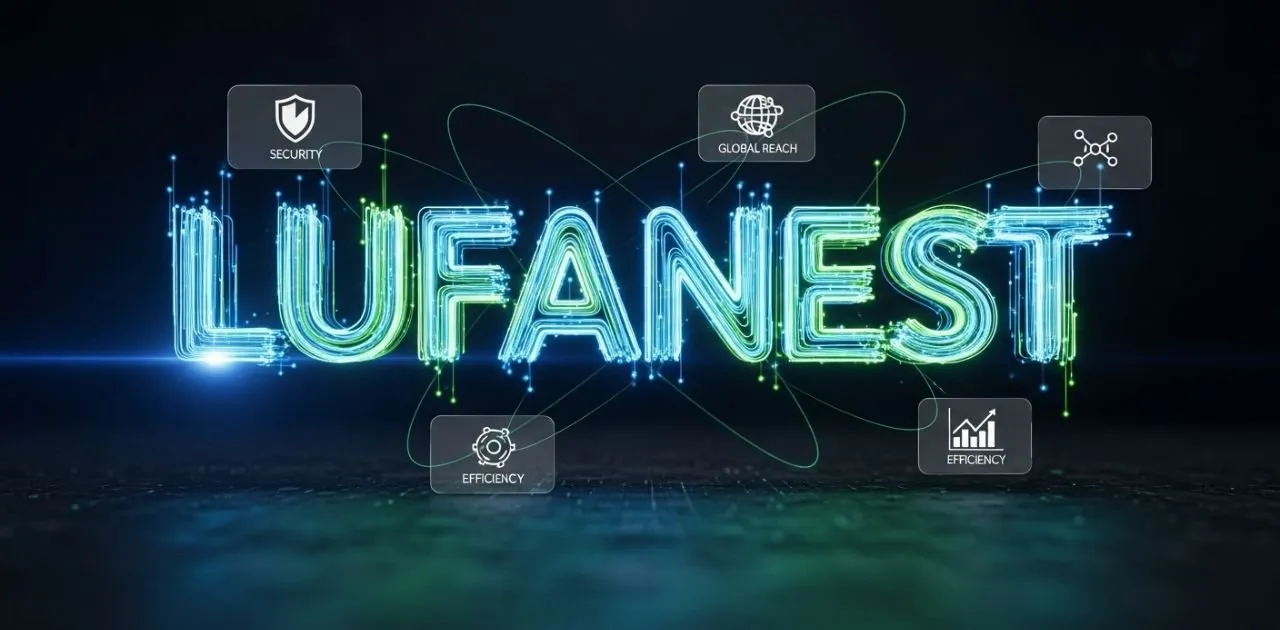
The digital economy is evolving at a pace that few industries can fully predict. Startups rise overnight, technology platforms redefine customer behavior, and businesses constantly search for smarter ways to stay competitive. In this environment, new ideas often emerge that capture broader shifts happening across the business world. Lufanest is one of those concepts beginning to attract attention among entrepreneurs, technology professionals, and digital innovators looking for more adaptive approaches to growth.
At first glance, lufanest may sound unfamiliar, but the ideas associated with it reflect some of the most important transformations shaping modern business. Companies today are no longer judged only by their products or services. They are evaluated by how effectively they integrate technology, streamline operations, and create seamless experiences for customers and teams alike.
Lufanest represents a growing philosophy centered on digital adaptability, intelligent systems, and interconnected operational design. Instead of treating business functions as isolated processes, it encourages organizations to think in terms of ecosystems where communication, automation, analytics, and customer engagement work together cohesively.
For startup founders and digital leaders, this mindset is becoming increasingly valuable because the future of business depends heavily on flexibility and operational intelligence.
Understanding the Meaning Behind Lufanest
Lufanest is best understood as a modern framework for connected digital growth. It combines principles from automation, scalable infrastructure, real-time data management, and user-focused strategy into a broader operational philosophy designed for fast-moving markets.
Traditional businesses often develop fragmented systems over time. Marketing teams rely on separate software from customer support departments, analytics remain disconnected from operations, and communication workflows become increasingly inefficient as organizations grow.
Lufanest challenges this outdated structure.
Instead of disconnected workflows, the concept encourages businesses to build integrated ecosystems where systems communicate naturally with one another. The result is improved collaboration, faster decision-making, and stronger adaptability.
This approach reflects larger trends already transforming industries, including cloud computing, artificial intelligence, remote collaboration, and decentralized operational models.
Why Lufanest Matters in Today’s Business Environment
The modern business landscape rewards organizations capable of evolving quickly. Consumer expectations shift constantly, competition expands globally, and technological disruption continues reshaping industries at unprecedented speed.
In this environment, rigid operational systems often become liabilities.
Lufanest matters because it prioritizes agility and continuous improvement rather than static efficiency alone. Businesses built around adaptable digital ecosystems can respond faster to market changes while maintaining operational stability.
For startups, this advantage is especially important. Early-stage companies often experience unpredictable growth patterns, evolving customer needs, and shifting product strategies. Flexible infrastructure allows them to scale without repeatedly rebuilding internal systems.
Established companies also benefit from this approach. Organizations facing digital transformation challenges increasingly recognize that fragmented systems reduce efficiency and slow innovation.
Lufanest offers a framework for creating more connected and responsive operational environments.
The Core Principles of Lufanest
Several foundational ideas define the lufanest philosophy and explain why it resonates with entrepreneurs and technology professionals.
Integrated Digital Ecosystems
One of the most important aspects of lufanest is integration. Businesses today depend on multiple digital tools, but disconnected systems create communication gaps and operational inefficiencies.
Lufanest encourages organizations to build ecosystems where workflows, customer data, communication systems, and analytics platforms function together seamlessly.
This integration improves organizational visibility and reduces unnecessary friction between departments.
Intelligent Automation
Automation has become essential for scaling modern businesses, but automation without strategic oversight can create poor customer experiences and operational problems.
Lufanest emphasizes intelligent automation designed to support human productivity rather than replace it entirely. Repetitive tasks such as reporting, scheduling, onboarding, and workflow management can be streamlined while preserving human judgment where necessary.
The objective is to create operational efficiency without losing flexibility or authenticity.
Scalable Infrastructure
Many businesses struggle because their systems are designed only for immediate operational needs.
Lufanest promotes scalable digital architecture capable of evolving alongside the business. Whether organizations expand into new markets, introduce additional products, or increase team size, their infrastructure should support growth without causing instability.
This scalability becomes increasingly valuable in highly competitive industries.
Real-Time Data Intelligence
Modern organizations generate enormous amounts of information daily, but raw data has limited value without interpretation and accessibility.
Lufanest encourages businesses to treat data as a real-time strategic asset rather than a passive reporting tool. Companies can monitor customer behavior, operational performance, and market trends continuously, allowing them to adapt more effectively.
This creates faster decision-making and stronger alignment across teams.
How Businesses Are Applying Lufanest Principles
Although the term lufanest is still emerging, the operational ideas connected to it are already visible across many successful companies.
Technology startups increasingly build integrated ecosystems combining cloud infrastructure, AI-driven analytics, automated workflows, and collaborative communication systems into unified operational environments. E-commerce brands use real-time inventory management, behavioral personalization, and predictive marketing automation to improve customer engagement.
Software companies are also shifting toward ecosystem-based thinking. Rather than offering isolated tools, they create interconnected platforms designed to support broader business operations.
The table below highlights the differences between traditional operational models and a lufanest-oriented approach.
| Traditional Operations | Lufanest-Oriented Operations |
|---|---|
| Disconnected software tools | Integrated digital ecosystem |
| Manual repetitive workflows | Intelligent automation |
| Delayed reporting systems | Real-time operational insights |
| Fixed infrastructure | Adaptive scalable architecture |
| Department-based silos | Cross-functional collaboration |
| Reactive decision-making | Predictive strategic planning |
These distinctions reveal why connected operational ecosystems are becoming increasingly attractive across industries.
The Role of Artificial Intelligence in Lufanest
Artificial intelligence plays a major role in enabling lufanest-style systems. AI allows organizations to process information rapidly while identifying patterns and operational opportunities that would otherwise remain unnoticed.
However, AI within the lufanest framework is not treated as a standalone feature.
Instead, it functions as part of a broader ecosystem supporting operational intelligence. Customer support systems can anticipate common issues before they escalate. Marketing platforms can personalize campaigns dynamically based on user behavior. Operational tools can optimize workflows and predict resource demands automatically.
This interconnected intelligence helps businesses become more responsive and efficient simultaneously.
Organizations that integrate AI strategically often gain advantages in customer retention, scalability, and innovation speed.
Challenges Businesses Face When Implementing Lufanest
Despite its benefits, implementing lufanest principles can present significant challenges.
One major obstacle involves legacy infrastructure. Many organizations still rely on outdated systems that were never designed for modern interoperability. Transitioning toward integrated ecosystems requires careful planning, investment, and technical expertise.
Another challenge involves organizational culture. Teams accustomed to traditional workflows may resist automation or system integration initiatives.
Cybersecurity also becomes increasingly important as digital ecosystems expand. Businesses must ensure that greater connectivity does not compromise privacy, compliance, or operational security.
There is also the danger of over-automation. Some organizations become so focused on efficiency that they neglect the human experiences customers still value deeply.
Successful lufanest implementation balances technological sophistication with meaningful human interaction.
Lufanest and the Future of Entrepreneurship
The future of entrepreneurship will likely revolve around ecosystem intelligence rather than isolated innovation.
Modern founders are no longer simply building products. They are creating interconnected operational environments where customer experience, automation, analytics, communication, and scalability function together seamlessly.
Lufanest reflects this broader transformation.
Entrepreneurs who understand how to build adaptive digital infrastructure will likely gain stronger long-term advantages. Investors increasingly favor companies capable of scaling efficiently while maintaining operational flexibility and customer satisfaction.
This shift also changes leadership itself. Founders must think strategically about automation ethics, data integration, scalability, and cross-functional collaboration from the earliest stages of growth.
Businesses that master these areas are often better equipped to navigate uncertainty and capitalize on emerging opportunities.
The Human Side of Lufanest
Although lufanest focuses heavily on technology and operational systems, its ultimate purpose remains deeply human.
Customers expect convenience, speed, personalization, and reliability. Employees need efficient communication, streamlined workflows, and tools that reduce unnecessary complexity.
Technology alone does not create meaningful growth. Businesses succeed when technology improves human experiences instead of complicating them.
Organizations embracing lufanest effectively understand this balance. They use digital ecosystems to simplify interactions, remove friction, and strengthen relationships between businesses and the people they serve.
That human-centered perspective may become one of the defining characteristics of successful organizations in the coming decade.
Conclusion
Lufanest represents a modern approach to digital growth built around integration, adaptability, and intelligent operational design. As industries become increasingly connected and customer expectations continue rising, fragmented systems and rigid workflows are becoming unsustainable.
The principles associated with lufanest encourage businesses to create scalable ecosystems where automation, analytics, communication, and customer engagement work together seamlessly. This interconnected structure improves agility, strengthens resilience, and supports long-term innovation.
For startup founders, entrepreneurs, and technology professionals, understanding lufanest is not simply about following another digital trend. It is about preparing for a future where operational intelligence and connected ecosystems define competitive success.
Businesses that embrace these ideas today may ultimately become the organizations leading the next era of digital transformation tomorrow.
-

 Blog3 months ago
HHKTHK: Decoding Digital Noise and Strategic Signals in Modern Tech
-

 Blog3 months ago
Simbramento: A New Strategic Model for Scalable Digital Growth
-

 Blog3 months ago
Lollitip: How Innovative Design is Transforming Consumer Experience
-

 Blog3 months ago
Calesshop: Redefining Digital Commerce for Modern Entrepreneurs
-

 Blog3 months ago
From Blog PlayBattleSquare: How Competitive Gaming Platforms Are Shaping the Future of Digital Communities
-
 Blog3 months ago
hellooworl: The Mindset Behind Building What the World Hasn’t Seen Yet
-

 Blog3 months ago
Babybelletje: Designing Micro-Connection Moments in a Hyper-Digital World
-

 Blog3 months ago
Kovových Innovation: Why Advanced Metal Engineering Is Powering the Next Industrial Wave